
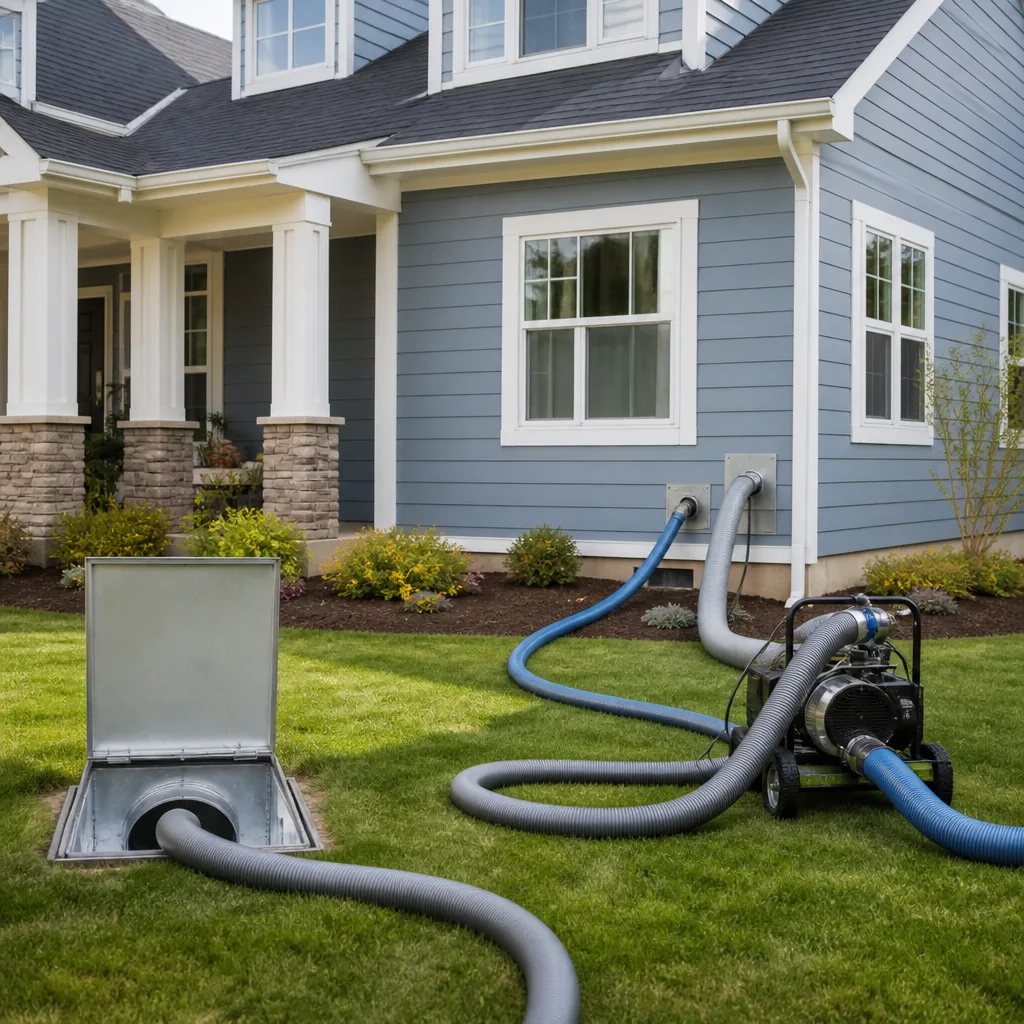
 Whole-home duct cleaning
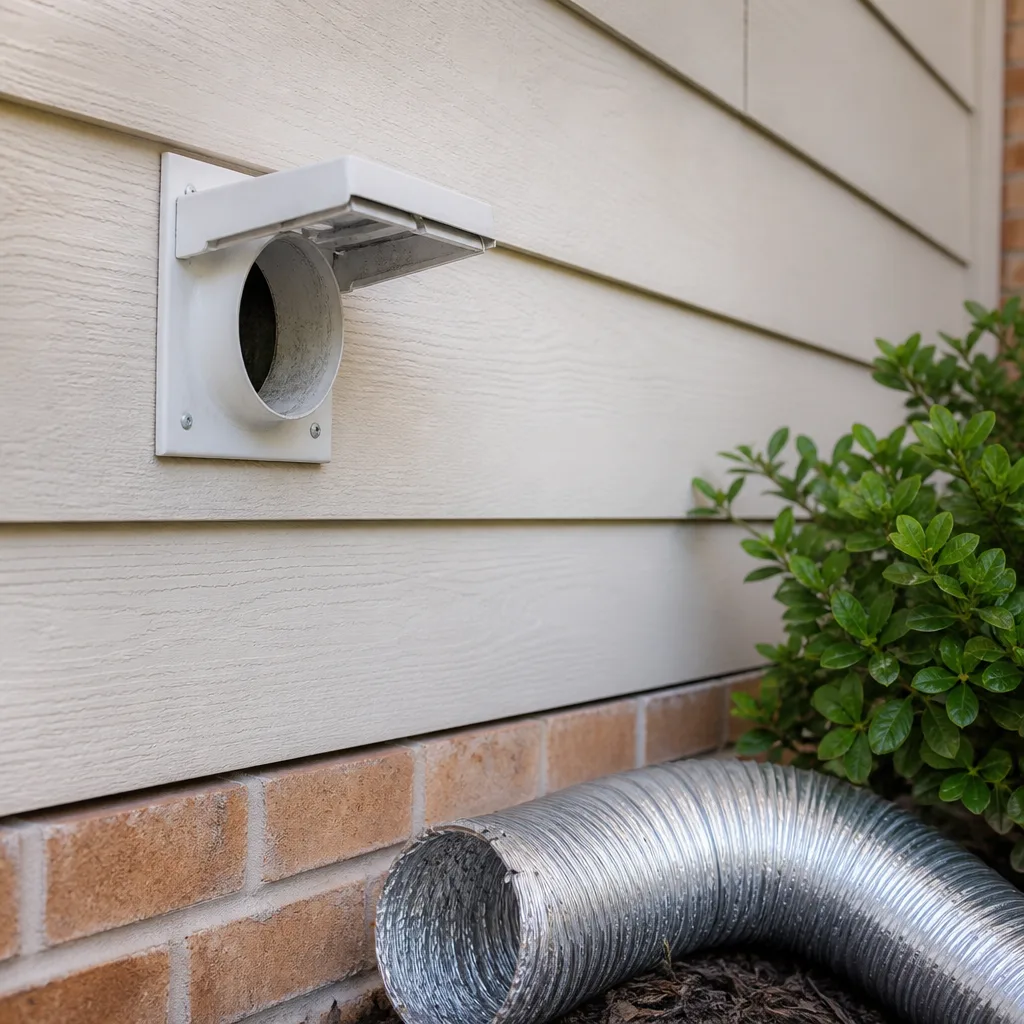 Dryer vent cleaning
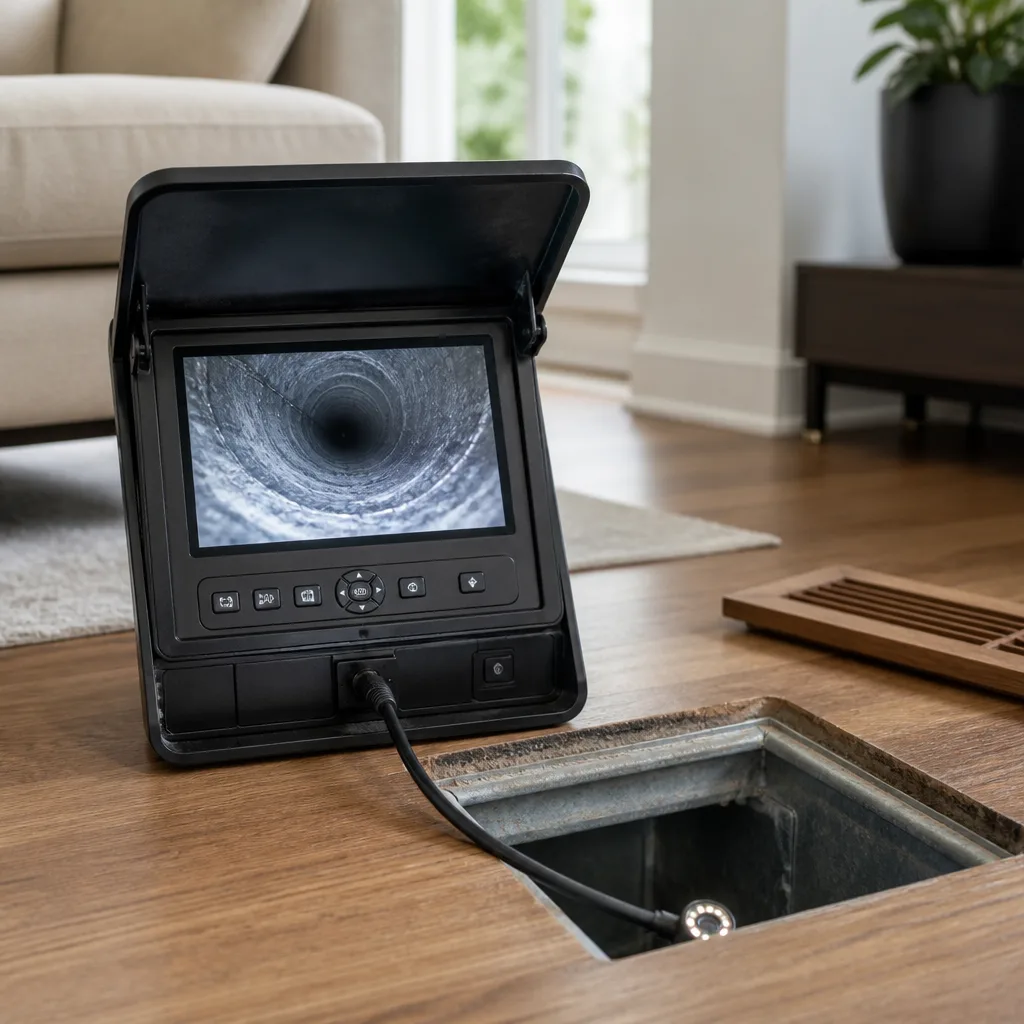 Camera inspection
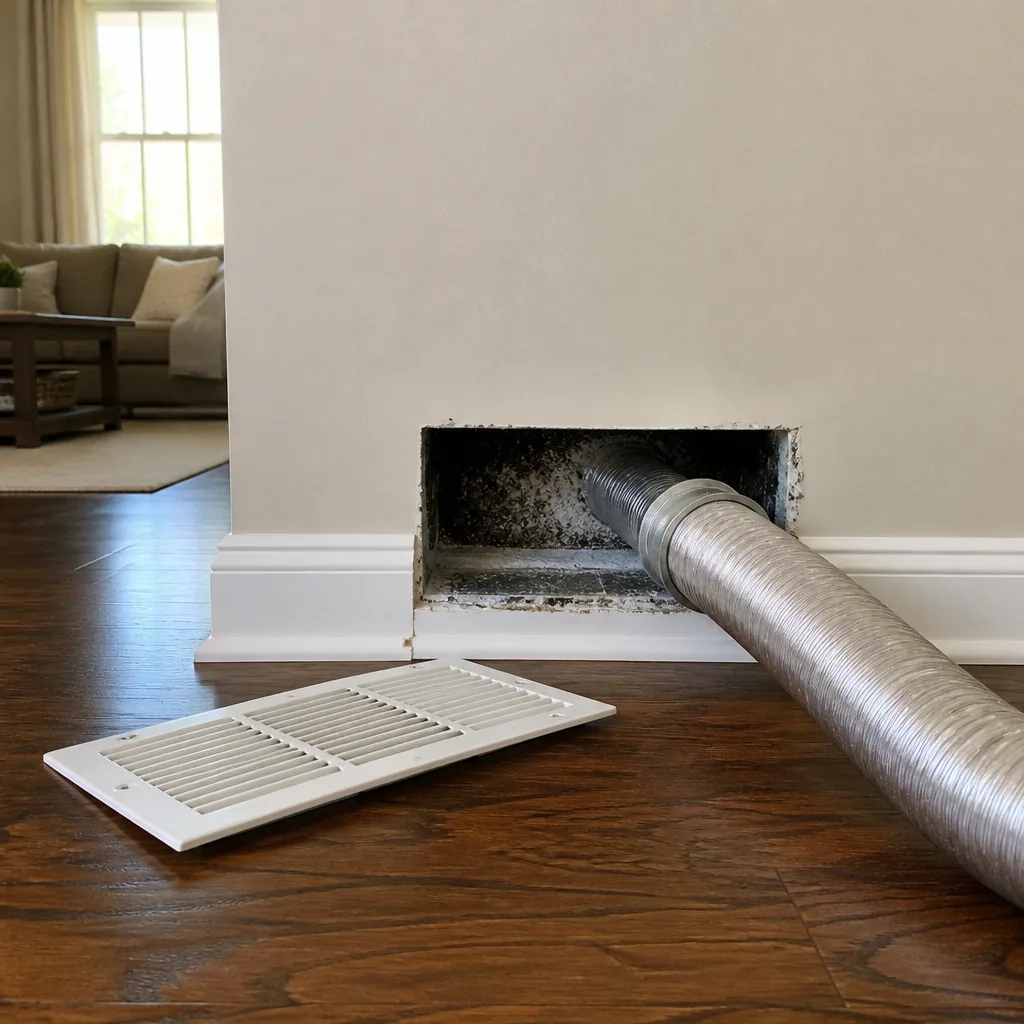 Sanitizing & deodorizing
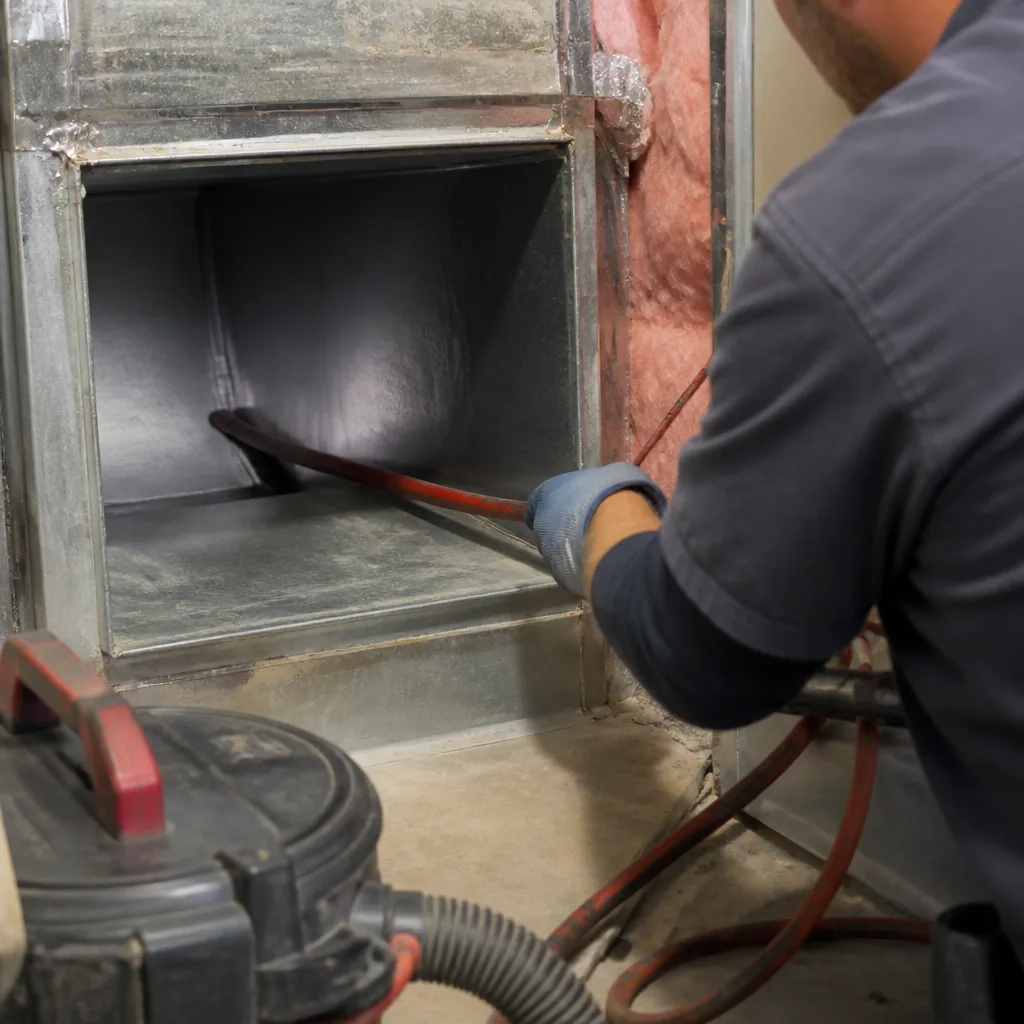
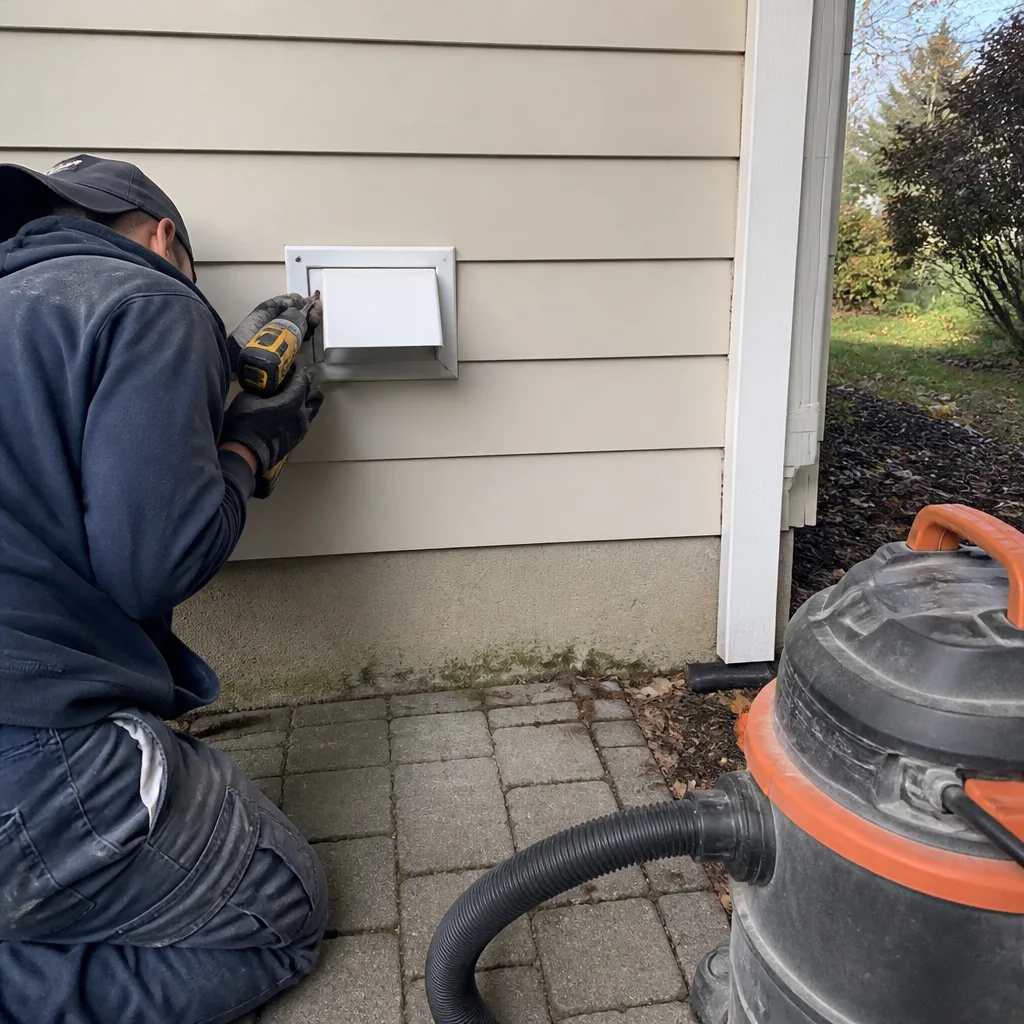
Whole-system duct and dryer vent check with before-and-after photos - you see exactly what came out of your vents
That "$99 whole-house special" is a bait ad - the real number appears once they are in your hallway, or the "clean" is a shop-vac at the register. We photograph the inside of your ducts before and after instead.
Honeywell Coil Cleaning: The New York Owner’s Guide
We stock and install Honeywell-compatible coil cleaning parts across New York, with most whole-system coil cleaning jobs running between $350 and $700 depending on access and how badly the coil is fouled. If your Honeywell system is short-cycling, icing up, or pushing out air that smells like wet socks, the coil is usually the culprit. Here’s what New York homeowners need to know before they spend a dollar.
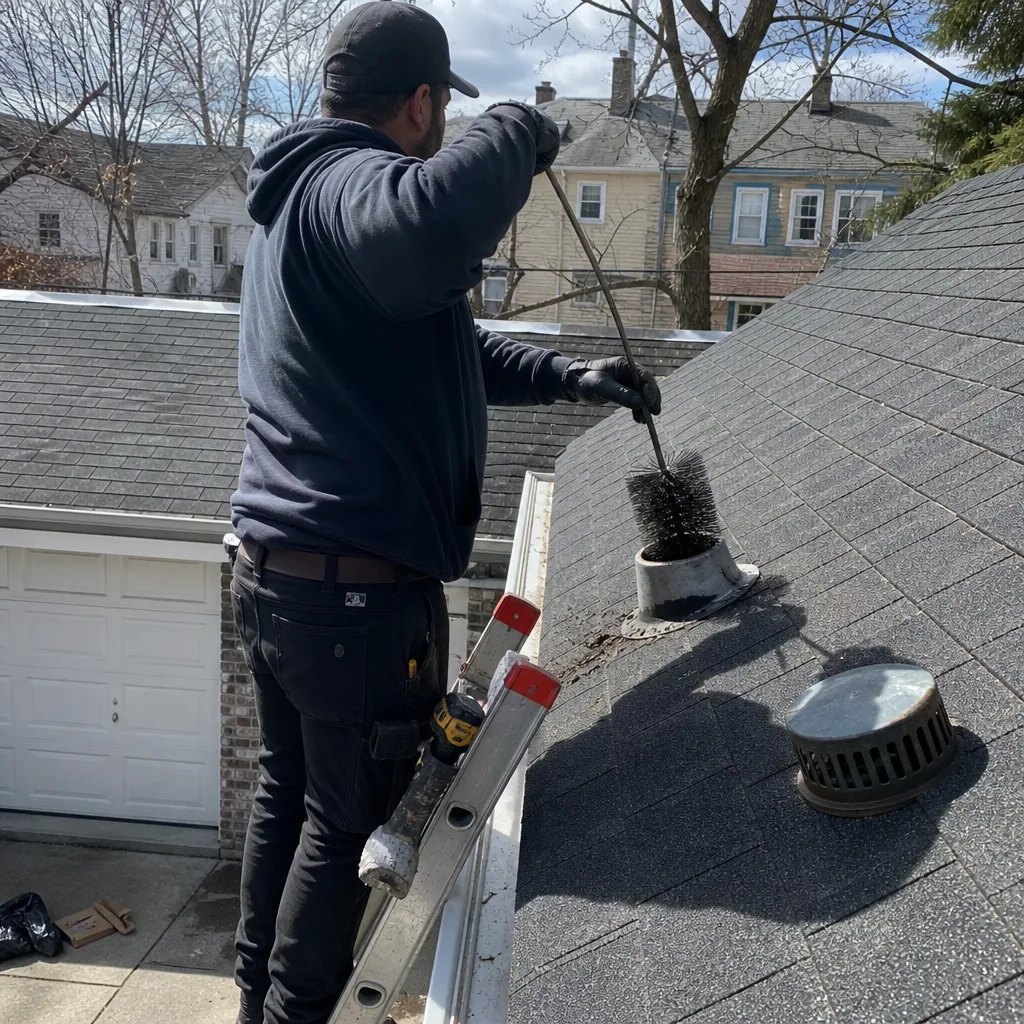
Most people discover a coil problem the hard way: the AC runs constantly in July, the electric bill jumps, and the air coming from the registers never quite gets cold. In New York’s humidity, evaporator coils collect a paste of dust and moisture that bakes on over a season or two. By the time you notice, that coil is working maybe 60 percent as well as it did when it was new. The good news is that a properly cleaned coil usually outperforms a replacement, and that’s where we start.
Which Honeywell Models This Applies To
Honeywell doesn’t manufacture evaporator coils directly the way Carrier or Trane do. Instead, Honeywell-branded indoor air quality components, thermostats, and zone controls are paired with coils from major manufacturers in split systems across New York homes. When we clean a Honeywell-controlled system, the coil itself may be a Carrier, Lennox, or Trane coil married to Honeywell controls and an air handler. That’s the compatibility gotcha most homeowners and even some techs miss: the problem usually isn’t the Honeywell control, it’s the coil downstream of it that’s starving for airflow.
We match the cleaning approach to the specific coil type: slab coils, A-coils, and N-coils all sit differently in the air handler and need different access strategies. If you can find the model sticker on the coil cabinet, great. If not, we identify it by physical dimensions and fin spacing on-site. For OEM versus aftermarket, the honest answer is that coil cleaning isn’t really a parts-swap situation. We clean the coil you have. If it’s beyond cleaning, which happens when fins are corroded or the coil is leaking refrigerant, we’ll tell you that in plain terms and write up what you actually need before any work is done.
Styles & brands we work with
Signs Your Honeywell Coil Cleaning Is Failing
These are the five symptoms we see most often on Honeywell-controlled systems in New York homes, and what each one actually means:
- Reduced cooling but the compressor runs nonstop. The coil is insulated by a layer of grime, so the refrigerant can’t absorb heat from the air. The system keeps running because the thermostat never satisfies, and your July ConEd bill tells the story.
- Ice forming on the copper lines outside or the coil itself. A dirty coil drops the refrigerant temperature below freezing. Ice builds up, blocks airflow further, and the system spirals. Left alone, liquid refrigerant can wash back into the compressor and destroy it.
- Musty or sour smell from the registers when the blower runs. Antimicrobial residue, dead skin, and New York summer humidity all collect on the coil. That smell is a biofilm colony growing on the wet coil surface.
- Water dripping or staining around the air handler. A fouled coil blocks airflow and can freeze, then the thaw floods the drain pan faster than the line can carry it away. In New York apartments, that water ends up on the floor below.
- The area around the supply registers stays warm while the filter is clean. You changed the filter, the blower spins fine, but the air coming out never drops below 68 degrees. That’s classic coil inefficiency.
See the difference
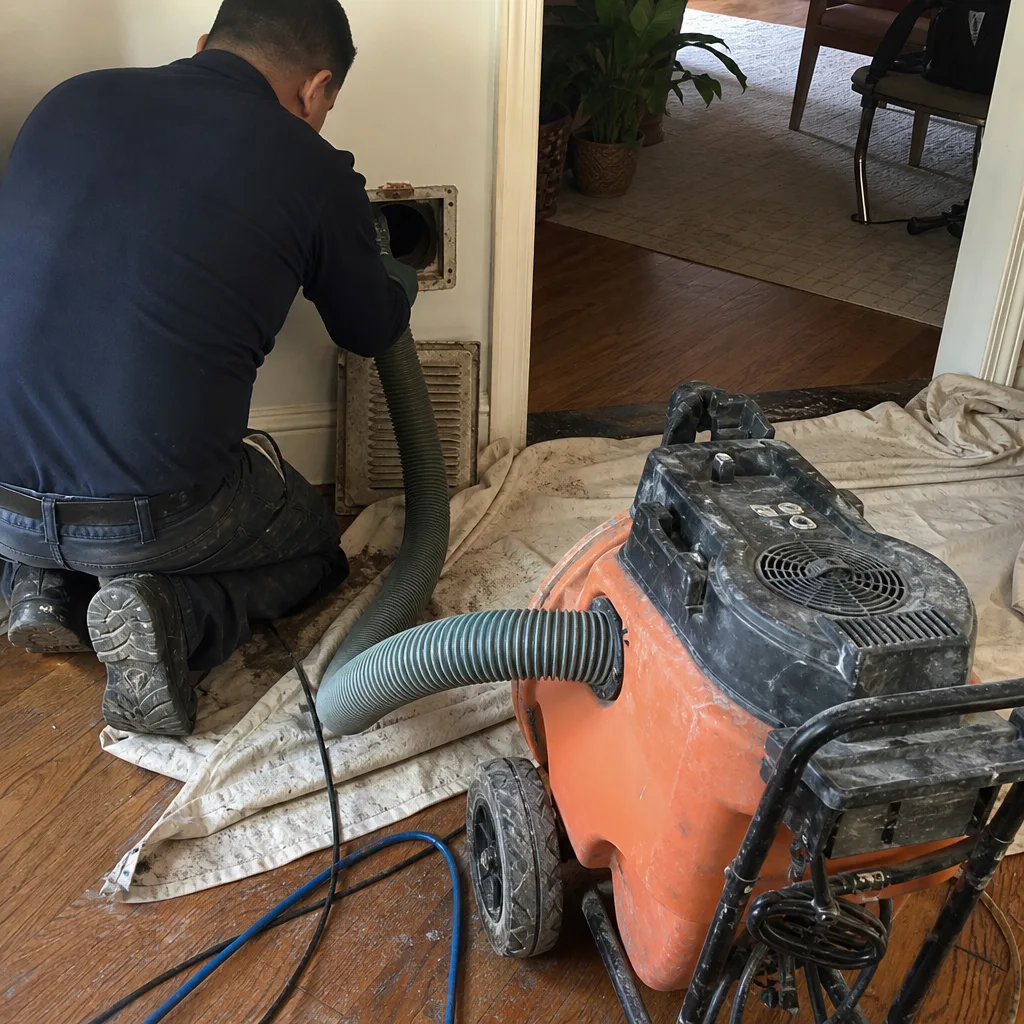 Before
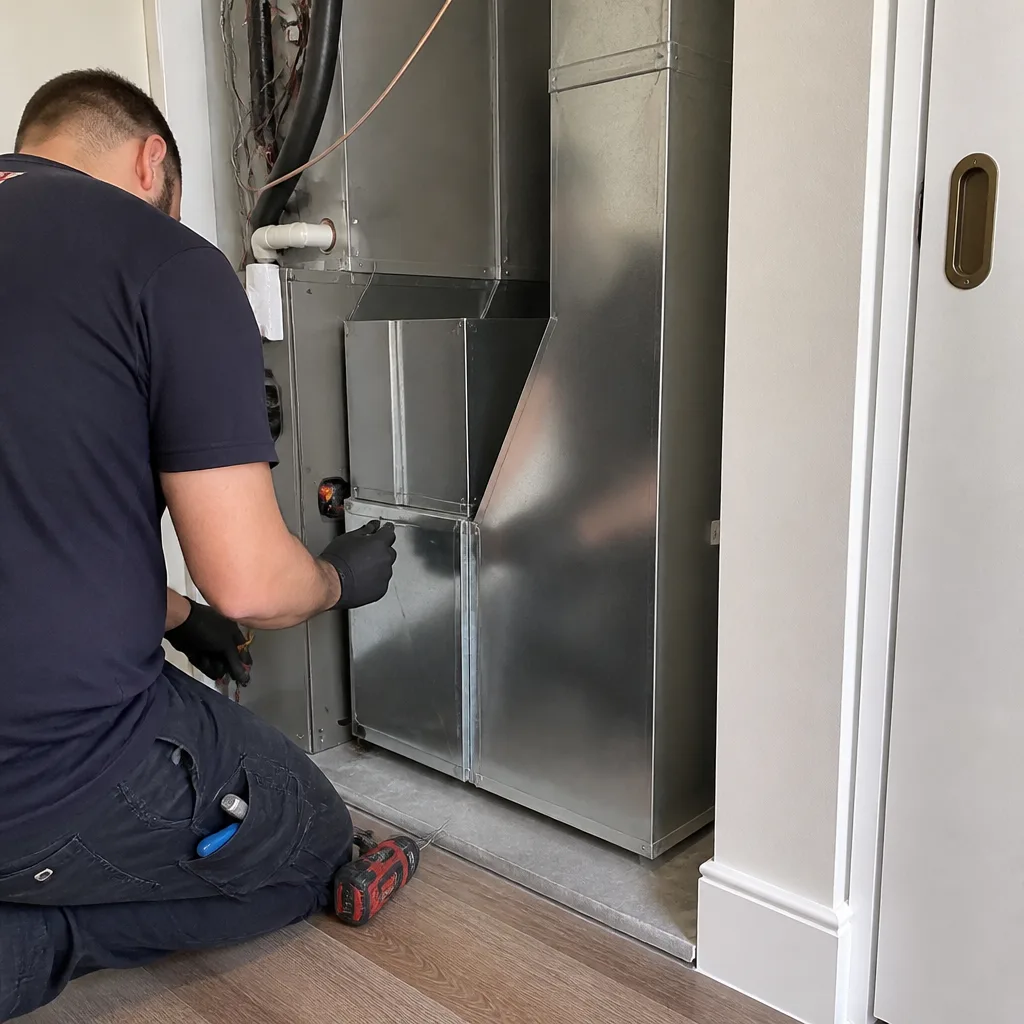 After
After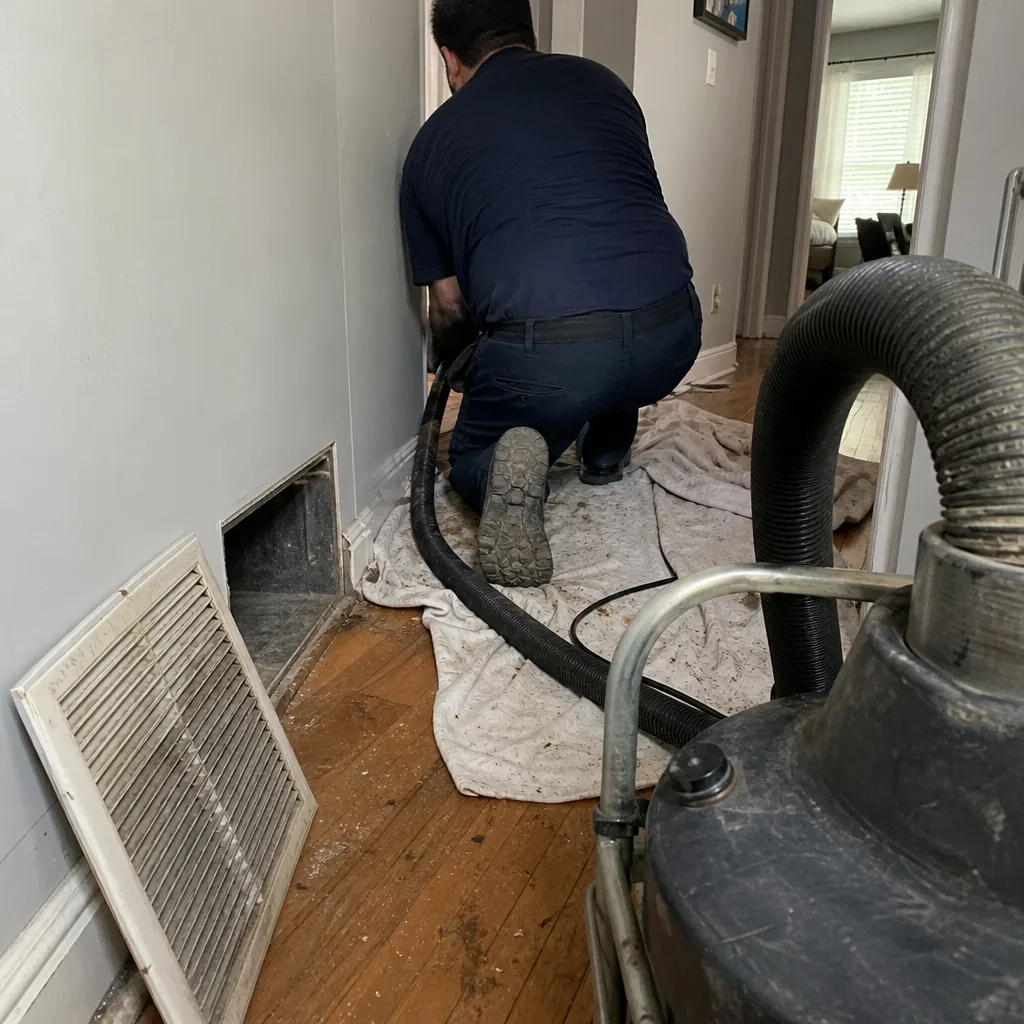 Before
 After
After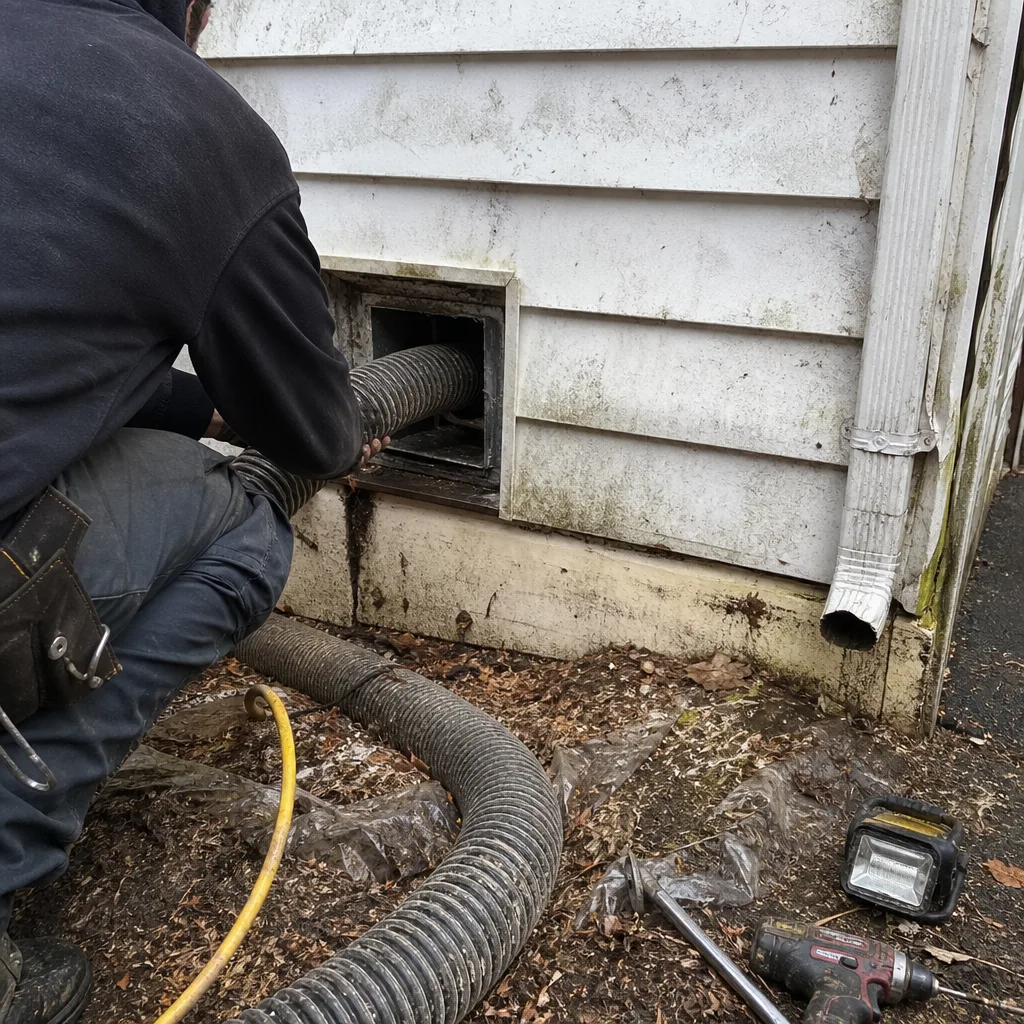 Before
 After
AfterReplacement Cost & What’s Included
For a Honeywell-controlled system in New York, a full coil cleaning typically runs $350 to $700 on a residential system. The range depends on how accessible the coil is: a walk-in basement air handler is the easy end, while a ceiling-mounted unit in a co-op with tight clearance runs higher. Here’s the breakdown:
- Basic coil cleaning (easy access): $350 – $450
- Standard coil cleaning (moderate access, light fouling): $450 – $550
- Heavy fouling or difficult access: $550 – $700
Every job includes removing the access panel, applying commercial-grade coil cleaner, rinsing with low pressure so the fins don’t bend, and clearing the drain line so the coil doesn’t re-foul from standing water. The written price is in your hands before we touch a single screw, and if the coil re-fouls within the 365-Day Done Right Promise period, we come back and make it right at no charge. That’s the Kingswell Guarantee, and it’s been our standard since 2004.
DIY or Call Us?
What you can safely do is simple: change your filter monthly when the system runs hard, keep the area around the air handler clean, and pour a cup of white vinegar down the condensate drain line every spring to slow the sludge. What goes wrong with DIY coil cleaning is usually the fins. A stiff brush or even a strong garden hose at the wrong angle flattens the delicate aluminum fins, and that kills airflow permanently. Once the fins fold over, the coil can’t transfer heat, and you’re looking at a replacement instead of a cleaning.
Coil cleaning chemicals are also caustic. The foaming sprays at the hardware store work on mildly dirty coils but can’t touch the baked-on paste we see in New York systems that haven’t been touched in five years. Our techs use professional-grade cleaners and low-pressure rinsing that preserves fin geometry. If the coil is in a tight cabinet or you’re not sure how the panel comes off, call (585) 517-2324 and Dale Whitmore or one of our techs will walk you through what we’d check first.
FAQs
With clean filters and a clear drain line, a properly cleaned coil stays efficient for 2 to 3 years in New York conditions. Homes with pets, high occupancy, or nearby construction may need it more often. We’ll give you an honest interval recommendation after we see the coil, not a boilerplate schedule.
Almost always, yes. Cleaning restores performance in most cases. Replacement only makes sense when the coil is physically damaged, leaking refrigerant, or the fins are corroded beyond saving. We’ll show you the coil and explain exactly what we found before recommending one path or the other.
Most residential coil cleaning jobs run 90 minutes to 3 hours depending on access and how heavy the buildup is. We give you a defined arrival window, show up in it, and leave a written summary of the work when we’re done.
Our trucks carry commercial coil cleaners, fin combs, and drain line tools made for Honeywell-controlled systems and the Carrier, Lennox, and Trane coils they’re commonly paired with. If your coil needs a replacement part beyond cleaning, we’ll source it and quote the installed price before ordering anything.
If your Honeywell-controlled system isn’t cooling like it should, call (585) 517-2324 for a free estimate. Dale Whitmore and our team serve New York and the surrounding areas with the same written-price standard we’ve held since 2004.
Written by Dale Whitmore, Owner, Kestrel Air Duct New York at Kestrel Air Duct New York, serving New York and nearby areas.