
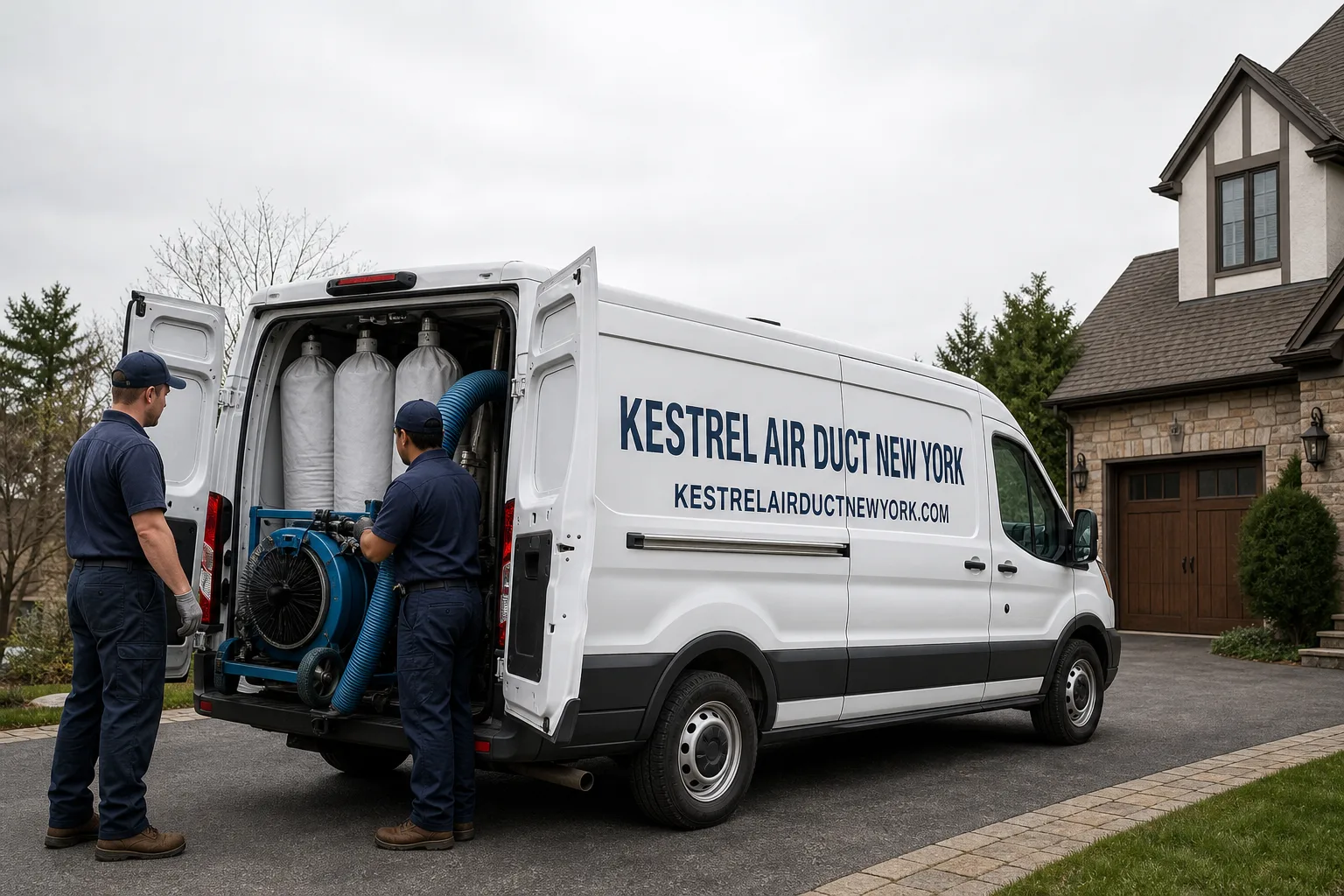
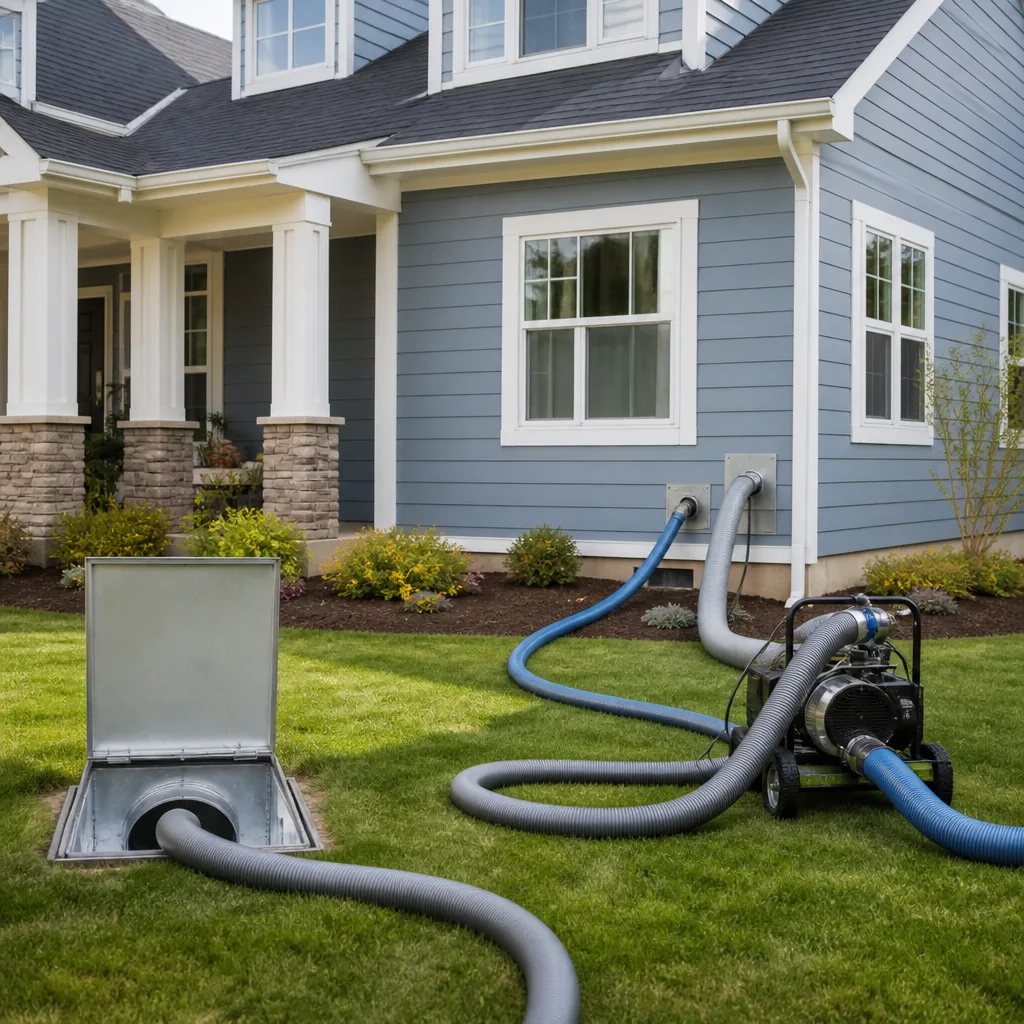
 Whole-home duct cleaning
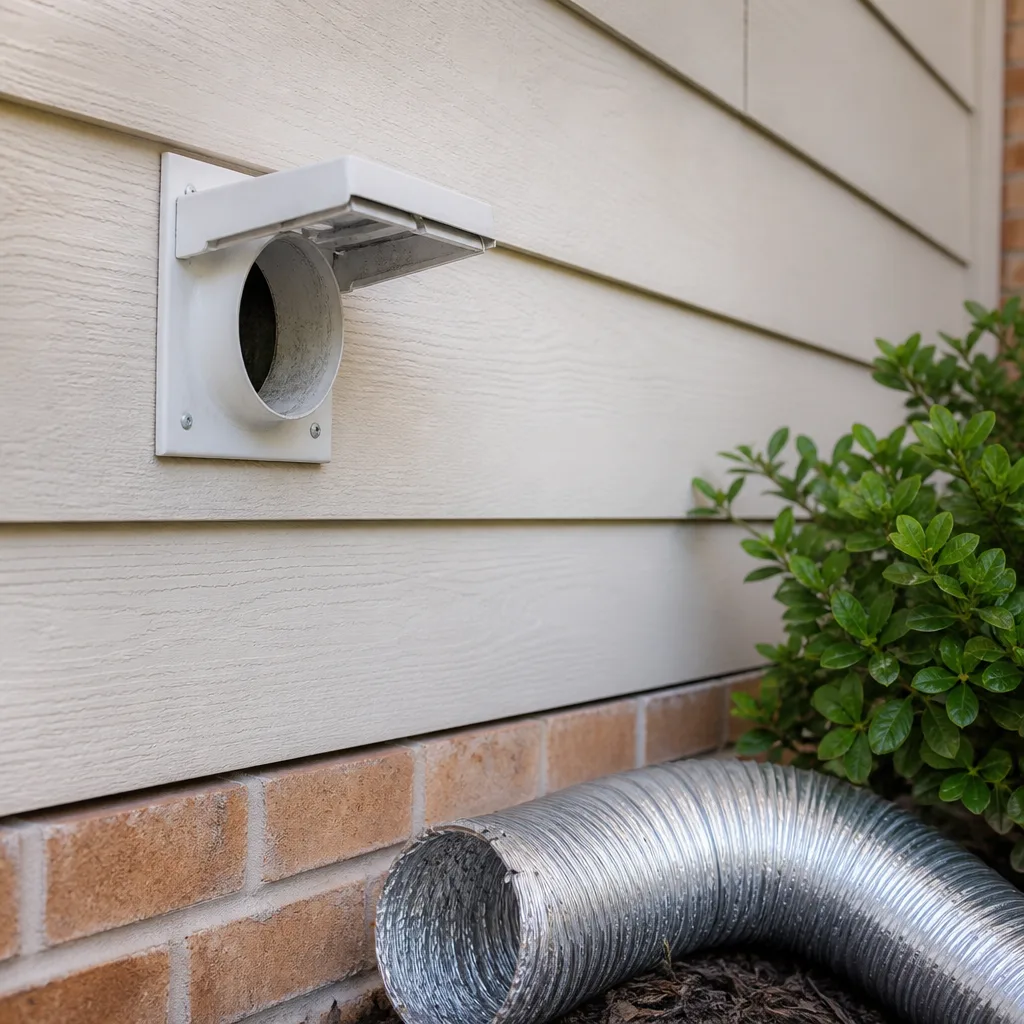 Dryer vent cleaning
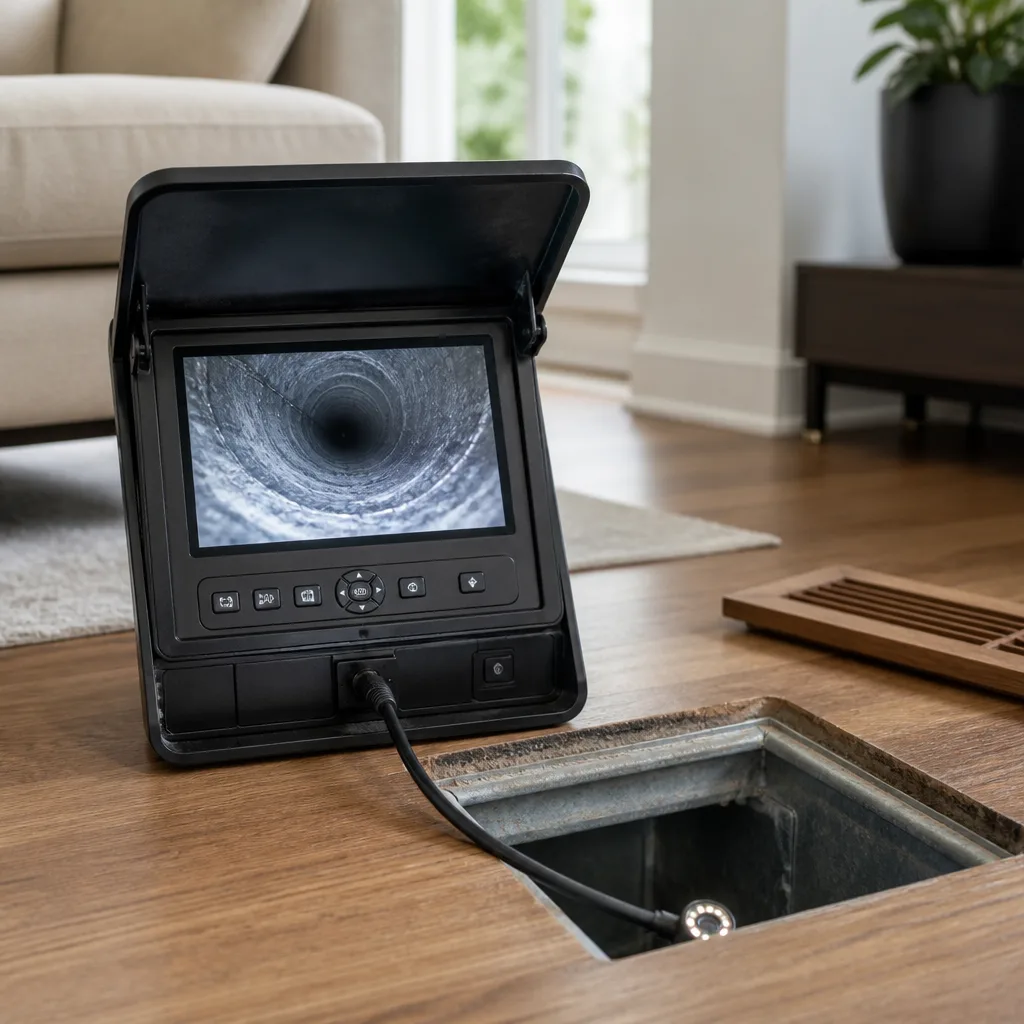 Camera inspection
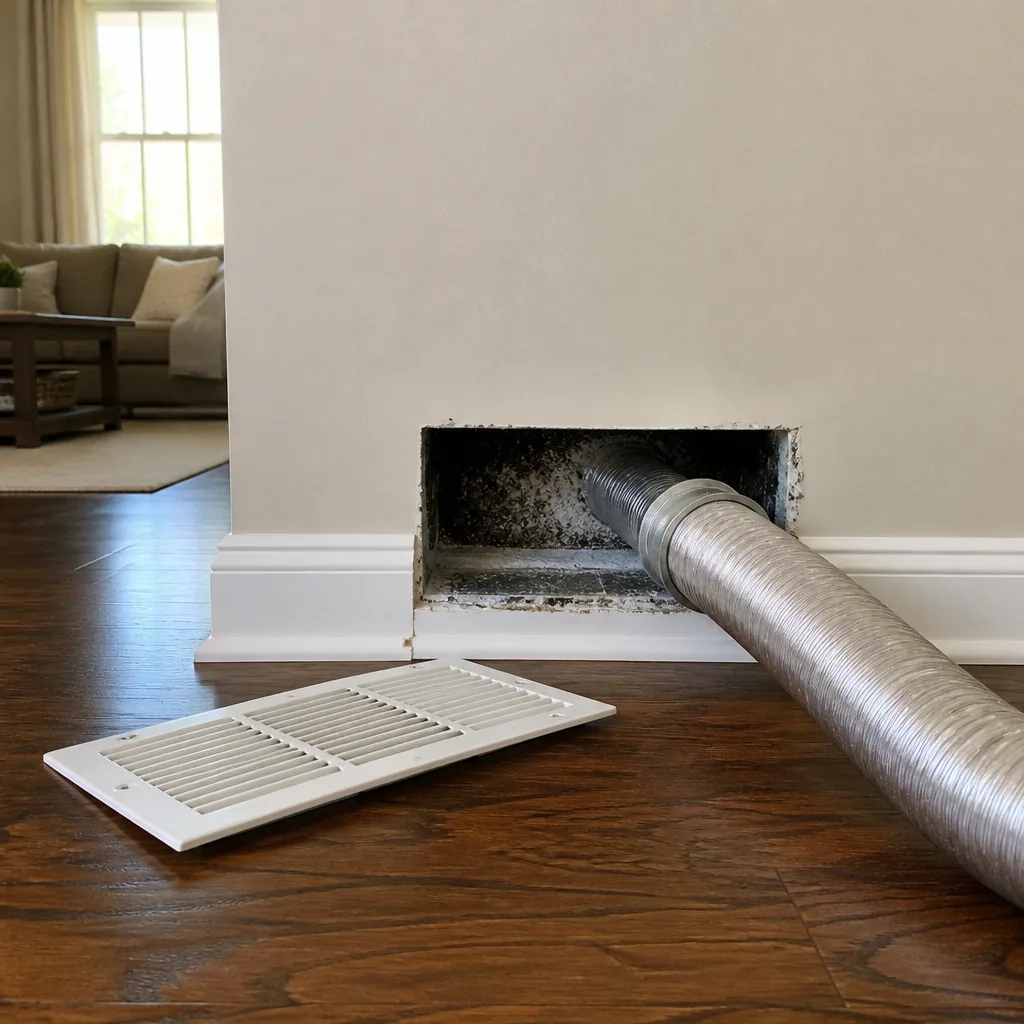 Sanitizing & deodorizing
Whole-system duct and dryer vent check with before-and-after photos - you see exactly what came out of your vents
That "$99 whole-house special" is a bait ad - the real number appears once they are in your hallway, or the "clean" is a shop-vac at the register. We photograph the inside of your ducts before and after instead.
Air Duct Cleaning in Financial District, NY: The Honest Local Guide
If you live in the Financial District and your HVAC smells musty every summer, it’s probably not just the East River humidity. Air duct cleaning in Financial District runs between $430 and $680 for a typical one-to-two bedroom condo using NADCA-compliant source removal methods, and the specific challenge here is older cast-iron duct chases that standard rotary brushes simply can’t navigate. That’s not a reason to settle for fogging or positive-pressure blow-and-go. It’s a reason to hire a crew that knows the buildings.
We’re Kestrel Air Duct New York, part of the Kingswell family of companies founded in 2004. Dale Whitmore leads our team. Call (585) 517-2324 for a free estimate with a written price before any work begins.
Fast, Reliable Air Duct Cleaning Across Financial District
Our techs know the FiDi buildings, from the Water Street office towers to the pre-war conversions on Pearl and Front Streets. When you call, a live person answers right away, not a voicemail queue. We schedule a defined arrival window, show up in a Kestrel uniform, and give you the written price before a single vent is touched. No door-step revisions. No surprise line items.
Many Financial District homes are in buildings with centralized HVAC serving multiple units, which means the ductwork in your walls was probably designed for a different era. Original cast-iron riser ducts and narrow internal chases are common here, and a tech without the right access tools will spend two hours cleaning the first four feet of register and call it done. We don’t do that. We bring custom flange adapters, extended agitation tools, and portable access equipment built for tight mechanical closets and historic masonry shafts.
If you need Air Duct Cleaning done right in a building built before 1940, our approach is different from what a big franchise will offer. That’s the point.
Styles & brands we work with
Why Kestrel Air Duct New York Is Financial District’s Preferred Air Duct Cleaning Company
We didn’t buy our way into the Financial District market. We earned it one cast-iron duct chase at a time. Buildings here ask more of a cleaning crew than a modern high-rise ever will, and residents notice when a tech actually gets the biofilm out instead of fogging over it.
Our reputation in Financial District comes from jobs where a condo association or building super called us after another company walked away. Limited access panels, original duct runs with 90-degree bends every few feet, salt-corroded blower housings, microbial staining in return ducts: these are normal working conditions for us at addresses near the New York Stock Exchange and South Street Seaport. A Kestrel tech arrives with Rotobrush rotary brushes for the sections we can reach and extended hand-fed agitation tools for the sections a box-store shop vac can’t touch. We also run Nikro negative-pressure units so loosened debris moves out of your unit, not into your neighbor’s.
Every job carries the 365-Day Done Right Promise in writing. If the work falls short within the guarantee period, we come back and make it right at no charge. That’s the Kingswell Guarantee, and it applies to every visit in the Financial District, same as anywhere else we serve.
Air Duct Inspection in Financial District
Air Duct Inspection in Financial District homes is the first step when you can’t see what’s actually happening behind your supply grilles and return registers. Since so many buildings here run centralized HVAC through original duct chases, the inside of your ducts is anyone’s guess until we put a camera in. An inspection runs $95 to $160 and includes a video walkthrough of your supply and return lines, a visual check of the air handler for salt corrosion and microbial growth, and a plain-English summary of what we found.
When should you schedule one? After a renovation in your building, when a neighbor’s unit had a mold issue, or when summer humidity makes the musty smell stronger. Salt-laden air accelerates corrosion on blower motor housings and duct seams, which can loosen fine metal dust into your airstream over time. That’s a Financial District-specific problem you won’t hear about from a generic cleaning chain.
What We Look For in Financial District Buildings
The first thing we check is whether your building’s access panels were installed in the 1920s or in 2005. Older buildings often have six-inch panels where modern equipment expects ten. We check for that up front so we know what tools to bring.
Video Inspection and Honest Findings
Within 24 hours you’ll have a written report. If your ducts are clean, we say so. We don’t invent problems to sell a cleaning you don’t need. If we do find biofilm or debris, you’ll see the frames from the camera and know exactly why we’re recommending source removal.
Residential Air Duct Cleaning in Financial District
Residential Air Duct Cleaning in Financial District condos and co-ops is the core of what we do. A one-bedroom conversion with six to eight registers usually runs $430 to $520. A larger two-to-three-bedroom unit with multiple return points and longer duct runs falls between $540 and $680. If your building has unusually long runs from a ground-floor mechanical room to upper-floor units, the final price may push higher, but you’ll see it in writing before work starts.
Cleaning involves negative-air extraction, which means we pull a vacuum on the entire duct run while agitating the walls to dislodge dust, skin cells, pet dander, and the fine salt-and-dust sediment that accumulates in coastal buildings. We use Rotobrush rotary brush systems where the duct size allows, and hand-fed extended tools where the cast-iron sections are too narrow. The debris leaves through a sealed HEPA-filtered exhaust, not out your registers.
Supply Duct Cleaning in Condo Conversions
Supply ducts carry conditioned air from the building’s central plant into your unit. In Financial District office-to-residential conversions, those supply runs are often original to the 1920s or 1930s and lined with years of construction dust, old insulation fibers, and in too many cases, microbial growth from decades of coastal humidity. We clean what’s reachable, document what isn’t, and tell you the difference.
Return Duct and Air Handler Cleaning
The return side is where moisture collects and where biofilm forms fastest in humid salt-air buildings. We remove loose debris and biological growth using mechanical agitation and HEPA-filtered negative pressure. If your air handler shows salt corrosion on the blower housing, we’ll point it out and tell you whether it affects airflow or can be left as-is.
Trusted Brands We Service in Financial District
Every brand of ducted HVAC lives in Financial District, from older Carrier and Trane central plants to newer Mitsubishi and Daikin systems in luxury high-rises. We service them all, and our equipment is professional grade: Rotobrush rotary systems for deep agitation, Nikro negative-pressure extraction units, and Abatement Technologies HEPA filtration so loosened particles never enter your living space. For residents who want ongoing filtration between visits, we stock Honeywell and Aprilaire filters, including the MERV 13 upgrades that make a real difference near the water.
See the difference
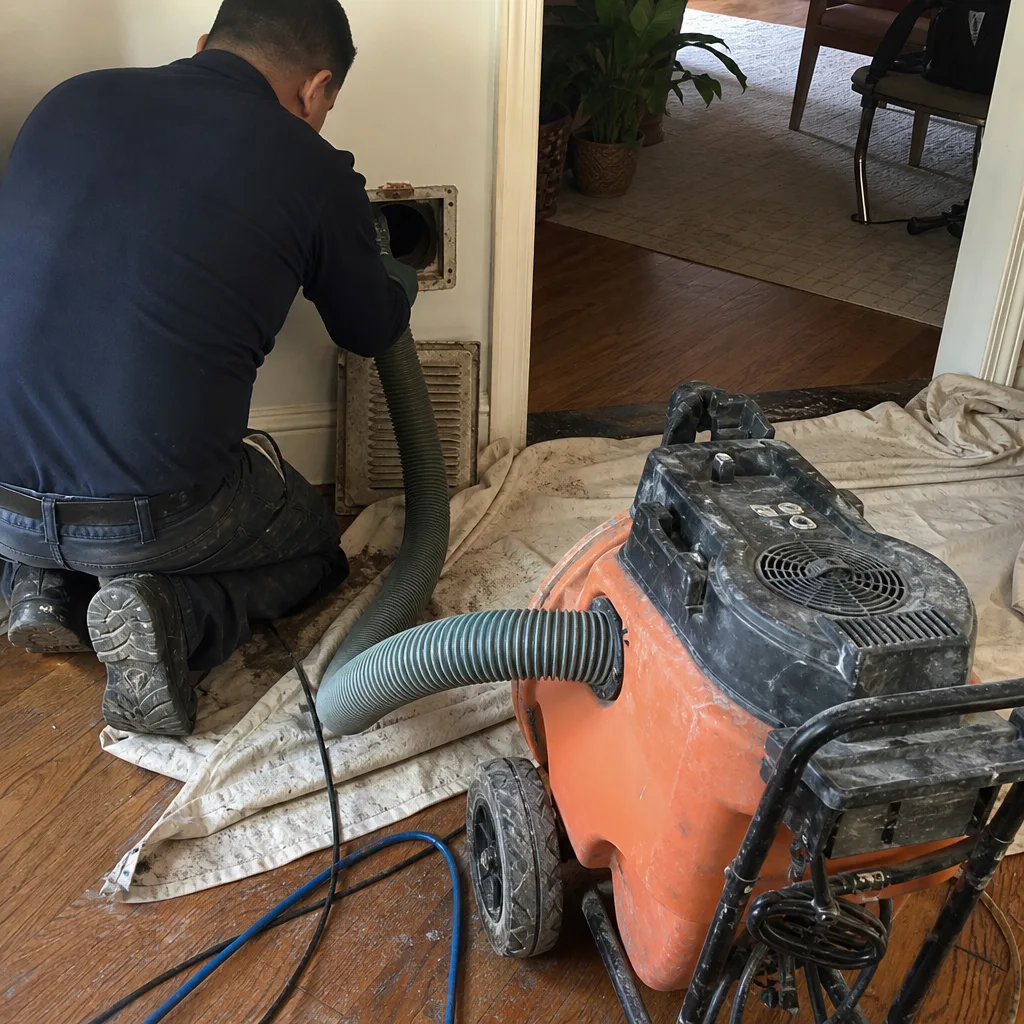 Before
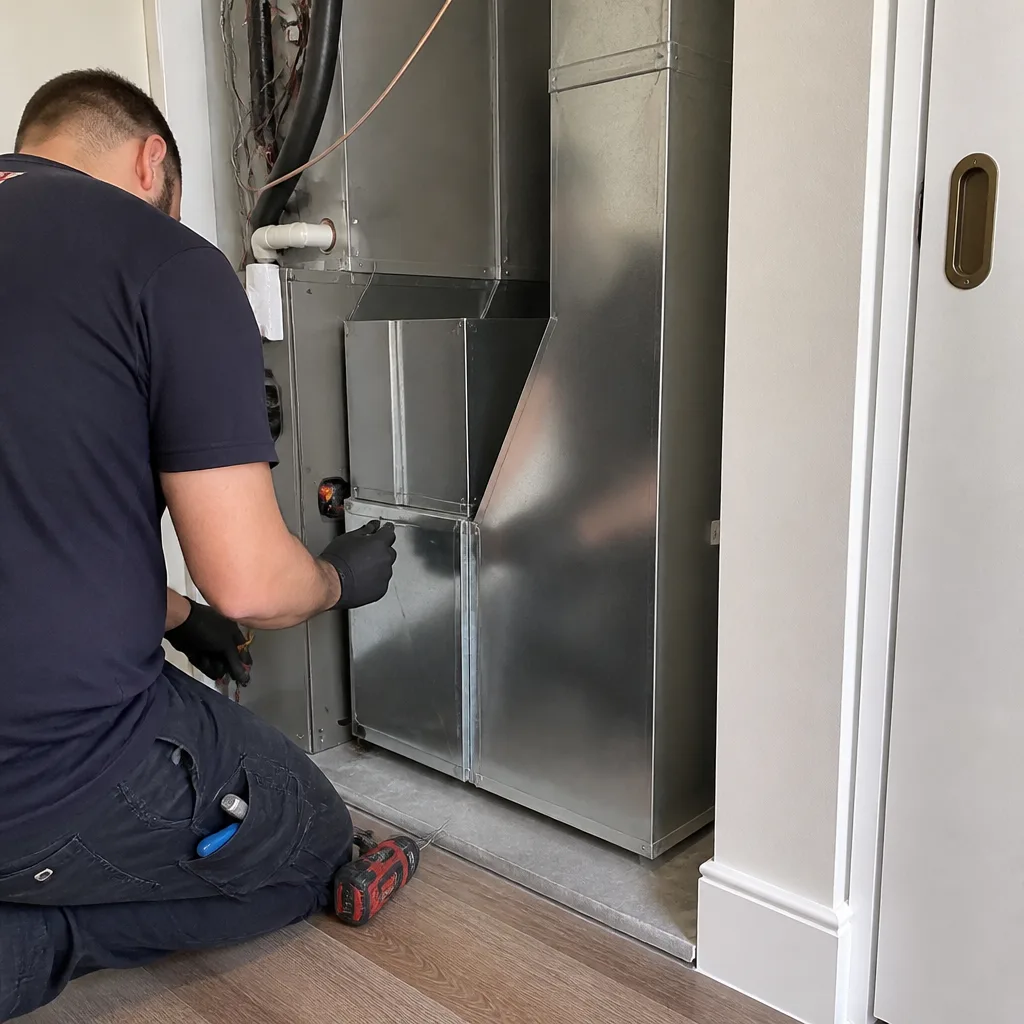 After
After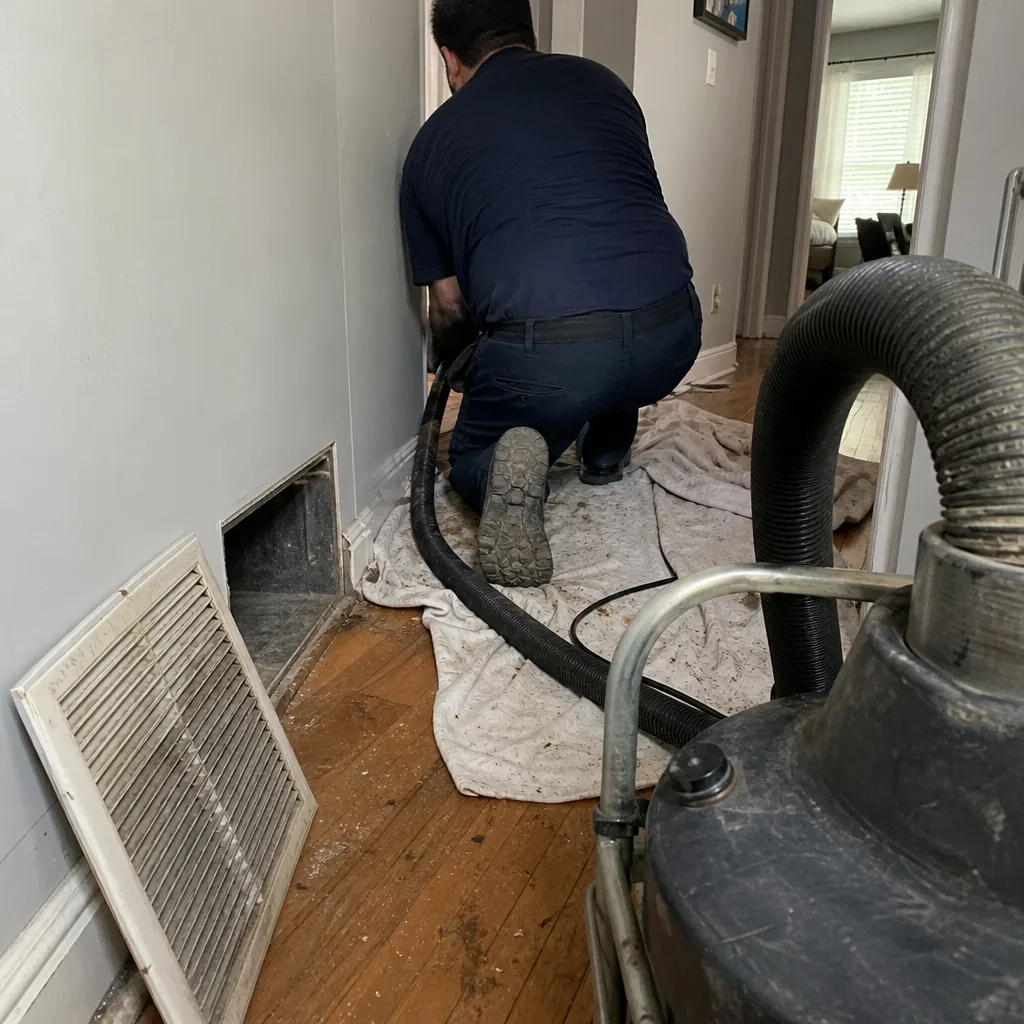 Before
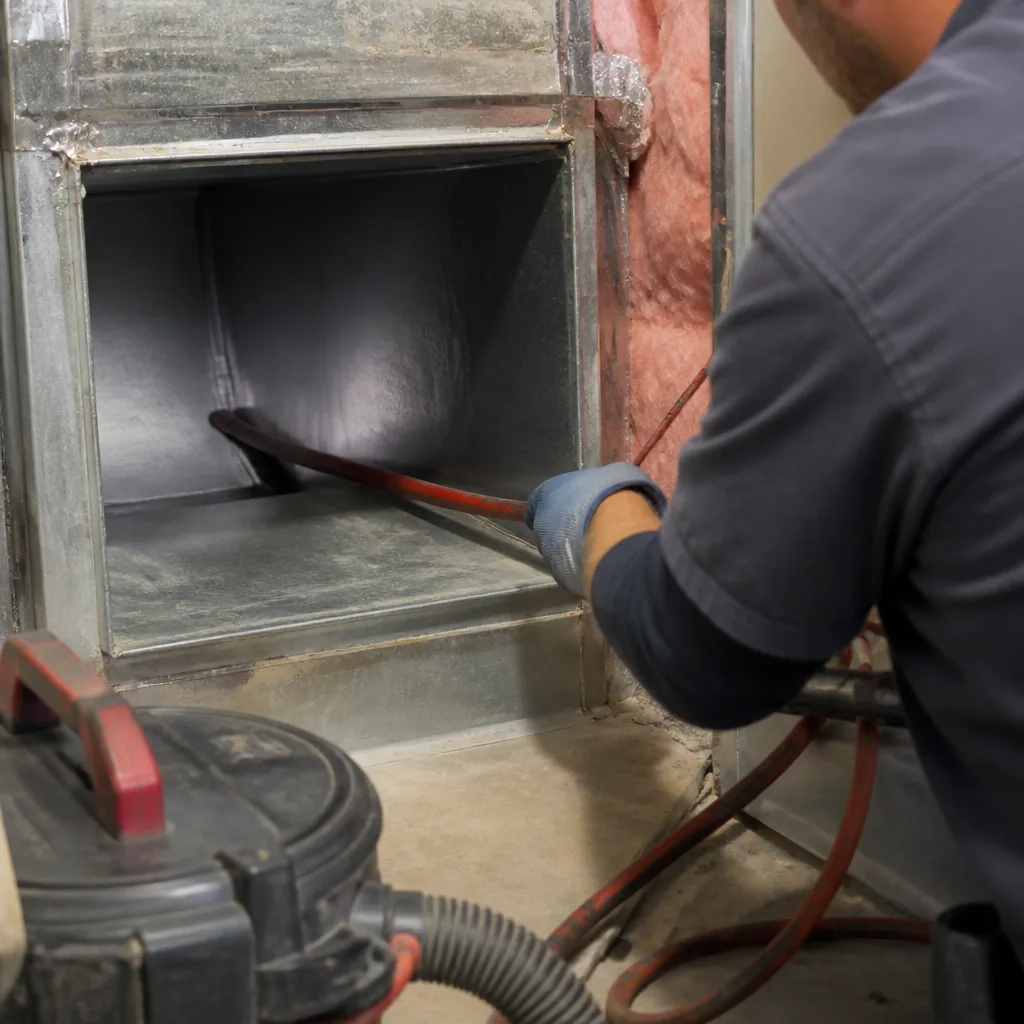 After
After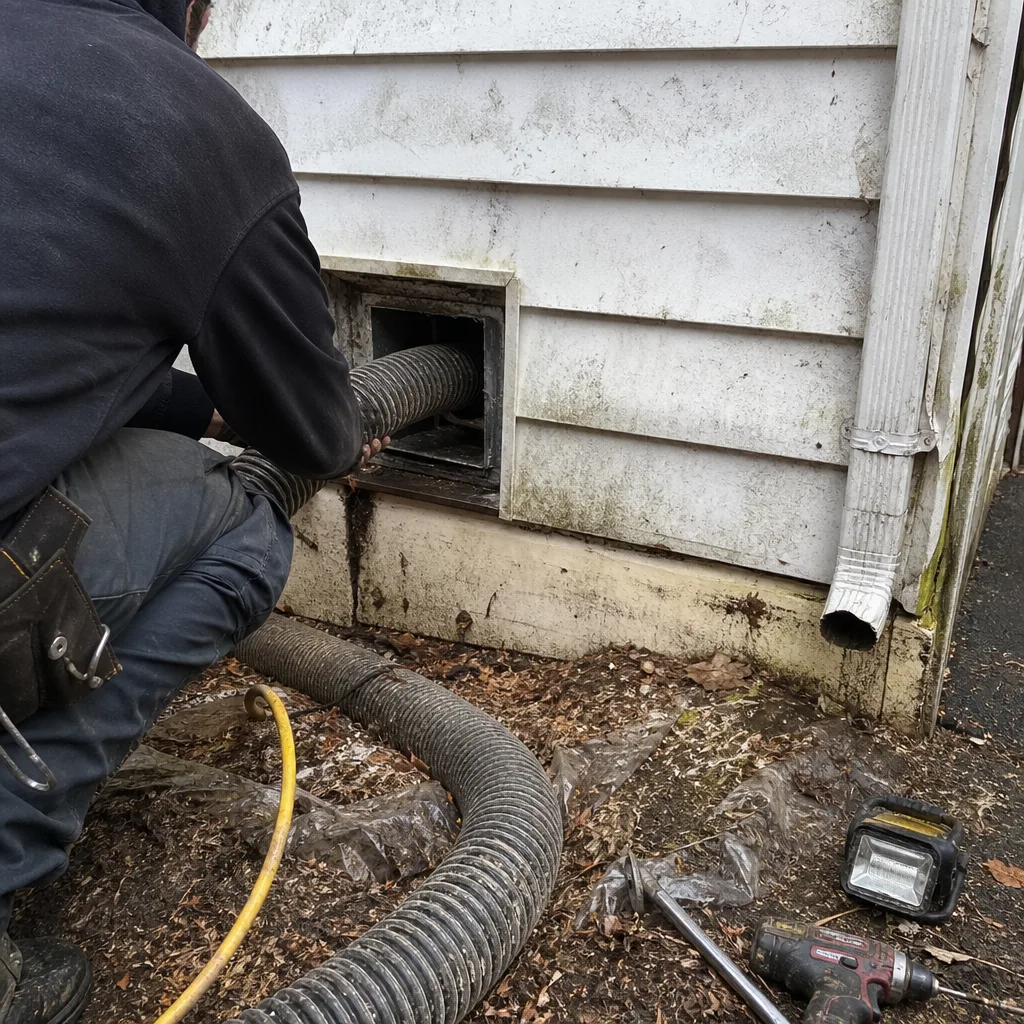 Before
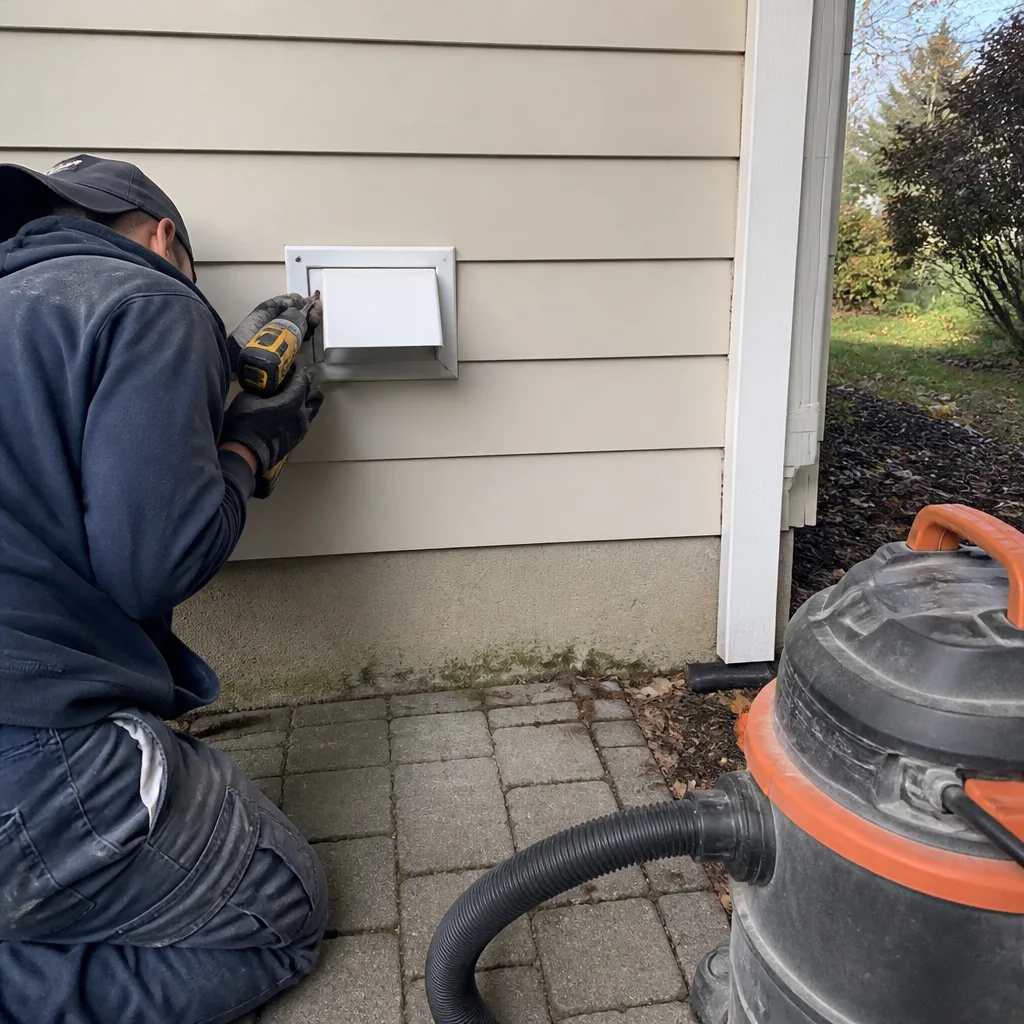 After
AfterCommon Air Duct Cleaning Problems We See in Financial District Homes
- Original cast-iron duct chases too narrow for standard rotary brushes. Many pre-war buildings have internal cross-sections of six inches or less in places. Standard ten-inch brush heads simply don’t fit, which is why cheap outfits clean the first few feet and leave the rest untouched.
- Microbial staining driven by East River salt air and summer humidity. The coastal location means higher moisture inside duct runs. Staining on supply diffusers or a musty smell that returns every July usually signals biofilm, not just dust.
- Positive-pressure blow-and-go cleanings that push debris into your unit. Untrained techs connect a box-store shop vac to the register and run it in reverse. In FiDi’s central systems, that sends the debris from a shared riser into your neighbor’s apartment and yours, covering furniture in fine gray dust.
- Fogging sold as mold remediation. Here’s the truth: in humid salt-air systems, fogging masks the smell for two or three weeks and leaves the biofilm intact. Then the smell returns and the resident thinks the cleaning failed. It didn’t fail. It was never cleaned.
Pricing for Air Duct Cleaning in Financial District, NY
Air duct inspection in Financial District runs $95 to $160. Residential cleaning runs $430 to $680 for most condo and co-op units, with larger multi-bedroom residences and long shared riser runs falling between $680 and $850. The main cost factors are the number of registers, the length and accessibility of the duct run, and whether we need custom flange adapters for pre-war cast-iron sections. Every price is written down before work starts. No per-vent pricing games. No teaser coupon that becomes a surprise invoice. Call (585) 517-2324 for an exact quote.
We Also Serve Cities Near Financial District
We serve the entire Financial District plus nearby neighborhoods including New York, East New York, Manhattan, and the Upper East Side. If your building is just outside our primary local zone, call (585) 517-2324 and we’ll confirm coverage. Dispatch and scheduling are coordinated from the brand’s New York City office, and crews serve the Financial District locally.
Serving Financial District, NY - Our Local Coverage Area
We’re based in the Financial District area and know this community well. Use the map below to see our service coverage - if you’re nearby, we can almost certainly help.
FAQs About Air Duct Cleaning in Financial District
Yes. Financial District high-rises with centralized HVAC systems have duct runs that are longer, narrower, and shared between units, so they require negative-pressure extraction equipment sized for commercial or central residential systems plus extended hand-fed tools that can reach through six-inch access panels. A standard residential kit built for suburban sheet-metal ducts won’t reach the first elbow in a pre-war cast-iron chase. If your building’s mechanical room is in the basement and your unit is on the 12th floor, the run might be 150 feet with multiple turns, and the cleaning method matters more than anything else. Call (585) 517-2324 and we’ll tell you what your specific building needs.
Salt-laden air accelerates corrosion on exposed metal surfaces, including blower motor housings, duct seams, and internal support brackets. In Financial District buildings within a few hundred yards of the water, we regularly see salt crystals formed on the air handler and fine corrosion dust being distributed into supply air. This is not something a filter catches well. A proper source removal cleaning with mechanical agitation clears it out, and a MERV 13 filter upgrade from Honeywell or Aprilaire helps keep it out going forward.
Yes, but it takes a different approach than a modern high-rise. In Financial District buildings where original exposed ductwork has no standard access panels, we install temporary access points, use custom flange adapters and extended hand-fed agitation tools, and run negative-pressure extraction through the existing register openings. Last month our techs worked a condo on Water Street where a centralized air handler showed salt corrosion on the blower motor housing and visible microbial staining inside the supply and return ducts. Using negative pressure with HEPA filtration and hand-fed agitation tools through a six-inch access panel, we removed the biofilm and confirmed clear airflow with a camera inspection, no fogging needed, just source removal and a MERV 13 filter upgrade. If your building is unusually restrictive, we’ll show you the camera footage so you understand exactly what was and wasn’t reached. Call (585) 517-2324 to schedule an inspection.
NADCA is the National Air Duct Cleaners Association. Their standards require source removal: mechanically agitating debris off duct walls and extracting it under negative pressure with HEPA filtration, not blowing it around and not fogging it. In Financial District’s humid salt-air systems, NADCA-compliant cleaning means the difference between removing biofilm and covering it in scented mist. A company that skips NADCA methods to cut corners leaves biological material inside your ducts, and the musty smell returns within weeks. We follow NADCA methods on every job and put that commitment in writing through the 365-Day Done Right Promise.
Yes, if the smell is coming from microbial growth inside your ducts, which is the most common cause in Financial District buildings near the water. Source removal cleaning with mechanical agitation and HEPA-filtered negative pressure physically removes the biofilm and the dust it feeds on. Fogging does not. That’s the honest distinction, and it’s the reason many residents who got a fogging-based ‘sanitizing’ last year are calling us this year. If your musty smell returns every summer, call (585) 517-2324 for an inspection and we’ll show you what’s actually in there.
Contact Kestrel Air Duct New York in Financial District
The Kingswell Way governs every visit: say the price, show up in the window we gave, leave the place cleaner, put the guarantee in writing, and come back if it fails. That’s not a marketing line. It’s the operating code we’ve run under since 2004. If you live in the Financial District and want an air duct cleaning company that answers the phone, respects your time, and doesn’t invent problems to inflate an invoice, call (585) 517-2324 today for a free estimate.
Written by Dale Whitmore, Owner at Kestrel Air Duct New York, serving Financial District and surrounding New York City neighborhoods.