
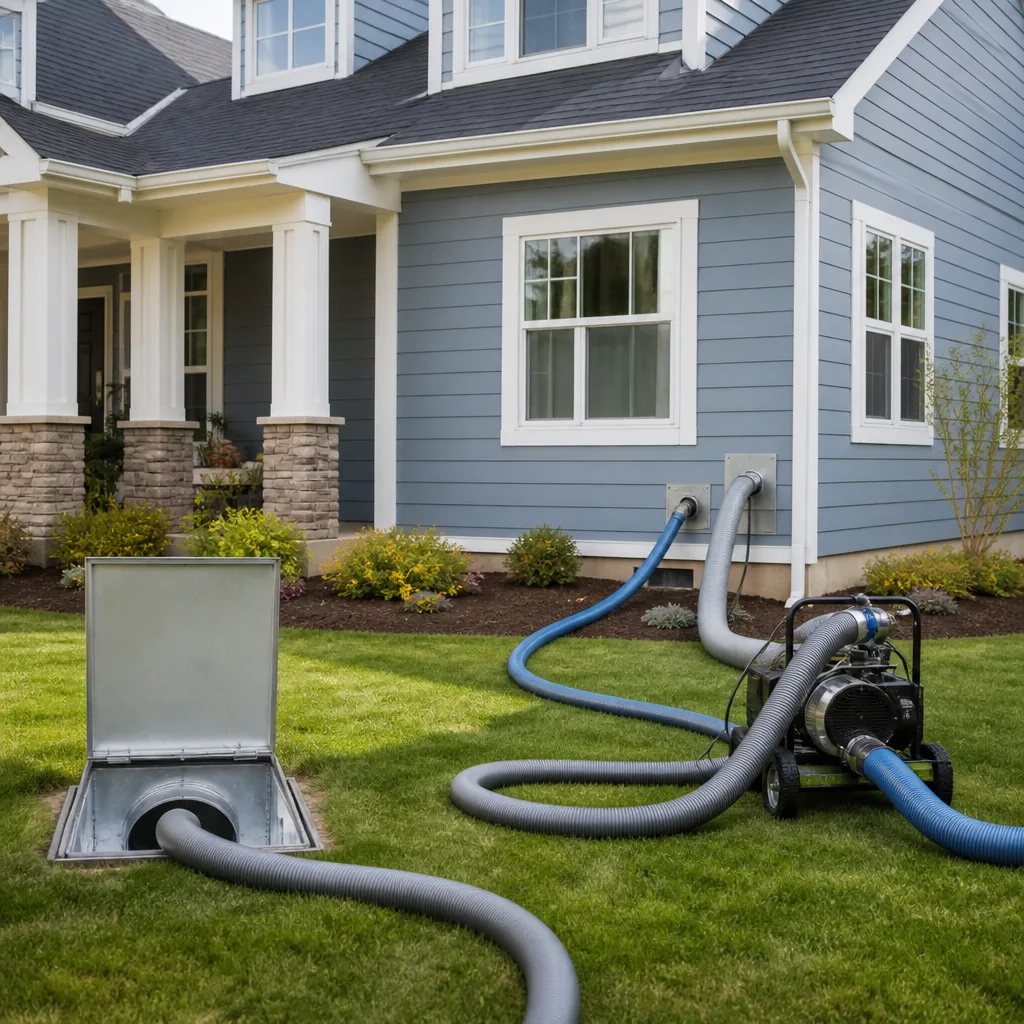
 Whole-home duct cleaning
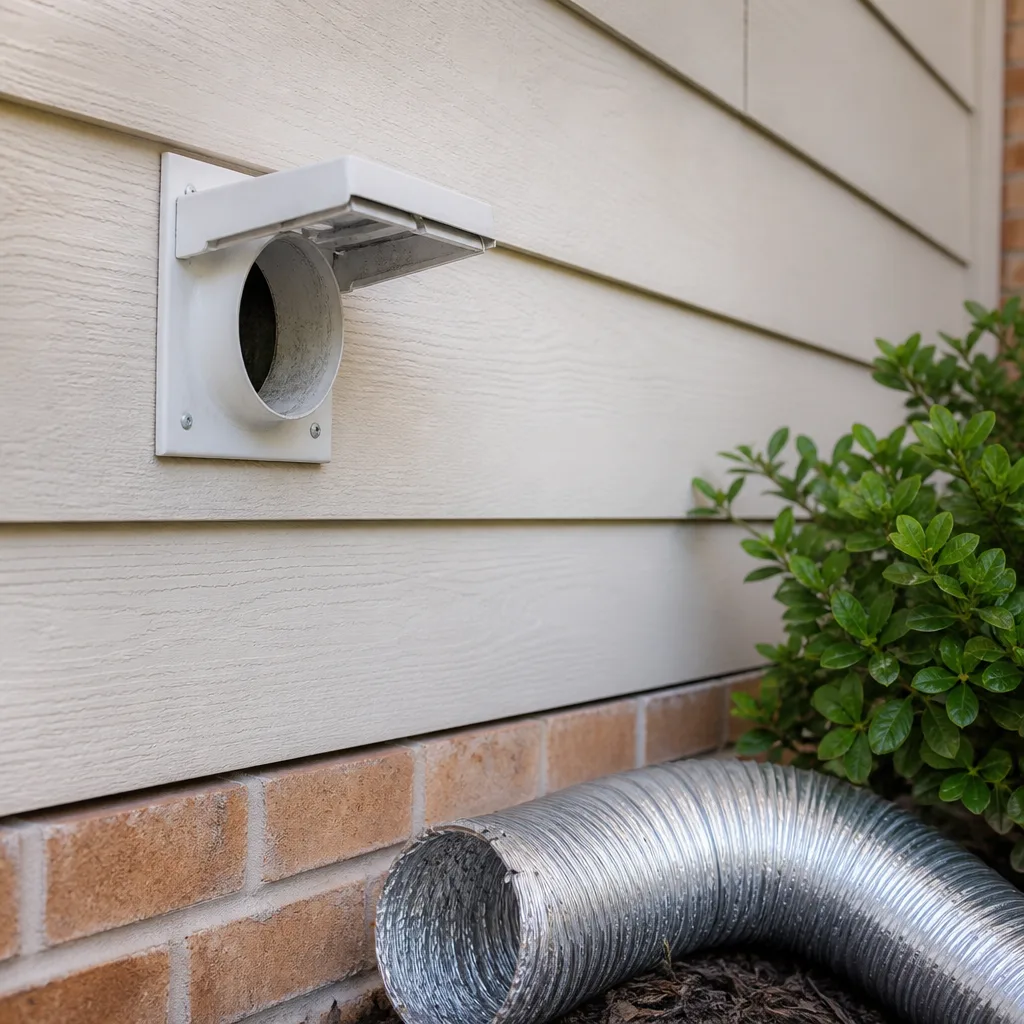 Dryer vent cleaning
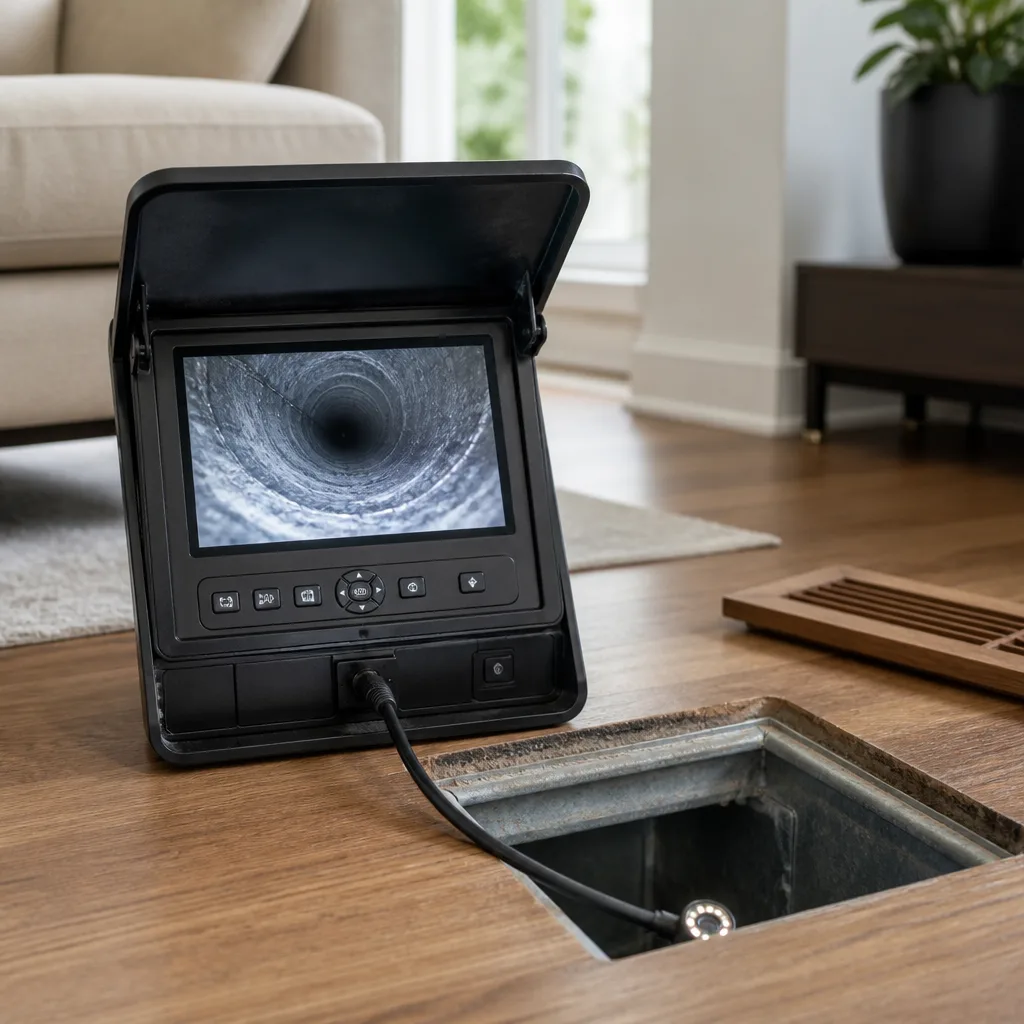 Camera inspection
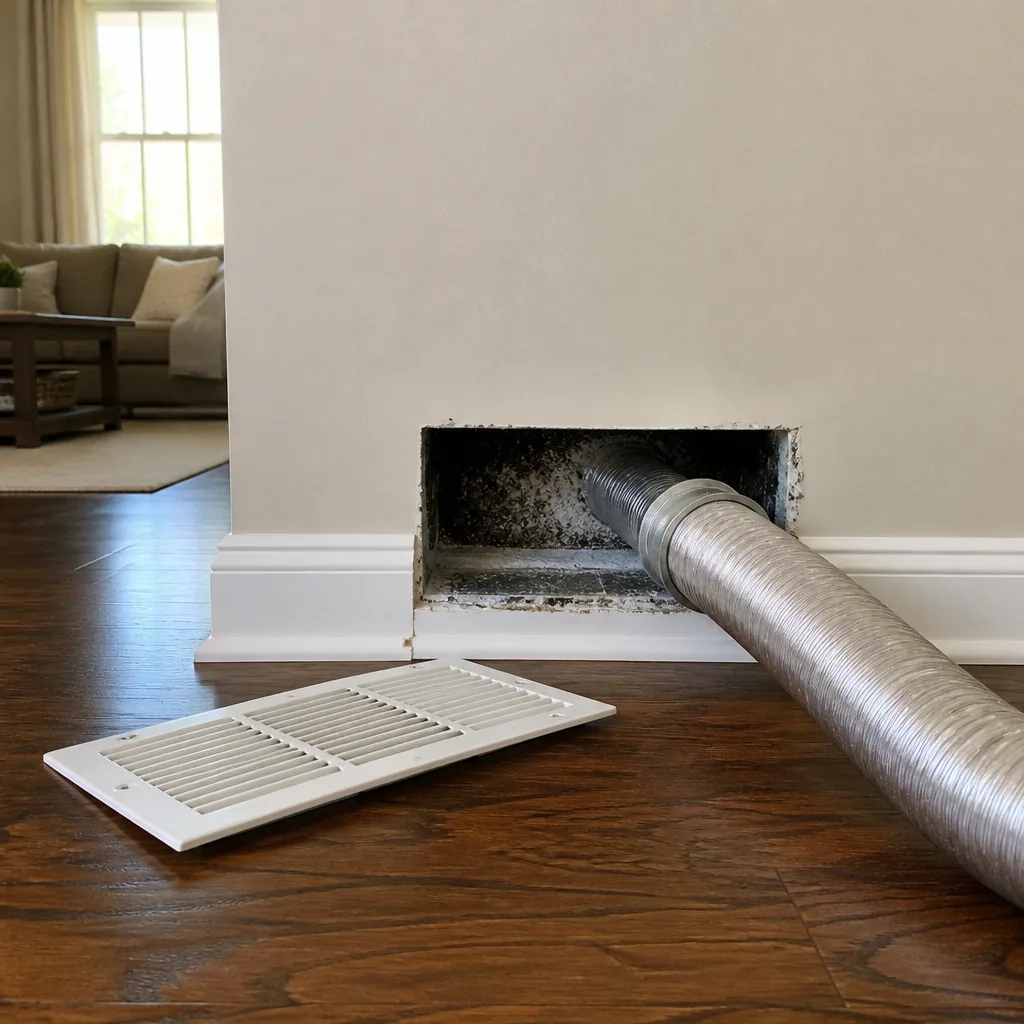 Sanitizing & deodorizing
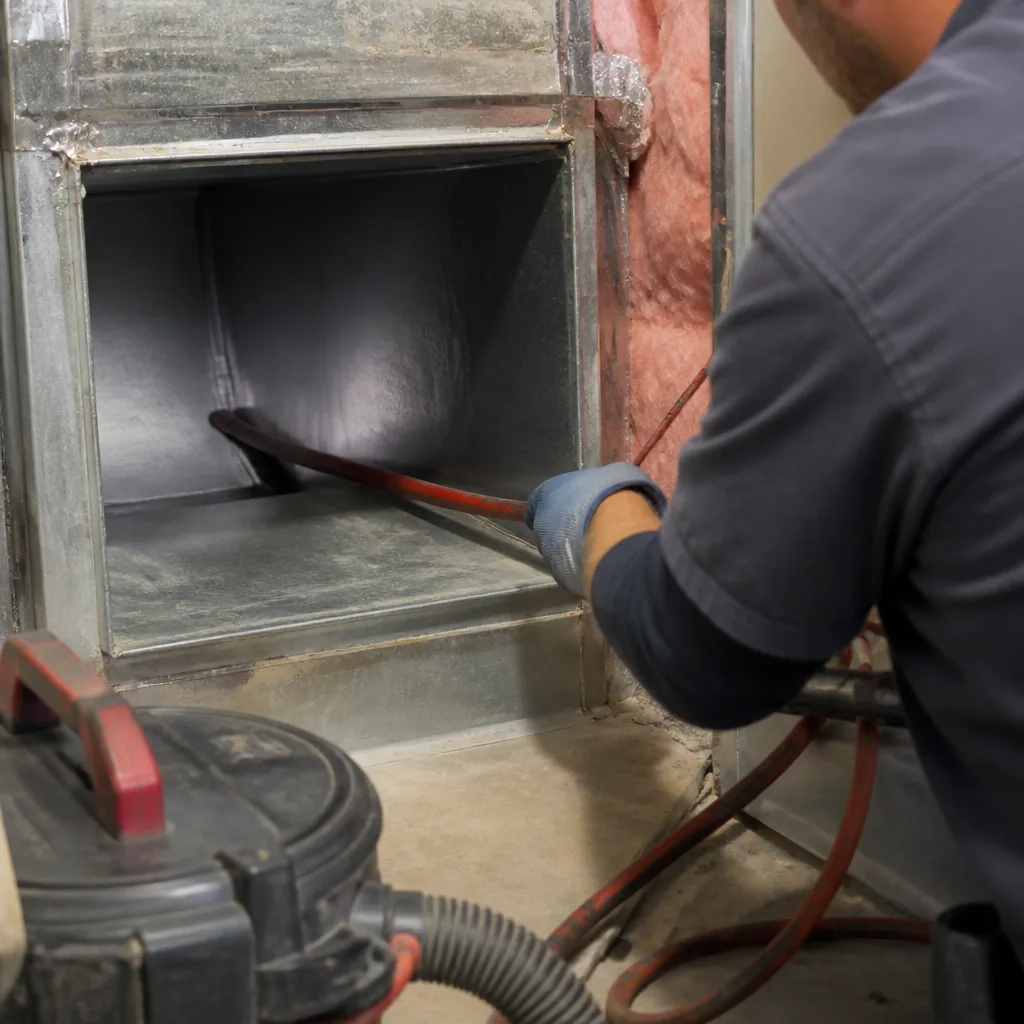
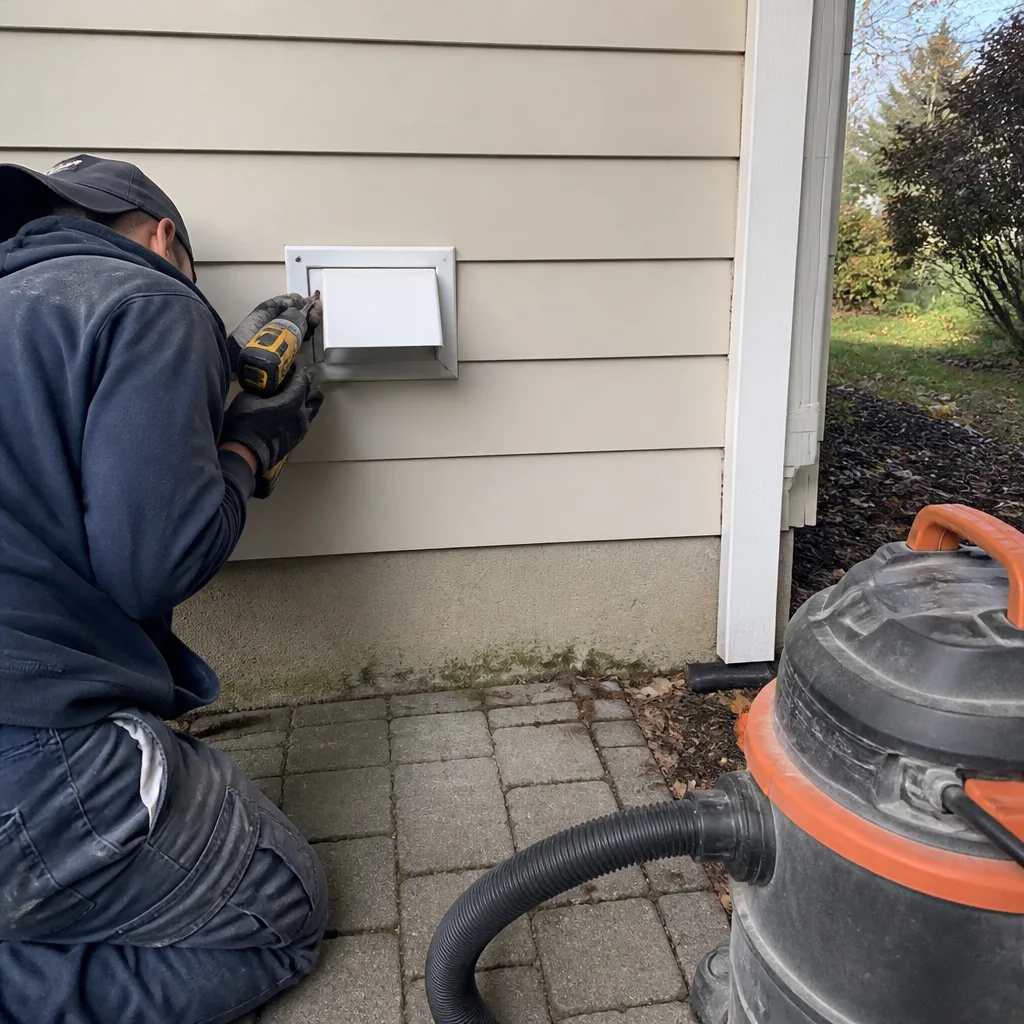
Whole-system duct and dryer vent check with before-and-after photos - you see exactly what came out of your vents
That "$99 whole-house special" is a bait ad - the real number appears once they are in your hallway, or the "clean" is a shop-vac at the register. We photograph the inside of your ducts before and after instead.
Abatement Technologies Duct Sealing & Repair: The New York Owner’s Guide
We stock and install Abatement Technologies-compatible duct sealing and repair components in New York, with most complete sealing jobs running between $425 and $1,150 depending on how much of the duct run needs attention. If you’re calling us, you’ve usually noticed one of three things: a whistling sound from a register that wasn’t there before, a spike in your Con Edison bill with no change in usage, or visible peeling tape and mastic at a seam you can actually see in a basement or crawlspace. The fix is straightforward: we identify every compromised joint, seal it with the right mastic and tape combination, and verify the repair with a pressure test before we pack up.
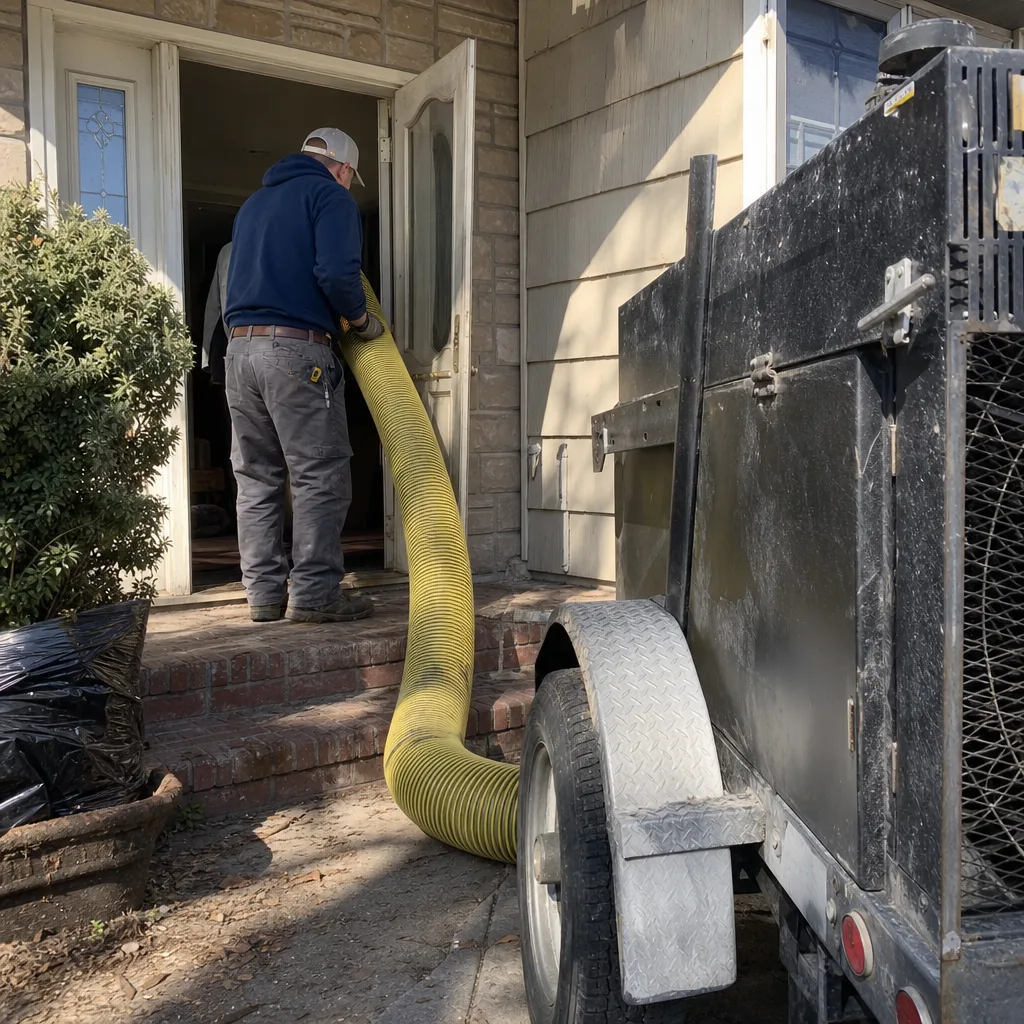
One thing to be clear about from the start: Kestrel Air Duct New York is an independent service provider. We work on Abatement Technologies equipment every week, but we’re not a factory branch or a corporate warranty station. That means we stock the parts that actually fail in the field, not just the parts a catalog says you might need.
Which Abatement Technologies Models This Applies To
Abatement Technologies duct systems show up in a lot of New York buildings, and the sealing and repair needs differ by which line you’re dealing with. The portable HEPA filtration units like the HEPA-AIRE series (the PAS1200, PAS1600, and similar) use flexible ducting between the machine and the containment area. Those collars and flex sections are the most common failure points we see, simply because they get moved, tugged, and stepped on during renovation projects. The ducted IAQ systems installed for whole-home or light-commercial use have different needs entirely: the seams between sheet-metal sections, the takeoffs at the plenum, and the boots at each register are where air escapes.
Here’s the compatibility gotcha worth knowing before you order anything yourself: Abatement Technologies flex duct collars measure slightly differently than the big-box generic versions. A standard 8-inch collar from a hardware store will often be a loose fit on an Abatement Technologies port because the factory tolerances run tighter. We’ve seen homeowners buy a replacement collar, install it, and still have leakage at the connection because they didn’t know the mismatch existed. When we quote a repair, we match the part to the unit, not the other way around.
On the OEM-versus-aftermarket question: for flexible ducting and collars, we’ve had good results with quality aftermarket components that meet or exceed the OEM specs. For the rigid duct sealing work, we use commercial-grade mastic and foil-backed tape rated for HVAC systems, not the gray cloth tape that dries out and peels in two New York heating seasons. Dale Whitmore has been pretty blunt about this with customers: cheap tape is a temporary fix, and temporary fixes don’t hold up in an attic that swings from 10 degrees to 130 degrees between January and August.
Styles & brands we work with
Signs Your Abatement Technologies Duct Sealing & Repair Is Failing
- Whistling or hissing at a register or seam. Air under pressure finds the smallest gap and makes noise doing it. If you hear it, the seal has already failed enough to matter.
- Rooms that won’t hold temperature. Sealed ducts deliver conditioned air where it’s supposed to go. Leaking ducts deliver it into wall cavities, basements, and attic spaces you never use.
- Dust accumulating faster than it should. A breach on the return side of the system pulls unfiltered air from wherever the leak is. If the return runs through a dusty crawlspace, that’s what you’re breathing.
- Peeling tape or cracked mastic at visible seams. Foil tape loses its adhesive over time, especially in damp basements and hot attics. Once it peels, the leak is active, not theoretical.
- A higher utility bill with no other explanation. Leaky ducts mean your system runs longer to hit the thermostat setpoint. In New York, where heating and cooling costs run well above the national average, that wasted run time is expensive.
See the difference
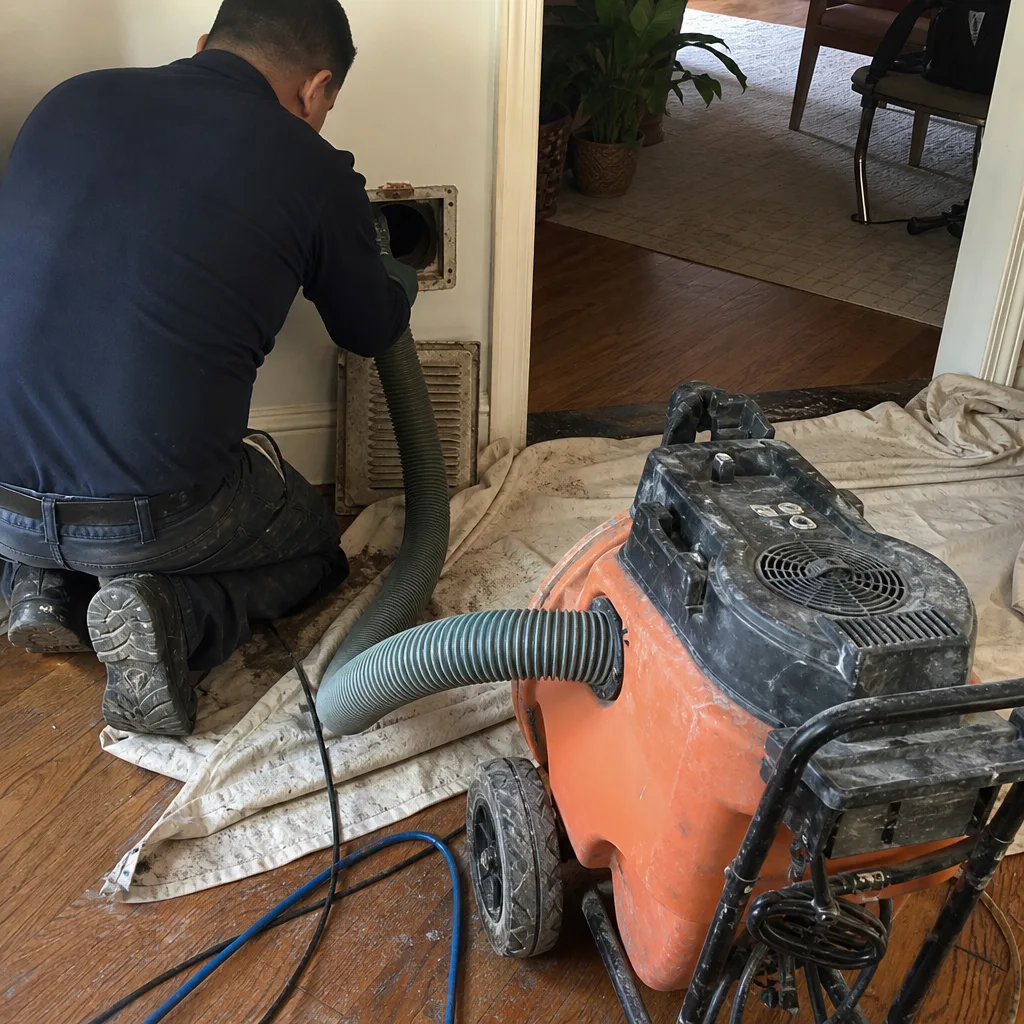 Before
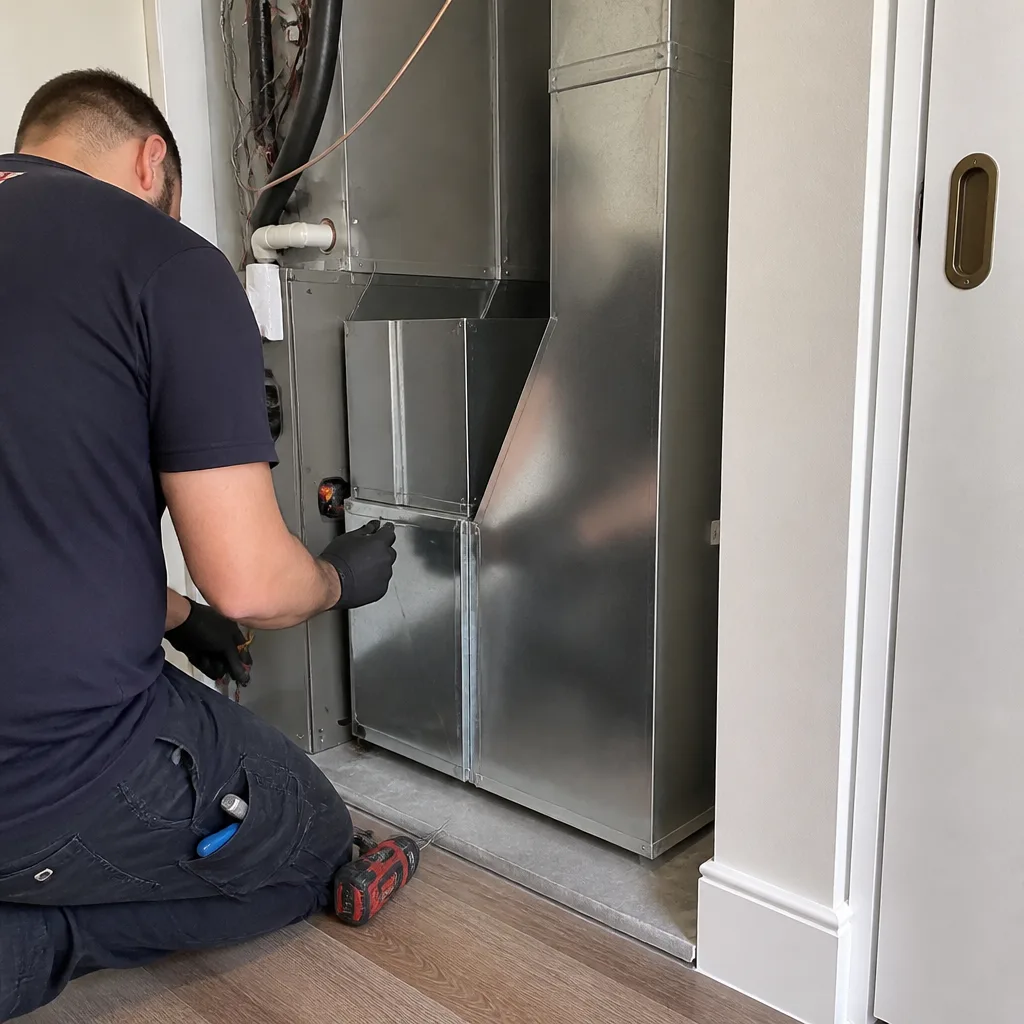 After
After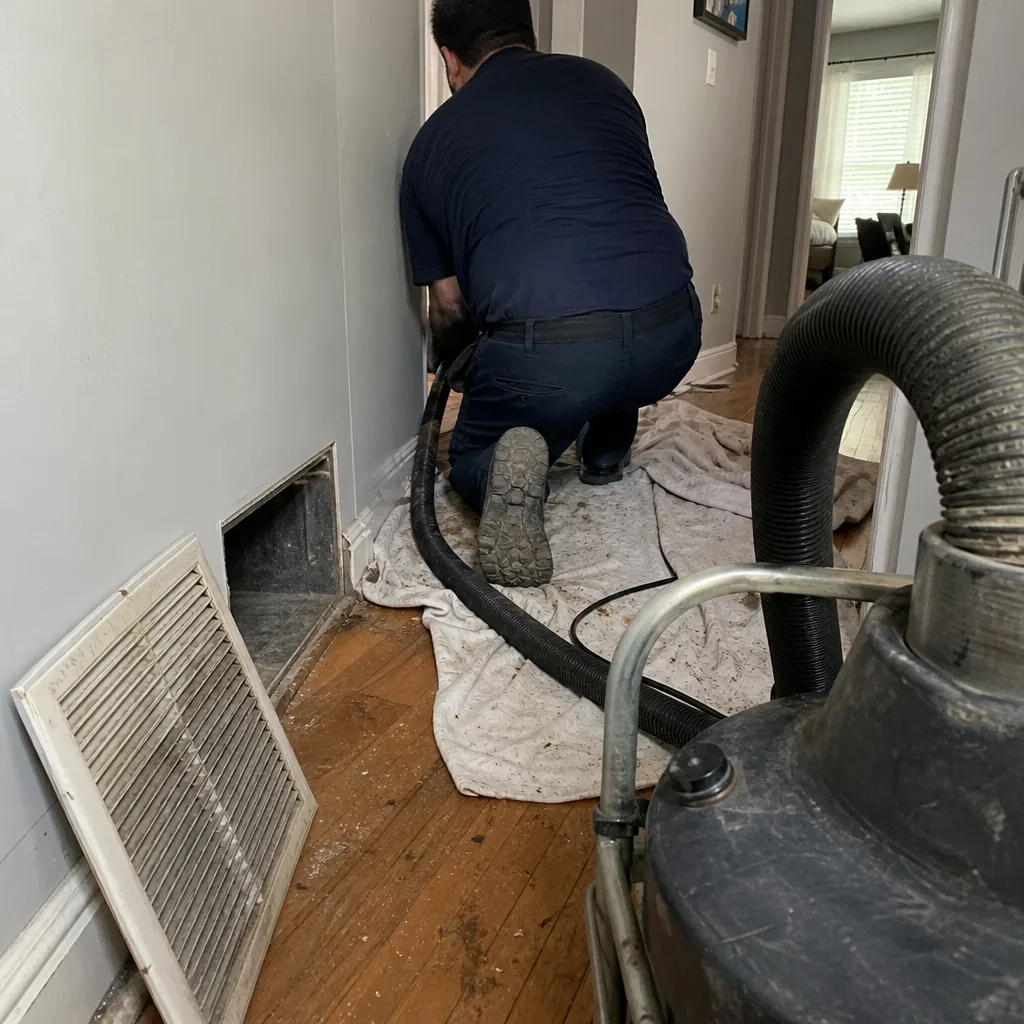 Before
 After
After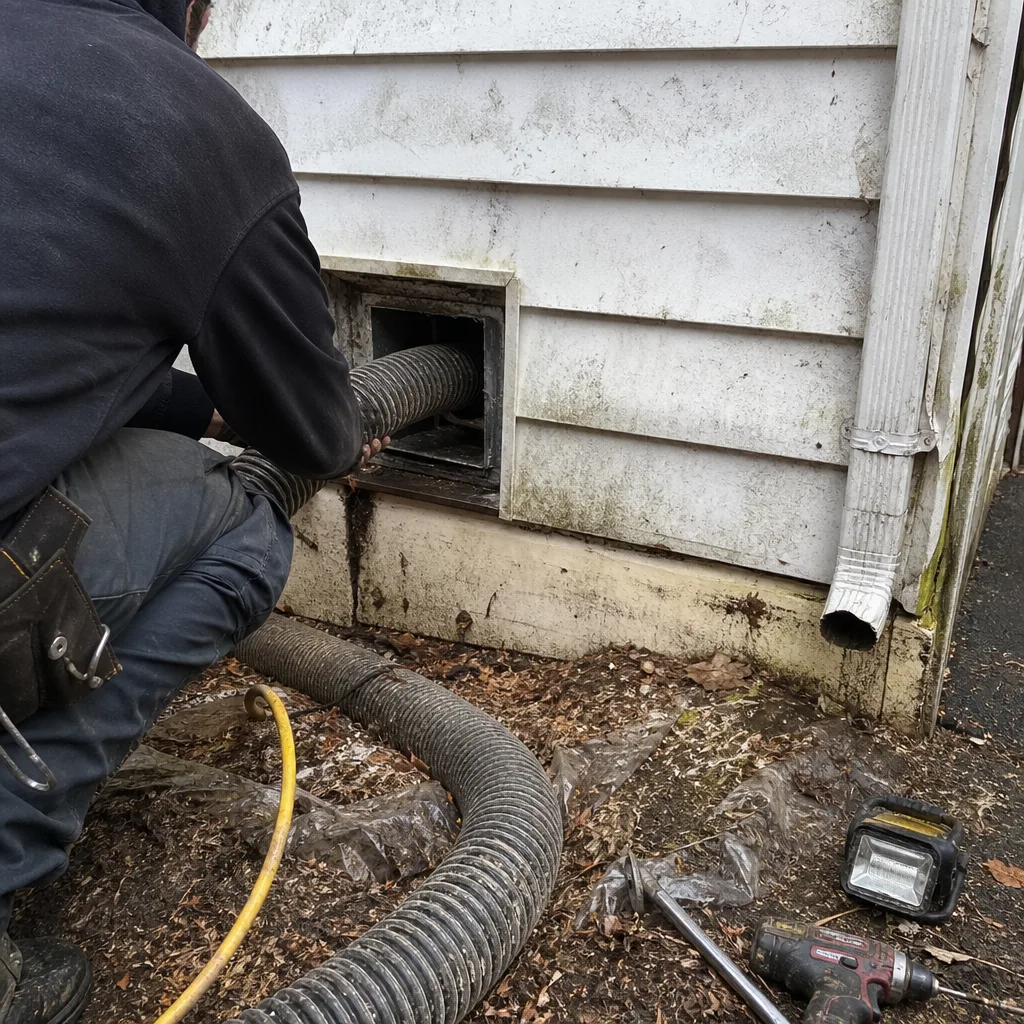 Before
 After
AfterReplacement Cost & What’s Included
Here’s the honest pricing picture for New York. A single flex duct collar replacement on a portable Abatement Technologies unit typically runs $85 to $140 including the part and labor. Sealing seams and takeoffs at a plenum runs $175 to $300 if we’re already on site for another job. A complete duct sealing pass on a typical New York apartment or townhouse system, where we address every accessible seam, boot, and takeoff, lands between $425 and $1,150. What drives the range is access: a basement with exposed ductwork is faster and cheaper than a finished ceiling that needs a scope to confirm before we cut an access panel.
Every quote includes the parts and materials, the labor, and cleanup, and the price we put in writing before we start is the price on the final invoice. If we find additional damage once we open things up, we stop, show you, and get an approval on the revised number before touching anything else. Our 365-Day Done Right Promise applies here too: if a seam we sealed fails within the year, we come back and fix it at no charge. For sealing work on ducted systems, we also offer Honeywell and Aprilaire filtration products if you want to address what got pulled through the leaks while they were open.
DIY or Call Us?
You can absolutely inspect your own ducts. Look for visible gaps at seams, peeling tape, and disconnected flex sections. Take photos. That helps you understand what’s going on and gives us a head start on the quote. What you shouldn’t do is climb into an attic or crawlspace with a roll of hardware-store tape and start slapping it on. Most duct sealing failures happen because the surface wasn’t cleaned, the wrong material was used, or the gap was too large for tape alone. We use mastic and foil tape in combination, applied to cleaned metal, and then we verify with a pressure test that the leak is actually closed.
There’s also the safety side of this. Ductwork in attics can hide wiring, and a misstep through a ceiling is a costly way to save a service call. If your Abatement Technologies system is a portable HEPA unit used for renovation or mold remediation, the stakes are higher: a poorly sealed collar means contaminated air bypassing the filter entirely. That’s a health issue, not a comfort issue. Call us at (585) 517-2324 and we’ll give you a straight answer on what needs doing and what it costs.
FAQs
A properly applied mastic-and-foil-tape seal on rigid ductwork typically lasts 10 to 15 years in a New York climate, with flex duct collars lasting 5 to 8 years before the material stiffens and cracks. The failure rate depends heavily on where the ducts live: attic sections degrade faster due to extreme temperature swings, while basement runs hold up better. If your system is over 10 years old and you’re seeing symptoms, a professional evaluation is cheaper than waiting for a total failure. Call (585) 517-2324 for an exact assessment and a written quote.
Yes, and in most cases repair is the right call. We clean the seam, apply mastic to fill the gap, and cover it with foil-backed tape. Replacement is only necessary when the duct section itself is corroded, crushed, or the metal has separated beyond what sealant can bridge. We’ll tell you which one you’re looking at and why before any work starts.
A single collar or seam repair is usually done in 45 to 90 minutes. A full sealing pass on an accessible system takes 2 to 4 hours depending on the number of seams and the access situation. We’ll give you a defined arrival window when you book and we honor it. Call (585) 517-2324 and a live person will schedule you, any time of day.
We carry the most common flex duct collars, mastic, foil tape, and repair sleeves on every truck. For less common replacements, we source from our local New York supply partners and can usually have the part in hand within a day or two. If you have a specific unit model, have that number ready when you call and we’ll confirm availability before we schedule.
Before we leave any job, we walk you through what was found, what we replaced or sealed, and what it cost, with everything documented on the invoice. We tell you what we found, what we did, and what it cost – in writing, before we leave. If your Abatement Technologies ductwork is leaking, call us at (585) 517-2324 for a free estimate. We also stock sealing and repair parts for Lennox, Trane, and Carrier systems if you have mixed equipment in your building.
Written by Dale Whitmore, Owner, Kestrel Air Duct New York at Kestrel Air Duct New York, serving New York and nearby areas.