
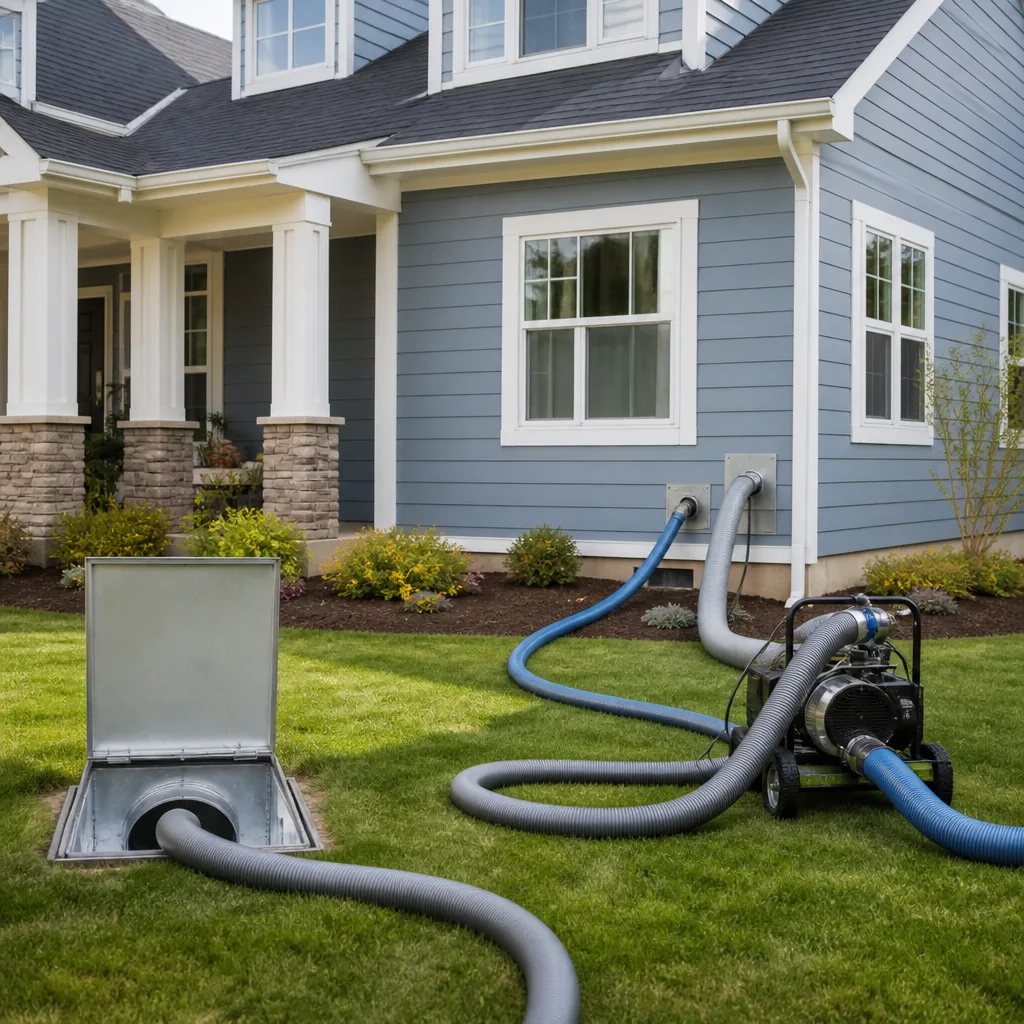
 Whole-home duct cleaning
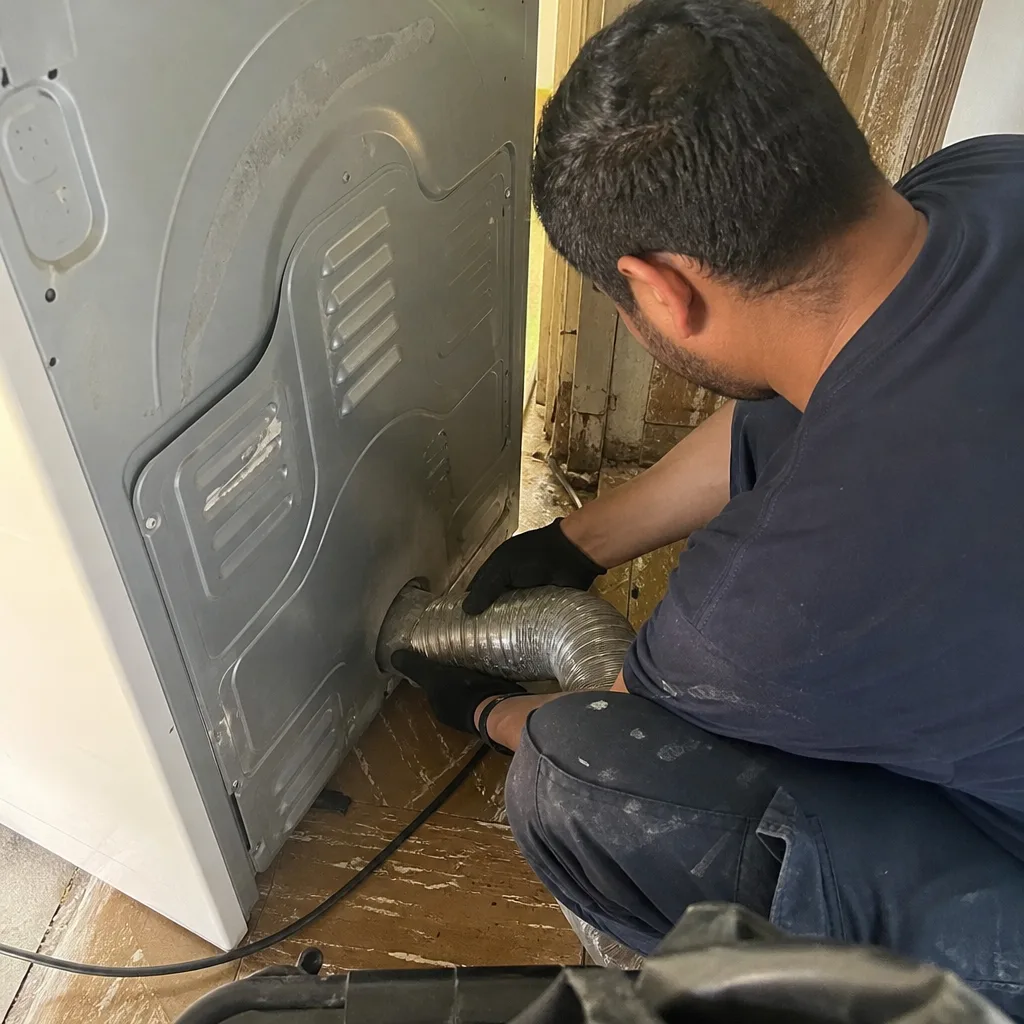
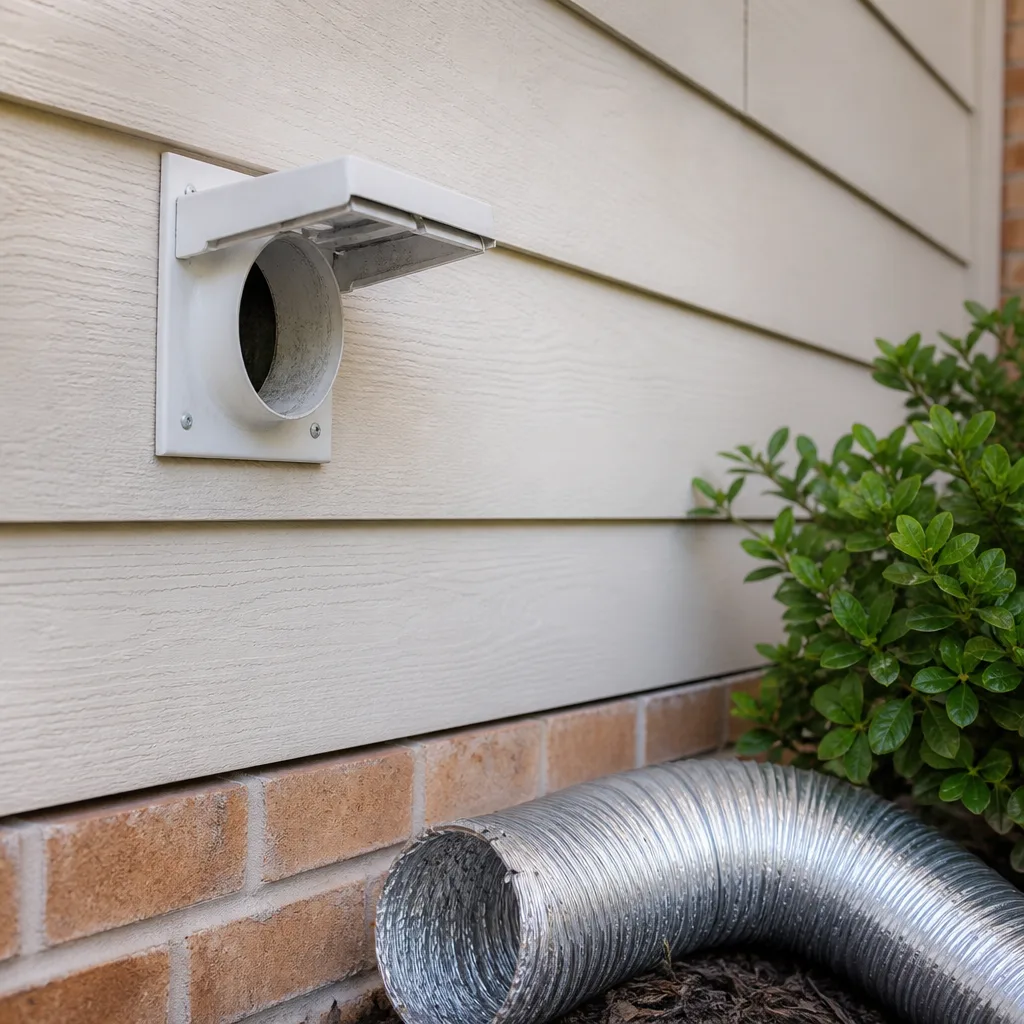 Dryer vent cleaning
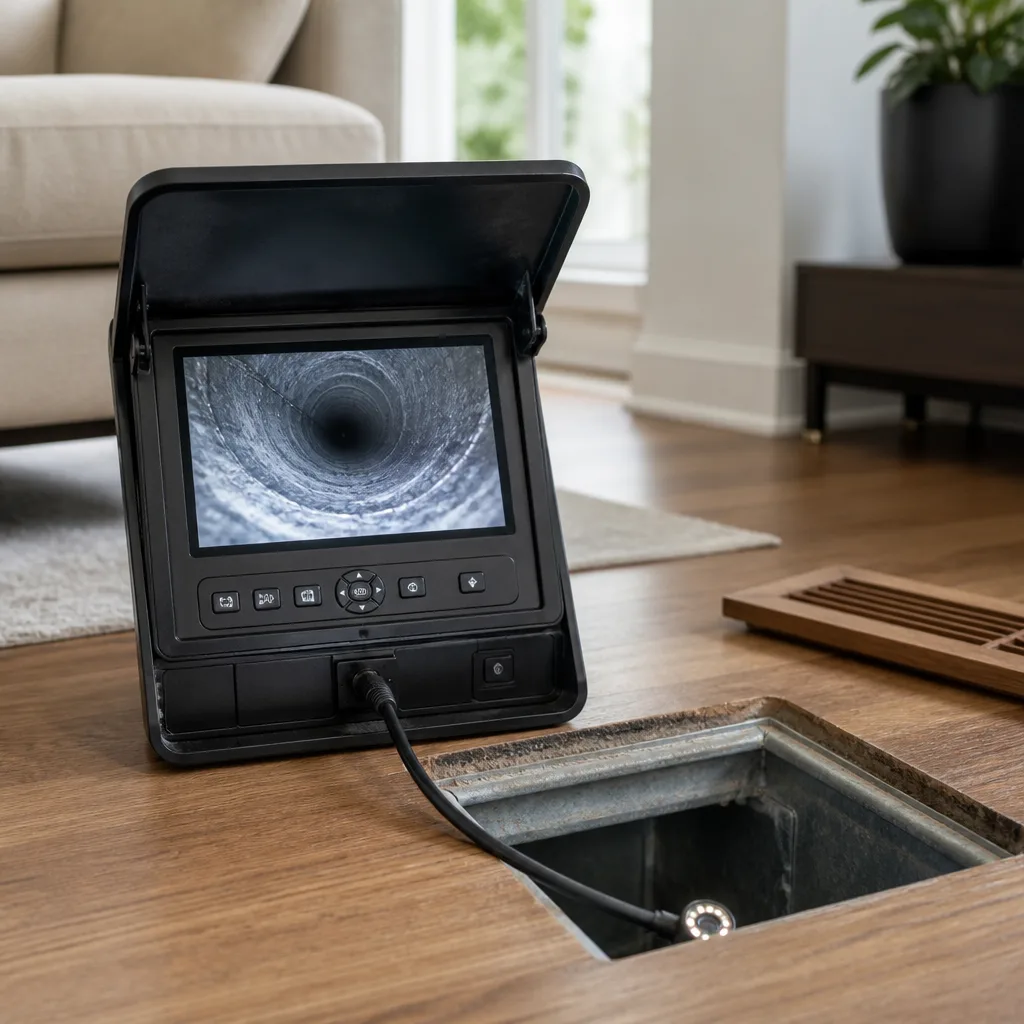 Camera inspection
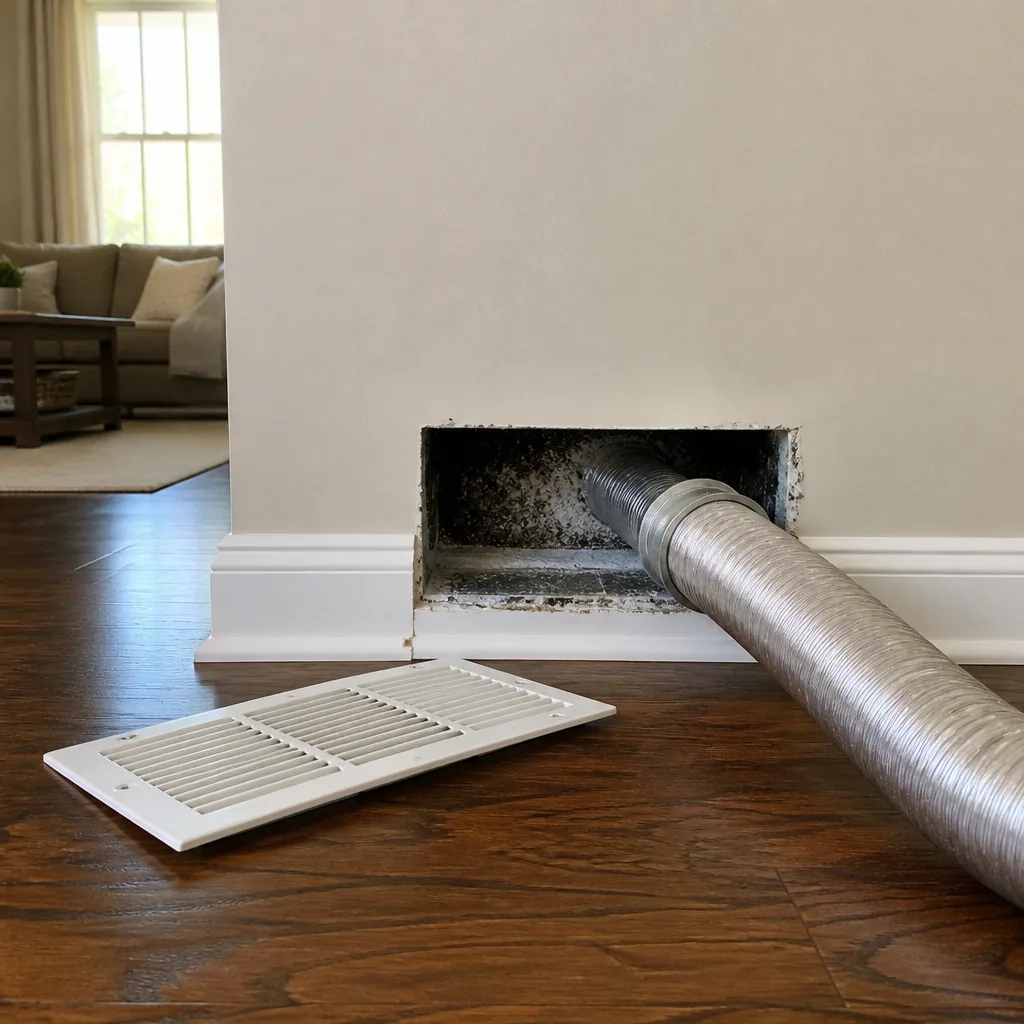 Sanitizing & deodorizing
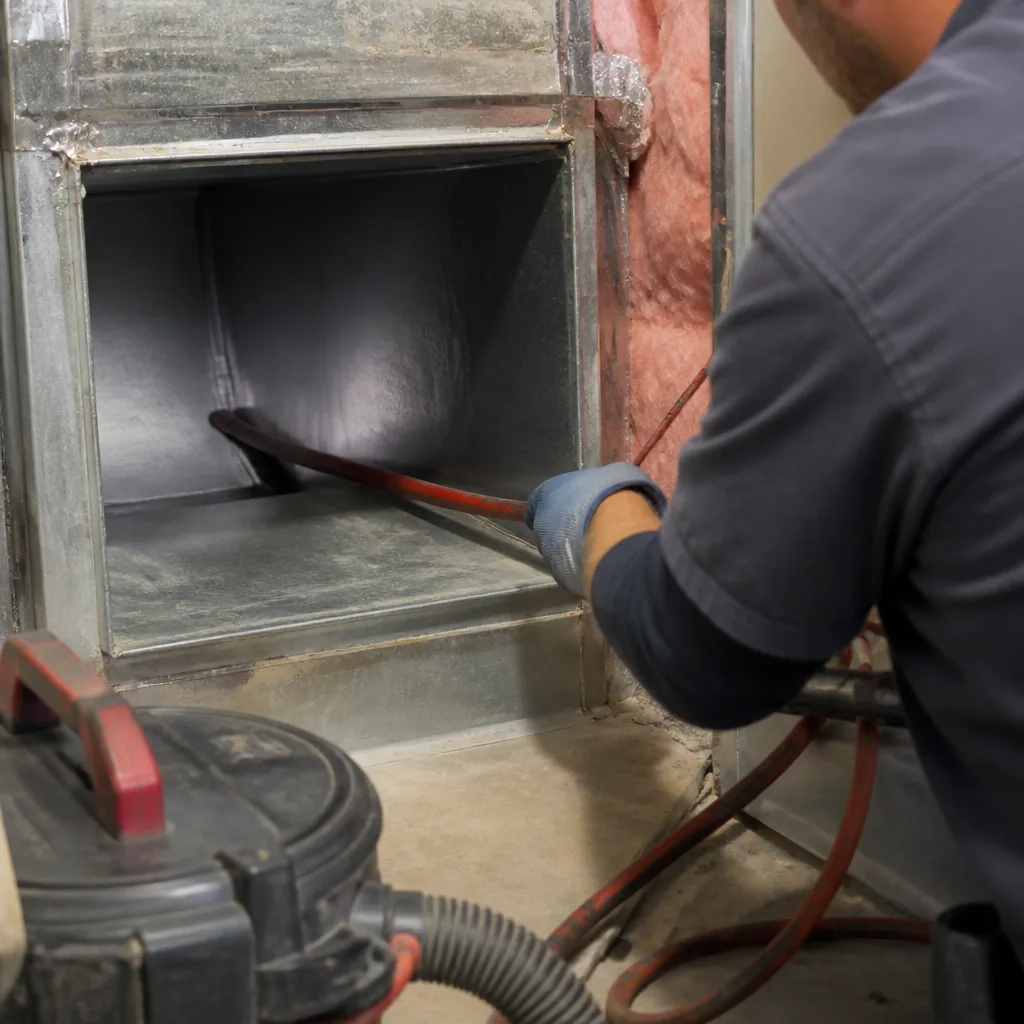
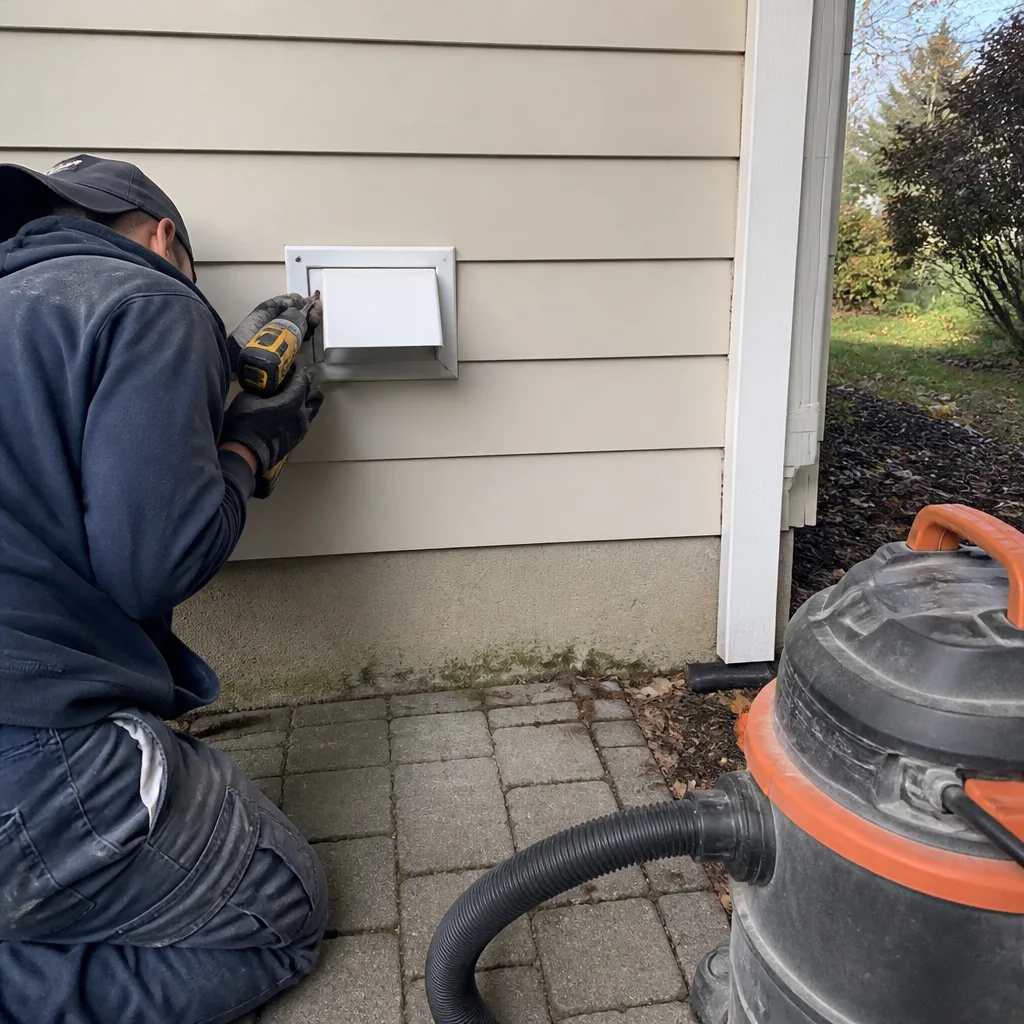
Whole-system duct and dryer vent check with before-and-after photos - you see exactly what came out of your vents
That "$99 whole-house special" is a bait ad - the real number appears once they are in your hallway, or the "clean" is a shop-vac at the register. We photograph the inside of your ducts before and after instead.
Honeywell Vent Sanitizing: The New York Owner’s Guide
If your Honeywell UV air treatment system has stopped sanitizing, we stock and install Honeywell-compatible replacement lamps, ballasts, and control modules across New York, with most swaps completed in a single visit for between $285 and $540 installed. The most common call we get starts the same way: the indicator light stays off, or a faint ozone smell you used to notice is gone, and the unit no longer makes that soft electric hum. Honeywell’s UV systems don’t fail like a light switch; they fade over weeks, and most New York homeowners catch it when the system indicator shows a fault code, or when allergies that had been settled for months start acting up again.
What happens inside a Honeywell vent sanitizer is straightforward. A UV-C lamp sits in the return or supply plenum and irradiates the coil and air stream as they pass. Over 12 to 18 months of near-continuous operation, the lamp’s output drops below the point where it kills mold and bacteria on the coil surface. In New York’s humid summers, that coil is almost always wet during cooling season, which is exactly when the sanitizer matters most. A lamp that still glows visibly may be producing a fraction of its original UV-C output. That’s the usual failure point, and it’s why most homeowners don’t realize anything is wrong until months have passed.
We’re Kestrel Air Duct New York, an independent service provider and not affiliated with Honeywell. Dale Whitmore leads our crew, and we’ve been pulling failed lamps out of New York ductwork long enough to know this part inside and out. We tell you what we found, what we did, and what it cost, in writing, before we leave.
Which Honeywell Models This Applies To
Honeywell’s UV air treatment line falls into a few recognizable series: the original UV100A surface treatment unit, the UV2400 whole-house air purifier, and the newer R18 and R24 series used with TrueCLEAN or TruSTEAM systems. Each of these uses a specific lamp length and wattage, and the parts do not interchange. A UV100A lamp is shorter and lower wattage than a UV2400 lamp, and installing the wrong one means the system draws too much or too little current and the ballast either refuses to fire or burns out early.
To identify your exact lamp, look at the label on the metal ballast housing, not just the bulb itself. The housing label carries the model prefix and the lamp spec, usually spelled out like “TUV PL-L 36W” or a Honeywell part number beginning in “UV” or “R18.” If that label is unreadable because it sat in the air stream for a decade in a New York apartment riser, measure the lamp’s overall length with the pins in place and match it against the spec chart we carry on the truck. One compatibility gotcha worth knowing: the UV100A and the UV2400 both fit the same standard 7-inch duct opening, so a homeowner checking the metal collar alone can easily order the wrong lamp. The collar lies. The ballast label doesn’t.
On the OEM versus aftermarket question: Honeywell-branded lamps carry the full manufacturer spec and the typical one-year service life. Quality aftermarket equivalents from reputable ultraviolet lamp manufacturers can match output and life at $40 to $70 less per lamp. We stock both for the common Honeywell series and can quote either option. For the UV2400’s power supply, we recommend staying with the OEM ballast every time. Aftermarket ballasts for that unit have been inconsistent in our experience, and we’ve replaced more than one that lasted just a few months.
Styles & brands we work with
Signs Your Honeywell Vent Sanitizing Is Failing
- The indicator light is dark or flashing a fault pattern. Honeywell units include a lamp-life indicator, and when the ballast detects insufficient lamp output, it drops into a fault state instead of continuing to run. A steady dark indicator usually means the lamp has aged out; a flashing one often points to a failing ballast.
- You notice a musty smell when the air conditioner cycles on. The UV-C lamp’s job is to keep the evaporator coil free of microbial growth. Once output fades, the coil starts accumulating organic material, and New York’s humid summer air turns it into exactly the smell you’re catching. It means the lamp hasn’t been doing real work for a while.
- Allergies or breathing issues return after months of relief. This is a slow, insidious one. The system was quietly reducing airborne biologicals in the duct stream, and when it stops, the air doesn’t change all at once. Owners typically describe it as a gradual return of symptoms they hadn’t thought about since the unit was installed.
- No visible blue glow through any inspection window or no ozone note at all. Honeywell UV systems produce a quiet corona scent in the first few moments after startup. If that’s completely absent and there’s no visible light through the viewing port, the lamp or ballast has failed outright, not just faded.
- The lamp itself looks blackened at one end or has a cloudy, frosted appearance inside the quartz. Blackening at the electrode end means the lamp has reached the end of its emissive coating life. A milky interior indicates the lamp envelope has begun to degrade. Both conditions are terminal for the lamp.
See the difference
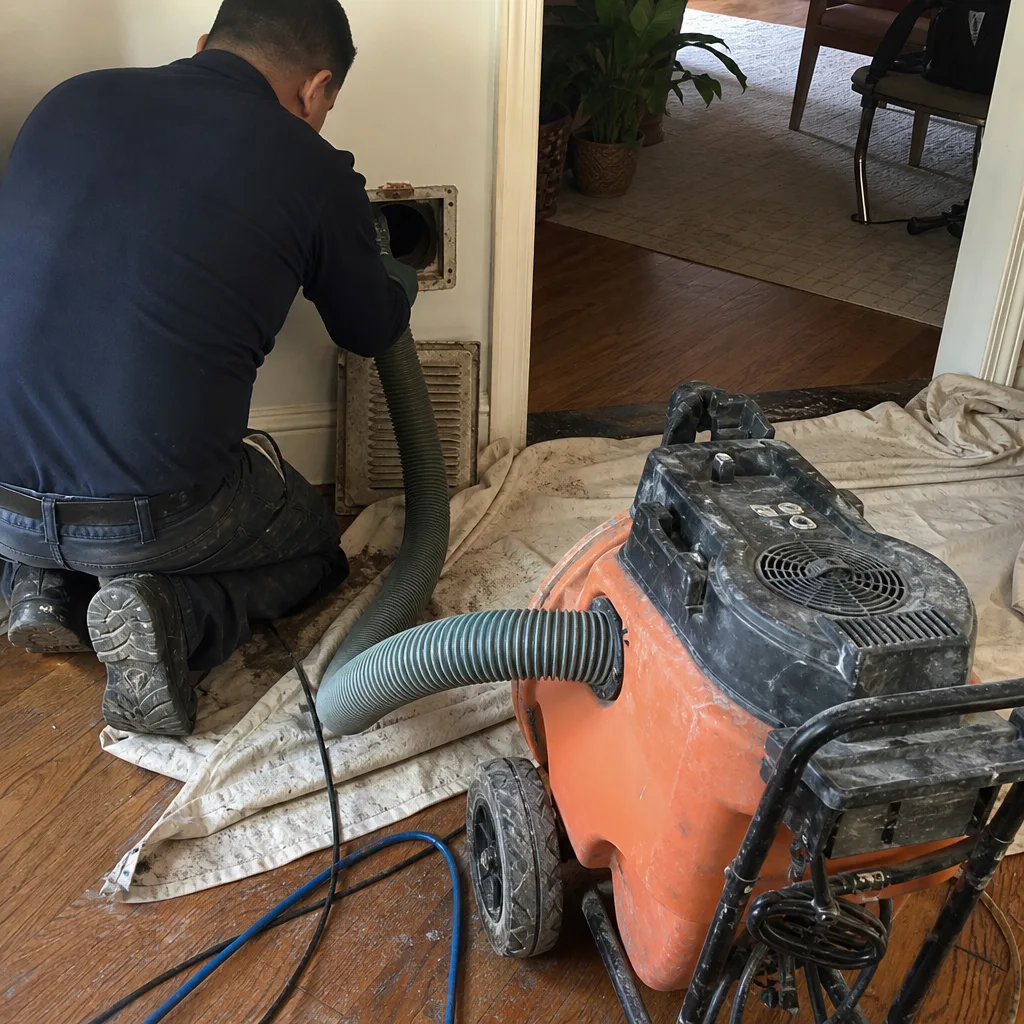 Before
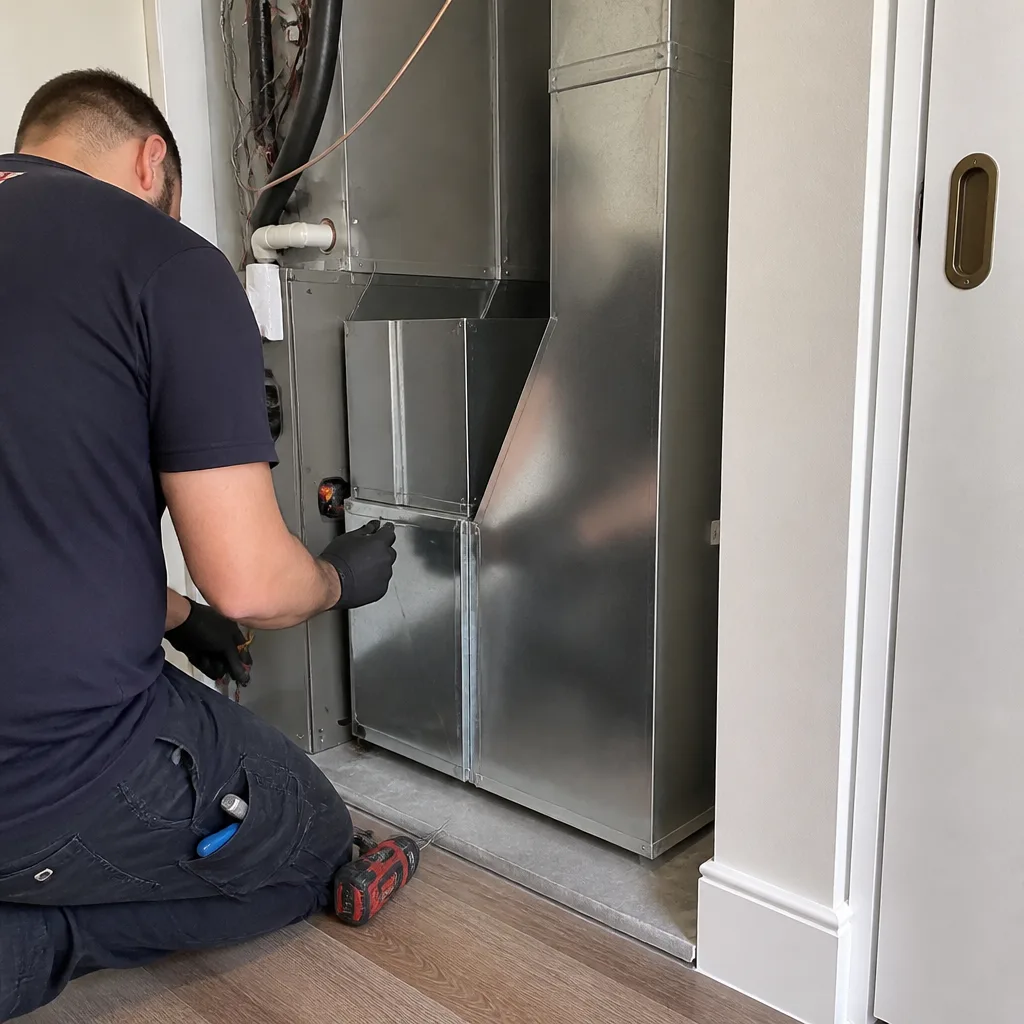 After
After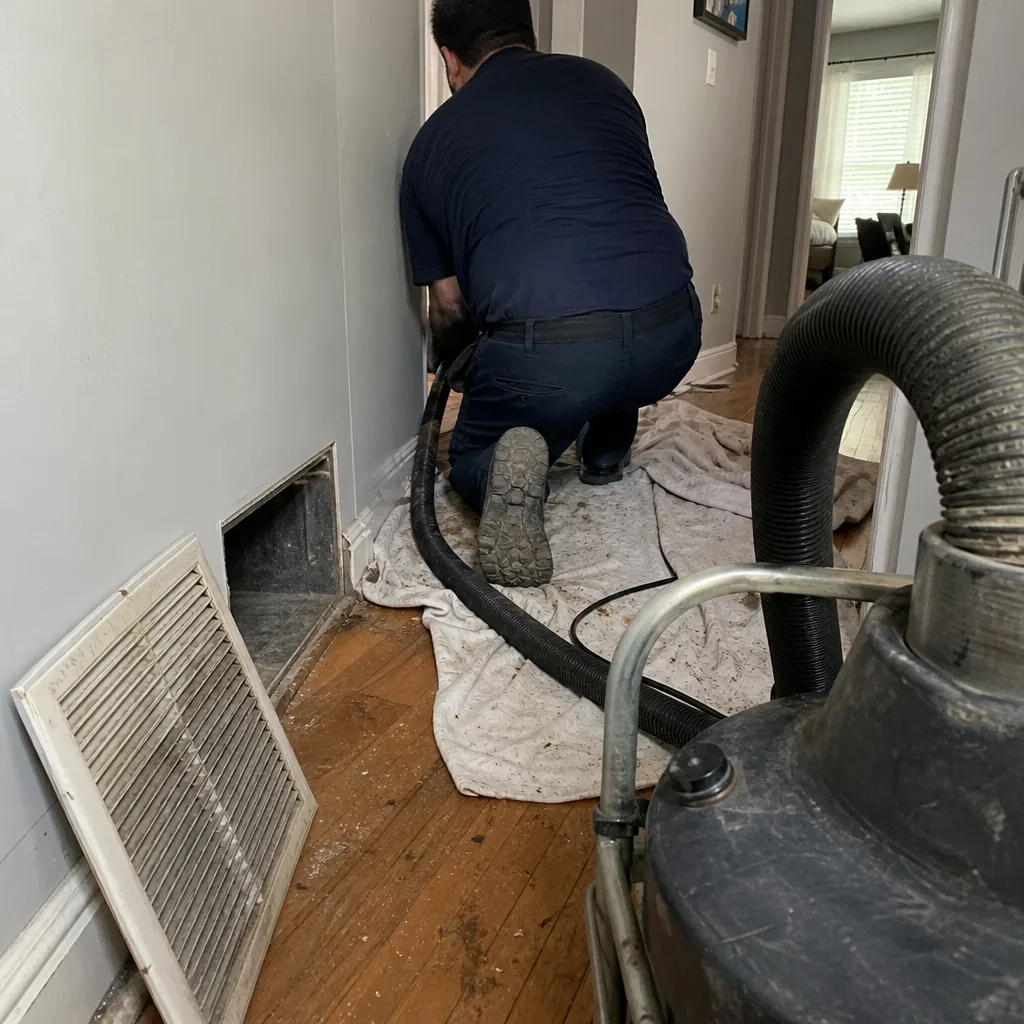 Before
 After
After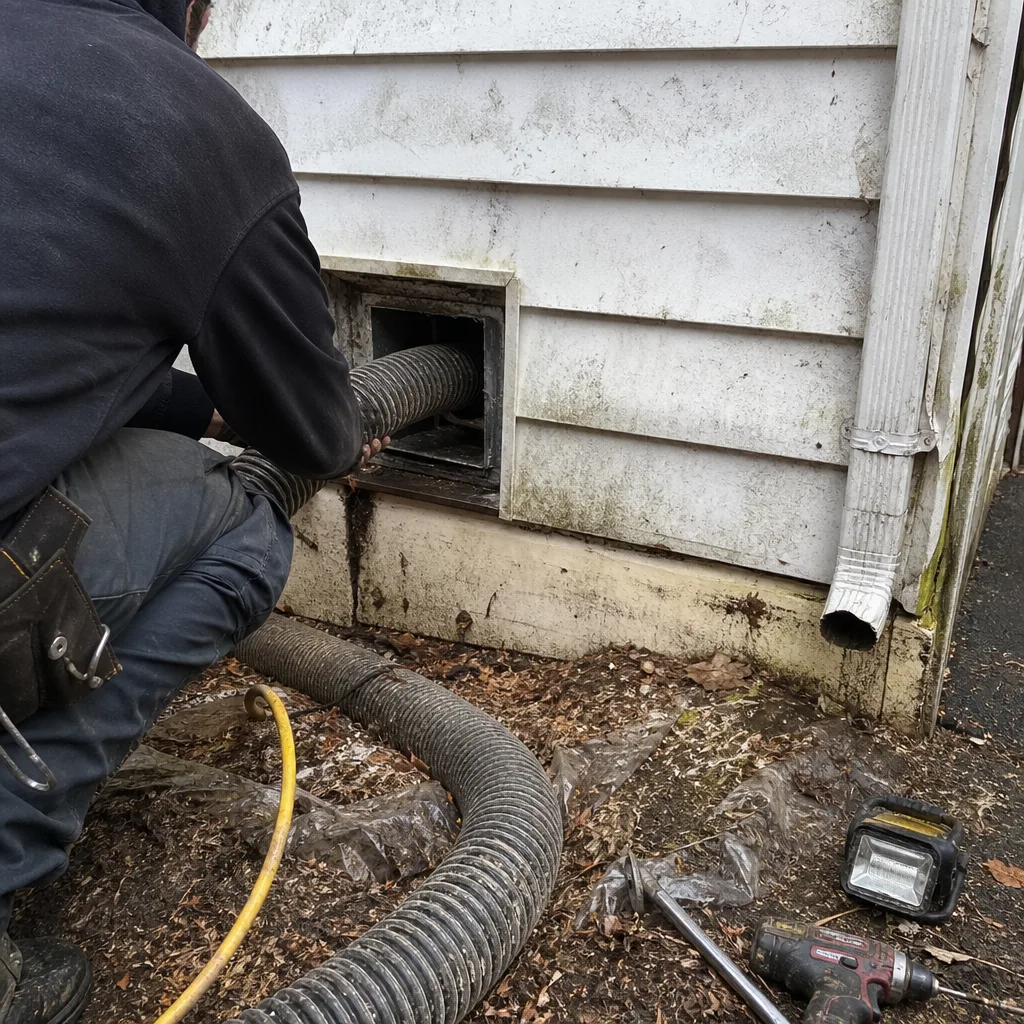 Before
 After
AfterReplacement Cost & What’s Included
In New York, most Honeywell vent sanitizing replacements run between $285 and $540 installed, depending on the model and what actually failed. A straightforward UV100A lamp swap on a residential plenum runs toward the lower end. A UV2400 ballast and lamp together will land at the higher end, because the ballast itself is the more expensive part and the wiring takes longer. If the unit was installed poorly and we need to correct mounting or sealing work while we’re in there, that adds labor roughly in line with our standard duct-access work, and we’ll tell you the number before anything starts.
Every quote includes the part, the labor, a cleaning of the quartz sleeve or viewing window if your series has one, and a written check of the system’s output after installation. We don’t do per-vent pricing and we don’t do door-step revisions. The written price is in your hands before a single tool comes out. That’s the Kingswell Guarantee, and it applies to every job we run in New York. The repair work itself carries our 365-Day Done Right Promise: if the sanitizer fails inside the guarantee period, we return and make it right at no charge, in writing, not as a courtesy.
DIY or Call Us?
There are a few checks a careful owner can do before picking up the phone. Confirm the unit has power at the switch or circuit; move the switch to the on position and see if the indicator responds at all. Write down any fault code the indicator is flashing, because that narrows the diagnosis instantly. Look at the physical lamp through the inspection window if your model has one, and note whether it’s blackened, cloudy, or just dark. These three observations mean you’ve done the useful homework, and half of our New York calls start with a customer reading us exactly that information.
What you should not attempt is a lamp or ballast swap without cutting power at the breaker and without knowing the specific lamp and ballast pairing your Honeywell model calls for. UV-C lamps contain mercury vapor. Ballast circuits hold a momentary high-voltage charge even after the unit is switched off. That’s not a scare line; it’s our crew policy. Every Kestrel technician in a New York home treats this the same way: lock out the breaker, verify with a meter, then open the housing. If you’d rather not work inside a high-voltage enclosure beside energized ductwork, call us at (585) 517-2324 and we’ll have someone out.
FAQs
The UV-C output of a Honeywell lamp drops below effective sanitizing level after roughly 9,000 hours of operation, which works out to 12 to 18 months of continuous use in a typical New York home. The lamp may still glow visibly well after that point, but the germicidal effectiveness is gone. We recommend annual output testing and a replacement at the 12-month mark if the unit runs year-round.
If the ballast has failed but the lamp is still within its service life, the ballast can be swapped and the lamp kept in service. If the lamp itself is blackened, cloudy, or past its run-hour life, there’s nothing to repair; it has to be replaced. The ballast and lamp are the only two serviceable components in most Honeywell residential units, and we stock both.
A standard Honeywell lamp swap in a residential duct system takes our technicians 45 to 90 minutes from arrival to cleanup. Adding a ballast replacement extends it to roughly two hours, because we test the wiring conditions at the junction and verify the new ballast and lamp fire correctly under load. We show up in the window we gave you on the phone, and the written summary is yours before we leave.
We carry Honeywell UV100A, UV2400, and R18-R24 lamps and ballasts on our trucks as standard stock, along with equivalent aftermarket lamps for the most common series. For less common Honeywell configurations, we’ll source the exact part through our supply network, and we give you the written price and install date before any order goes out. We also keep filters and IAQ products from Honeywell, Aprilaire, and Guardsman, and we work with systems from Lennox, Trane, and Carrier when a mixed-system home needs attention.
If your Honeywell vent sanitizer isn’t doing its job, call Kestrel Air Duct New York at (585) 517-2324. We’ll ask what the indicator is showing, give you a written price for the part and the labor, and schedule a window we actually keep.
Written by Dale Whitmore, Owner, Kestrel Air Duct New York at Kestrel Air Duct New York, serving New York and nearby areas.