
Last updated October 15, 2026
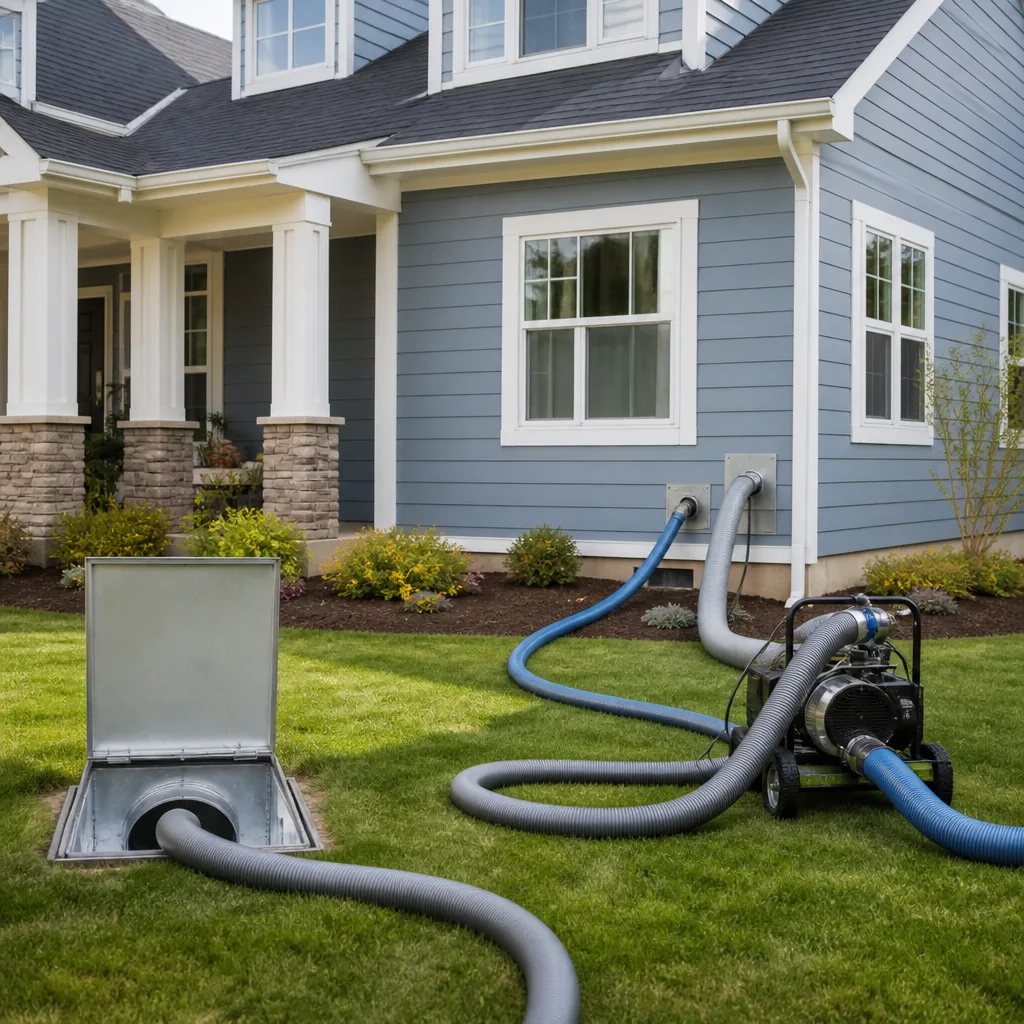 Whole-home duct cleaning
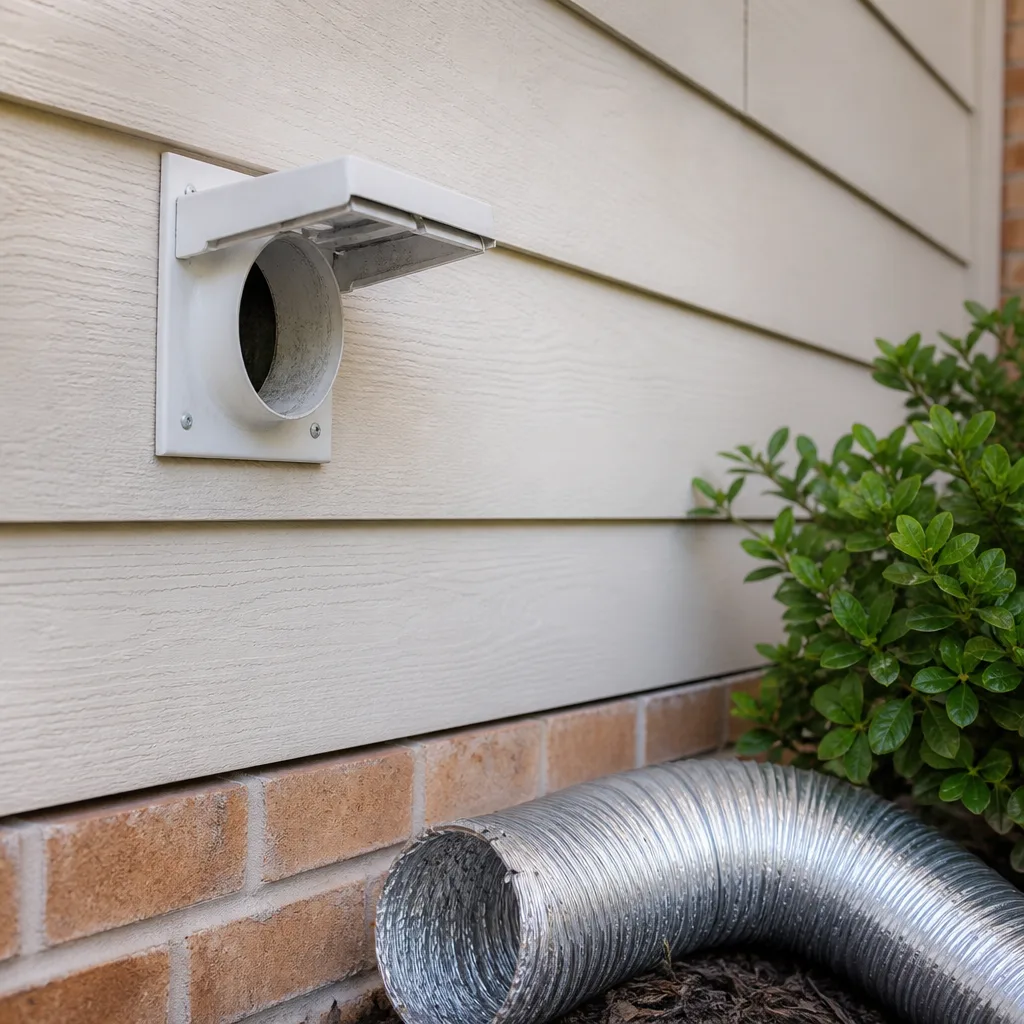 Dryer vent cleaning
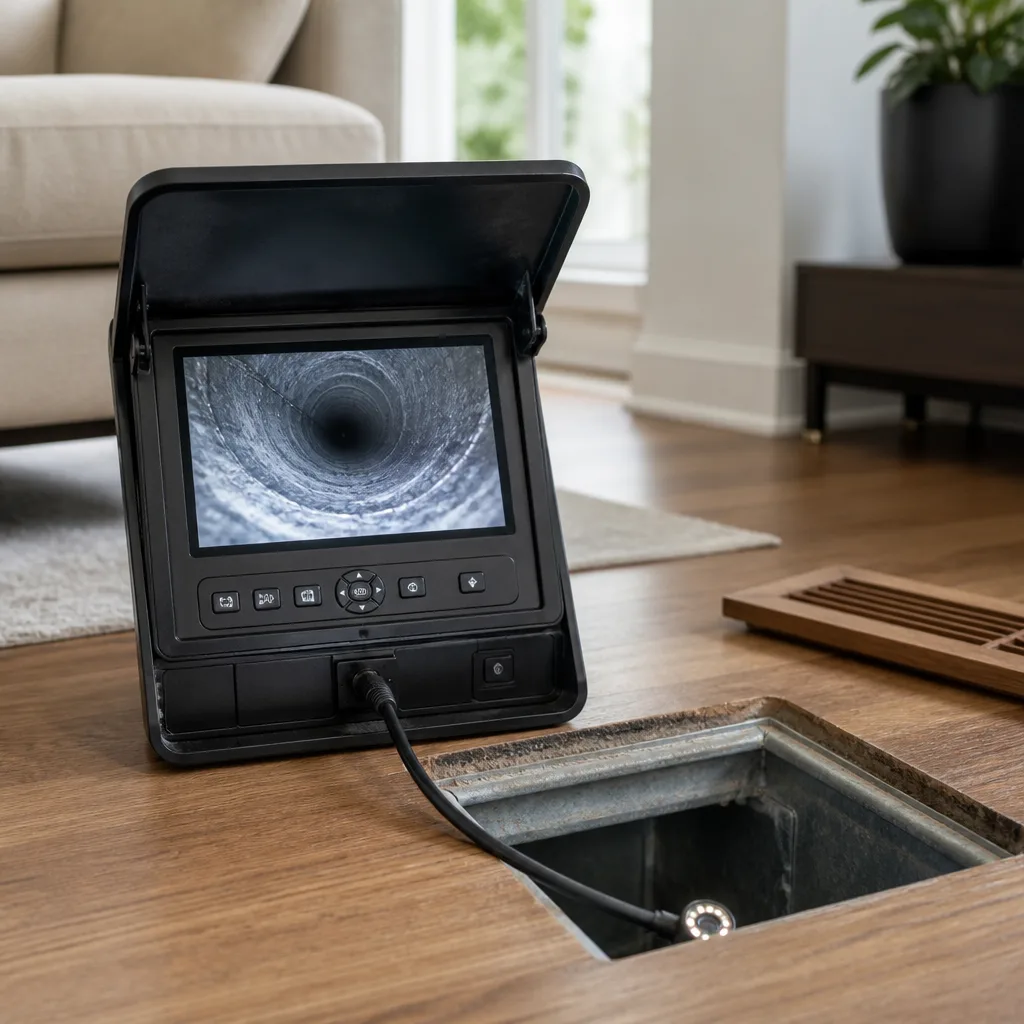 Camera inspection
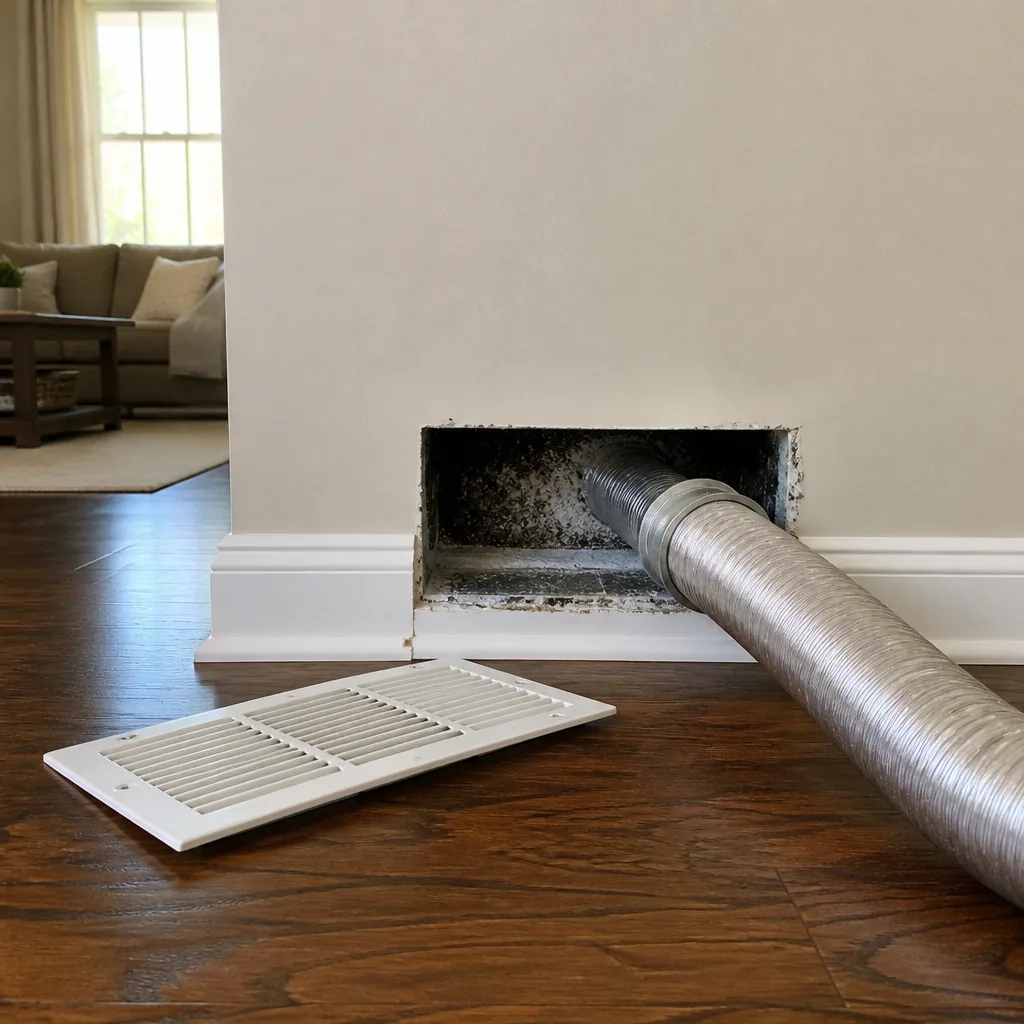 Sanitizing & deodorizing
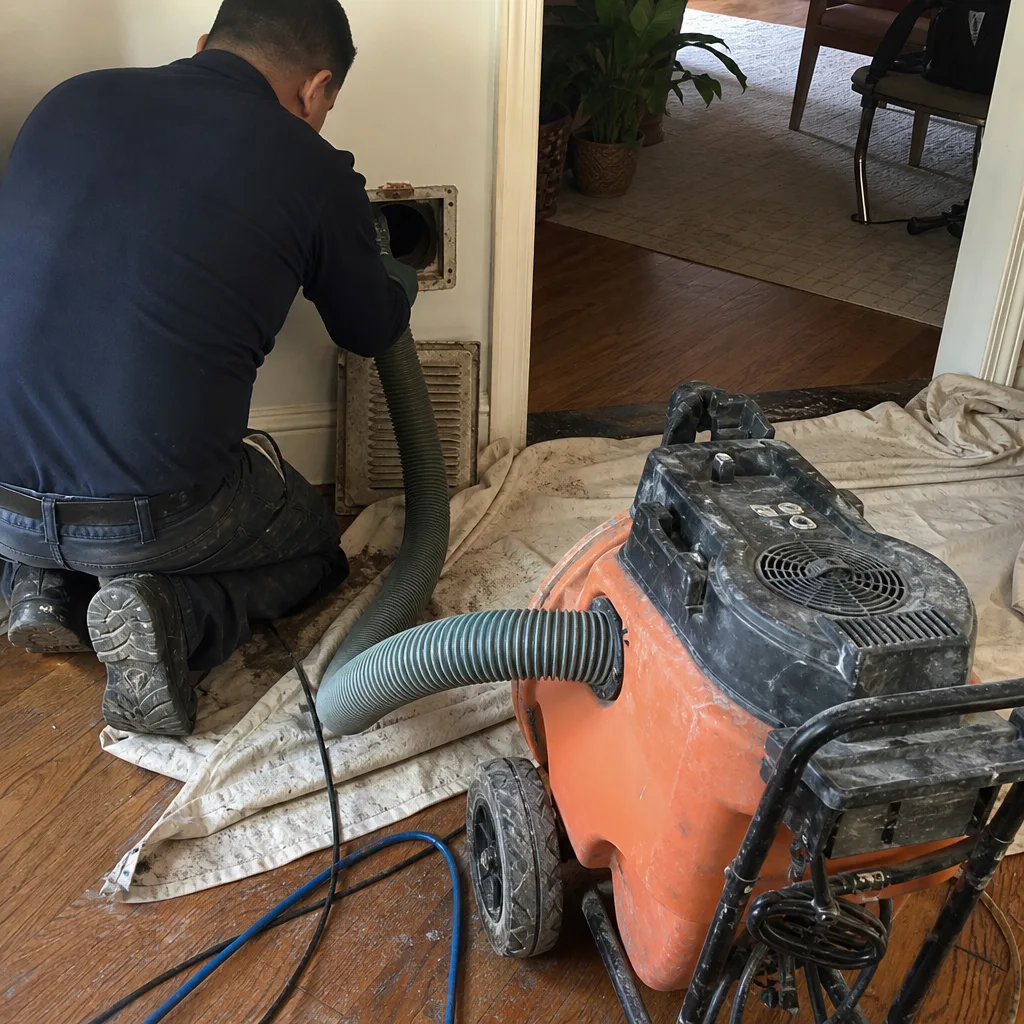
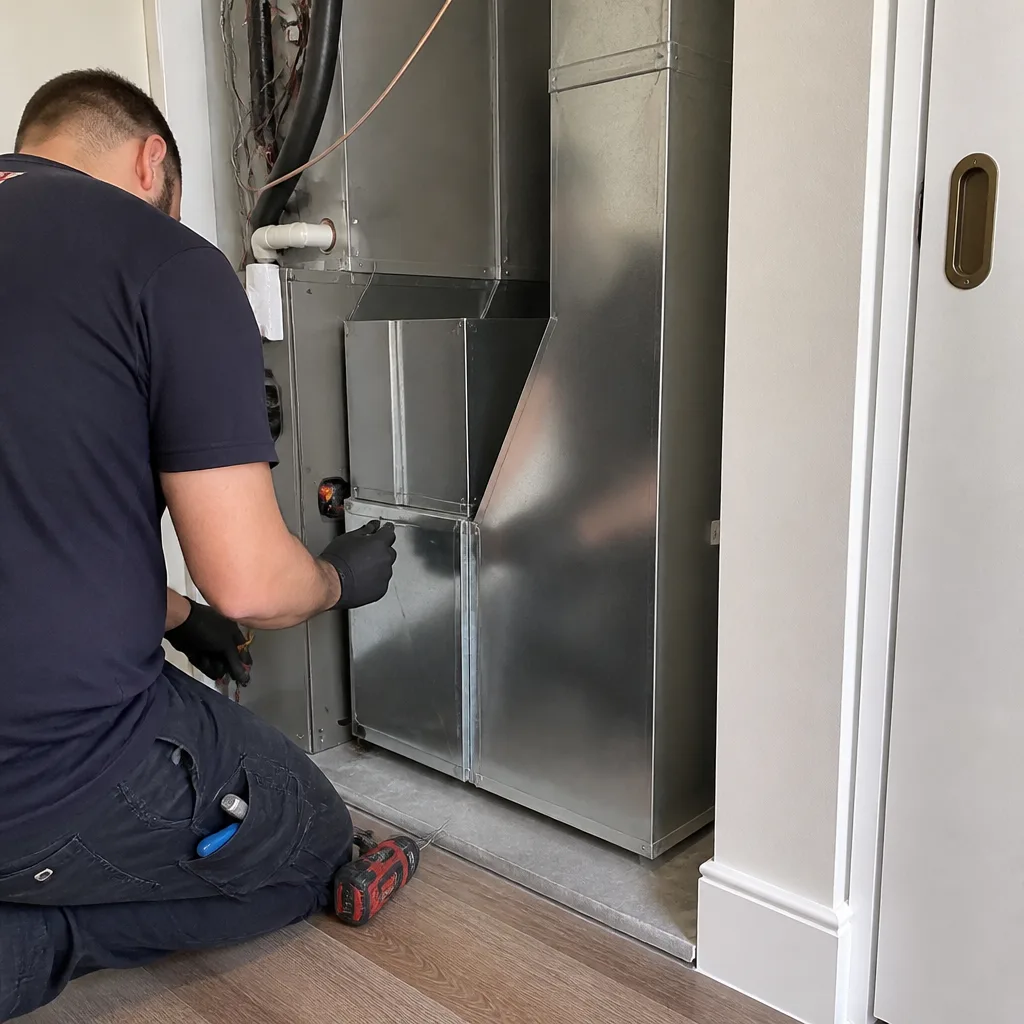
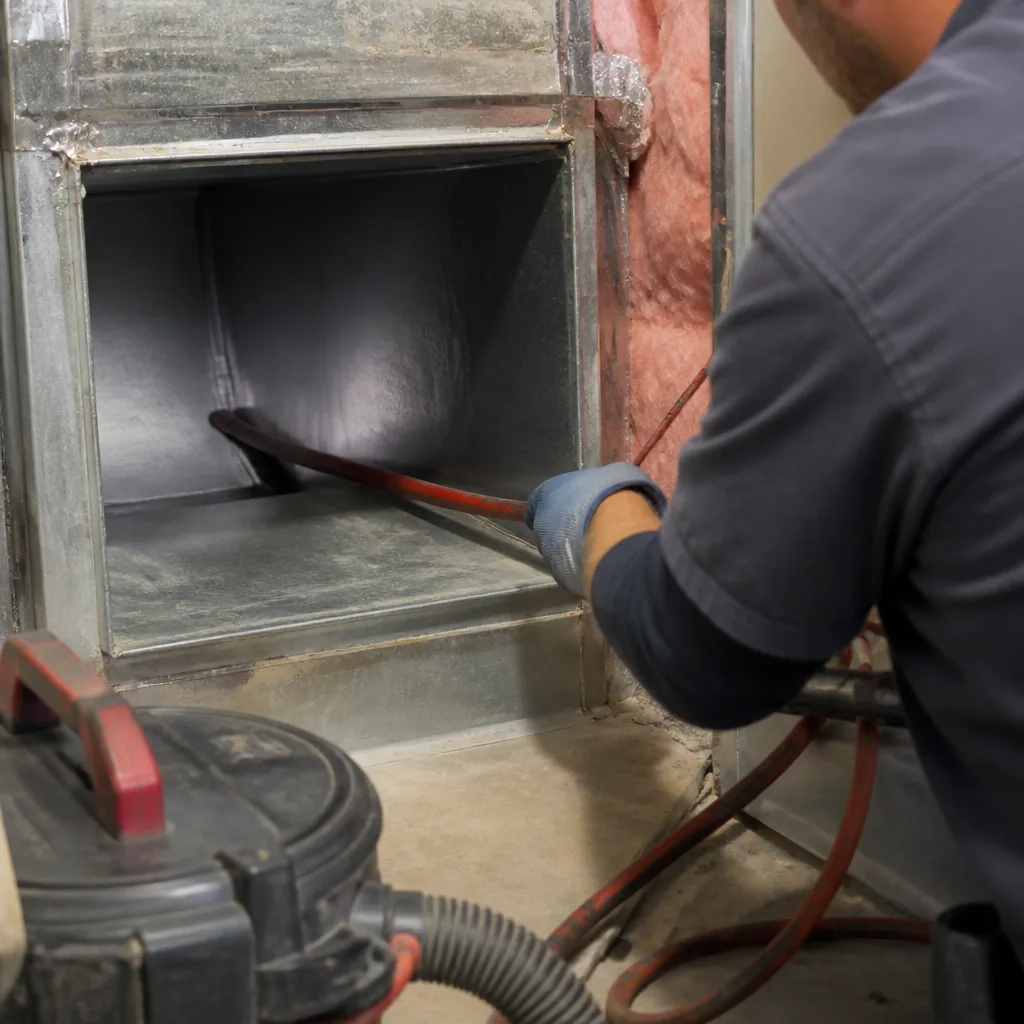
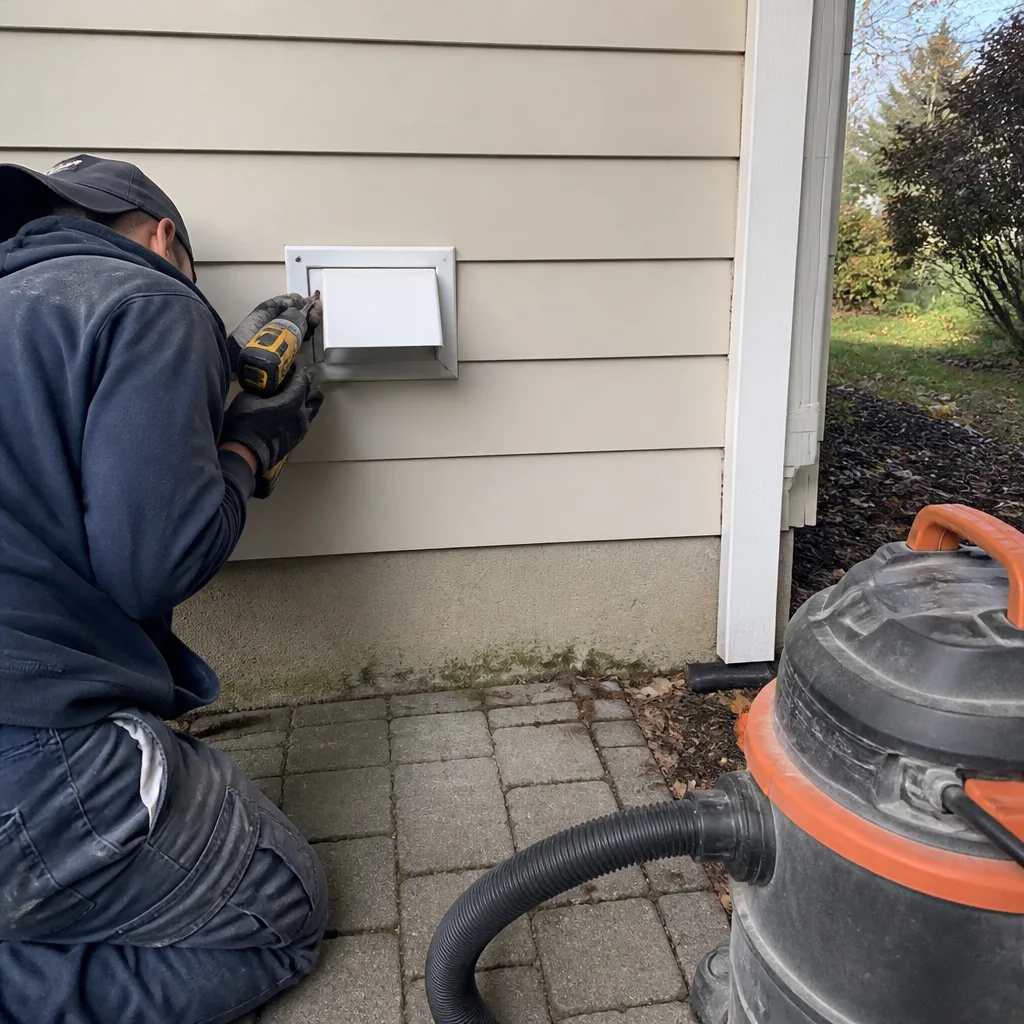
Whole-system duct and dryer vent check with before-and-after photos - you see exactly what came out of your vents
That "$99 whole-house special" is a bait ad - the real number appears once they are in your hallway, or the "clean" is a shop-vac at the register. We photograph the inside of your ducts before and after instead.
Air Duct Cleaning Warning Signs: A New York Homeowner’s Reference Guide
Here’s something most New York homeowners don’t realize: the dirtiest ducts in a building often look perfectly clean from the outside. The signs that your ductwork needs attention usually show up as patterns in your household, not as visible dust pouring from a register. A bedroom that’s always eight degrees warmer than the living room. A musty smell that only appears when the AC cycles on in June. A fine gray film on furniture that returns two days after you dust. Our Complete Guide to Air Duct Cleaning in New York walks through what those patterns mean, which ones actually point to your ducts, and which ones point somewhere else entirely. Because in New York, where buildings share walls, shafts, and exhaust streams, misreading a warning sign can mean paying for a duct cleaning that doesn’t solve the real problem.
Quick Answer
The most reliable warning signs that your air ducts need cleaning are: visible dust or debris blowing from supply registers when the system runs, a musty or stale odor that intensifies when the fan kicks on, rooms that can’t hold a consistent temperature no matter how you set the thermostat, and dust accumulation that returns within days of cleaning surfaces. In New York specifically, you also need to rule out false positives like street exhaust entering through unsealed returns or condensation in uninsulated duct runs before assuming the ducts themselves are the culprit. See our DIY vs Professional Air Duct Cleaning guide for help deciding when to call a pro.
Styles & brands we work with
Table of Contents
- Signal vs. Noise: Why New York Makes Duct Diagnosis Harder
- Visible Debris at Registers: What the Location Tells You
- Odor Problems: Duct Origin vs. Drain Pan vs. Coil
- Uneven Room Temperatures: When Ducts Are the Cause
- Dust That Returns Days After Cleaning
- New York False Positives: What Looks Like a Duct Problem But Isn’t
- How to Document Warning Signs Before Calling a Contractor
- Common Mistakes to Avoid
- When to Call a Professional
- Frequently Asked Questions
Signal vs. Noise: Why New York Makes Duct Diagnosis Harder
A standalone house in a quiet suburb gives a homeowner clean diagnostic conditions. The air around the house is relatively stable, the ductwork runs through predictable spaces, and when something smells or feels wrong, the cause is usually inside the home. New York is different. Attached buildings share wall cavities. Exhaust from a restaurant on the ground floor can travel up a chase and enter your return path. Window ACs in neighboring apartments drip condensation onto ledges that feed mold growth near shared shaft vents. Rooftop mechanical rooms on older buildings can introduce dust and debris into central riser ducts that serve dozens of units. All of this means a New York homeowner has to be more systematic than a suburban one when interpreting what their ducts are telling them.
The diagnostic question is always the same: is the problem originating in your ductwork, or is it entering the ductwork from somewhere else? Cleaning solves the first. It does nothing for the second. A technician who shows up and starts cleaning without asking where the problem started is treating symptoms, not causes.
Kestrel Air Duct New York technicians are trained to ask the diagnostic questions first: when does the smell appear, which rooms are affected, what’s on the other side of the wall where the return runs. That’s the Kestrel Air Duct New York home standard: understand the building before touching the ducts.
Visible Debris at Registers: What the Location Tells You
When you see debris at a register, the location is diagnostic information. Supply registers push conditioned air into the room. Return registers pull room air back into the system. Debris at each one tells a different story.
Debris at supply registers: This is air leaving the system. If you see dust particles, pet hair, or dark flecks blowing out when the fan runs, that debris is coming from inside the ductwork itself or from the air handler. The supply side of the system is downstream of the filter, so this is the strongest visible evidence that the duct walls are holding accumulated material and releasing it into your living space.
Debris at return registers: The return side pulls air in. Dust accumulation on a return grille is normal, especially in New York where fine particulate from street traffic works its way into interior air. A heavily caked return grille tells you the filter is likely doing a lot of work or that the return is drawing from a dust-heavy area like a hallway near the front door. But it doesn’t necessarily mean the ducts downstream are dirty. You need to look further.
What to check:
- Turn the system fan on and hold a white tissue near a supply register. If the tissue picks up visible gray or black specks within a minute, the supply ducts have material that’s being blown into the room.
- Remove one supply register cover (they usually lift off or unscrew) and look inside with a flashlight. Check the duct walls, especially the bottom surface where gravity settles material.
- Photograph what you see before you call anyone. The photo will help you describe the problem accurately and gives the technician a baseline.
In our experience, supply-side debris is the sign that most reliably predicts a genuine duct cleaning need. Return-side debris alone is more ambiguous and often just means the filter needs changing or the return duct is oversized for the system, which lets dust settle rather than get carried to the filter.
Odor Problems: Duct Origin vs. Drain Pan vs. Coil
Here’s a common New York scenario: the first hot week of June arrives, the AC kicks on, and a musty smell fills the apartment or house. An internet search tells you it’s mold in your ducts. Payment is made. The ducts are cleaned. And next June, the smell is back. Why? Because the odor was never in the ducts.
In a New York building, that musty first-cycle smell is often condensation in an uninsulated duct section running through an unconditioned space like an unheated stairwell chase or a garage ceiling. Warm humid air hits the cold duct surface, moisture forms, and dust that’s settled on the duct walls absorbs that moisture. What you’re smelling is damp dust, not mold in the duct. Cleaning removes the dust, but if the duct section remains uninsulated, condensation will form again and the smell will return with the next humid season.
How to narrow down the source before calling anyone:
- Note when the smell appears. Duct-origin odors are usually consistent when the fan runs. A smell that only appears at the start of the cooling season or after a rain event suggests condensation, not accumulated duct debris.
- Check the condensate drain pan. Most systems have a drain pan under the indoor coil. If it holds standing water because the drain line is clogged, the smell will be strongest near the air handler, not at the registers. This is a drain problem, not a duct problem.
- Check the evaporator coil. Coils that haven’t been cleaned in years grow a biofilm that smells like dirty socks. This odor is also strongest at the air handler. Cleaning the coil is a different service than cleaning ducts.
The rule of thumb: if the smell is strongest at the registers and consistent, suspect the ducts. If it’s strongest at the air handler or seasonal, suspect the drain pan, the coil, or condensation. Don’t pay for a duct cleaning to solve a drain problem.
Uneven Room Temperatures: When Ducts Are the Cause
A bedroom that runs six degrees warmer than the living room is a complaint we hear constantly in New York homes, especially in prewar buildings with retrofitted central air or in top-floor units with duct runs through hot ceiling cavities. Uneven temperatures have multiple possible causes. Dirty ducts are one of them, but only under specific conditions.
When dirty ducts cause uneven temperatures: the duct run serving the problem room has enough accumulated material on the duct walls that airflow is restricted. Think of it like a partially clogged artery. The system moves less conditioned air to that room, so the room can’t reach the set temperature. This typically builds up over years and affects the rooms at the end of the longest duct runs first, because those runs already have the lowest static pressure. If the far bedroom is always the problem room, restricted airflow from buildup is a real possibility.
When something else causes uneven temperatures:
- A closed or partially closed damper in the duct branch serving that room. Dampers exist specifically to balance airflow, and a previous occupant or technician may have adjusted one.
- A duct leak. A disconnected or torn section of flex duct in a wall or ceiling cavity dumps conditioned air into the cavity instead of the room. This is a repair issue, not a cleaning issue.
- A zone control problem. If your home has multiple zones with motorized dampers, a failed damper motor explains a room that never reaches temperature regardless of thermostat setting.
- A building envelope issue. A room with three exterior walls and old windows will always be hard to condition in a New York winter or summer. No amount of duct cleaning changes that.
When you call for Air Duct Cleaning in New York, a technician who’s doing the job properly will check airflow at each register before cleaning, not just after. The before-reading tells the story: a register moving significantly less air than its neighbors suggests restriction in that branch, which cleaning may resolve. A register moving plenty of air in a room that’s still uncomfortable suggests the problem is elsewhere.
Dust That Returns Days After Cleaning
A fine gray film that reappears on furniture within 48 to 72 hours of dusting is a warning sign, but not automatically a duct problem. In New York, where street-level particulate from traffic, construction, and building exhaust works its way into interior air through windows, doors, and unsealed building cavities, dust recurrence can come from several sources.
The duct question is about what’s in the dust. Duct-origin dust is typically grayish and fine, composed of drywall dust, insulation fibers, and years of settled household dust that’s been pulverized by air movement. If the dust appears on surfaces within hours of the system running and it’s grayish and uniform, the ducts are a reasonable suspect. If the dust is darker, sootier, or appears even when the system hasn’t run, you’re likely looking at infiltration from outside.
How to test:
- Dust a horizontal surface thoroughly (a dark tabletop or shelf works best).
- Run the HVAC fan in the “on” position for a full day, then check the surface. If the new dust appeared while the fan ran continuously, the system is distributing it.
- Run the next day with the fan in “auto.” If dust accumulates at the same rate with the fan off, the source is infiltration, not the ducts.
This test takes two days and costs nothing. It will tell you more than a contractor’s brochure can. If the fan-on condition produces noticeably more dust, the supply ducts are likely the distribution mechanism. Cleaning, combined with a filter upgrade to something like the Honeywell media filters we install as part of Dryer Vent Cleaning in New York and air duct work, addresses the problem at the source.
New York False Positives: What Looks Like a Duct Problem But Isn’t
New York’s built environment produces several conditions that mimic duct problems. Recognizing them can save you the cost of a cleaning that won’t change anything.
Street-level exhaust entering through unsealed return vents. In apartment buildings and older multi-family homes, returns are sometimes cut into baseboards or floors, with the return path running through a wall cavity shared with an adjoining unit or even a hallway connected to the street. Bus exhaust, restaurant grease odor, or cigarette smoke from a neighboring unit can enter the return path at a joint or gap and get distributed through the entire system. The odor will seem to come from the registers, which is technically true, but cleaning the ducts won’t stop the odor from entering. This is a sealing issue, not a cleaning issue.
Cigarette odor migrating through shared shafts in older buildings. In a prewar New York building, smoke from a unit two floors below can travel up through the shaft that carries your supply duct riser. The smoke doesn’t enter your ductwork directly; it lingers in the shaft and gets drawn into your return at a leak point or through a poorly sealed riser connection. Again, cleaning won’t fix it. Sealing the return path and sometimes adding filtration will.
Rooftop mechanical room contamination. Many New York buildings have rooftop mechanical rooms that house fans and air handlers serving the entire building. These rooms collect dust, pigeon debris, and construction dust from roof work. If the air handler’s intake is in a dirty mechanical room, that debris enters the system at the source and gets distributed to every unit. Your individual ducts are not the problem. The building’s mechanical room is. This is why a building-wide diagnosis is sometimes necessary before a unit-level cleaning makes sense.
Seasonal condensation odor. As covered earlier, the June musty smell is often condensation in uninsulated duct sections, not mold in the ducts. A humid New York summer plus an unconditioned chase equals damp dust smell. Insulation is the fix.
How to Document Warning Signs Before Calling a Contractor
Before you pick up the phone, gather evidence. A contractor who hears “there’s a smell and the bedroom is hot” has no way to tell whether you need ducts cleaned, a damper adjusted, or a drain line flushed. A contractor who sees photographs, knows when the smell appears, and can see which registers are affected can make a much more accurate diagnosis, and you’re far less likely to be sold work the symptoms don’t support.
Step-by-step documentation:
- Photograph every register, both supply and return. Use your phone’s flash. Capture the inside of the duct as far as the camera will reach. These photos become your baseline. If a technician later tells you something is dirty, you can compare it to your own photo.
- Record the smell pattern in writing. Note what it smells like, when it appears (on startup, only in humid weather, only when the fan runs), and where it’s strongest. This one piece of information narrows the diagnosis more than anything else.
- Map your problem rooms. Write down which rooms are uncomfortable and by roughly how many degrees relative to the rest of the home. A basic thermometer in each room for a couple of days gives you real data.
- Note equipment details. The age of the system, the last filter change, and any recent work done on the system or the building. Roof work on your New York building can introduce debris into shared shafts. Recent renovations produce drywall dust that settles in ducts quickly.
- Check the filter yourself. Pull the filter and photograph it. A filter that’s caked after a month tells you the system is pulling in heavy particulate. A filter that’s barely dirty after a year tells you something may be bypassing it entirely.
This takes about 30 minutes. It transforms you from a homeowner with a vague complaint into a customer with a documented problem. That changes the entire dynamic of the service call.
Common Mistakes to Avoid
- Assuming a coupon price covers the actual work. The air duct cleaning industry has a reputation for bait pricing in New York as much as anywhere else. A quoted price of $79 or $99 almost always covers a token cleaning of a few registers, with the real cleaning billed separately. Get the whole-system price in writing before the technician arrives.
- Cleaning ducts to fix a problem that’s actually in the drain pan or coil. The musty AC smell is the classic example. A drain pan flush and coil cleaning cost less than a full duct cleaning and actually solve the problem. A technician who doesn’t check the drain pan before recommending duct cleaning is not diagnosing.
- Skipping the before-and-after photo evidence. Air ducts are hidden by nature. The only way to verify the work was actually done is before-and-after photos of the duct interiors. A company that won’t provide them is asking you to trust a claim you can’t verify.
- Treating all dust as a duct problem. In New York, street particulate from traffic, construction dust from neighboring renovations, and building exhaust can all create dust that has nothing to do with your ducts. The fan-on/fan-off test described above will tell you whether the system is distributing the dust or the building is just dusty.
- Ignoring the return side. Homeowners check supply registers and skip returns. But if the return path is leaky, especially in an attached New York building, the system is pulling air from wall cavities and neighboring units, along with whatever dust and odor travels with it. Testing the return path matters.
- Waiting until the problem is obvious. By the time you see debris actively blowing from a register, the buildup has been accumulating for years. Dust accumulation is gradual, and a system that’s been neglected for a decade won’t be fixed by a filter change. Annual inspection of registers and the filter will catch buildup before it reaches the point of visible discharge.
When to Call a Professional
Call a professional when you’ve done the documentation work and the evidence points to the ducts: visible debris at supply registers when the fan runs, a consistent odor from the registers that isn’t seasonal, or a room at the end of a long duct run that won’t hold temperature despite the register moving noticeably less air than its neighbors. Call when the return path is leaking in an attached building and a neighbor’s smoke or cooking odor is coming through your registers. Call our air duct cleaning team when the system hasn’t been cleaned in five years or more and you’re seeing the dust recurrence pattern described above. And call when you want a written diagnosis before any work is recommended. Kestrel Air Duct New York offers free estimates in New York, and we’ll give you a written price before any work begins. Call (585) 517-2324.
Frequently Asked Questions
The most reliable indicators are visible debris blowing from supply registers when the fan runs, a musty or stale odor that’s consistent while the system operates, significantly reduced airflow at specific registers compared to others, and dust that returns within days of cleaning surfaces specifically when the fan is running. If the signs are ambiguous, document them for a few days before calling a contractor.
That first-cycle musty smell is usually condensation forming in an uninsulated duct section running through an unconditioned space, not mold in the ducts. New York’s humid early-summer air hits the cold duct surface, moisture forms, and settled dust absorbs it. Cleaning removes the dust but the smell returns unless the duct section is insulated. If the smell is strongest at the air handler rather than at the registers, check the drain pan and coil first.
Whole-system air duct cleaning in New York generally runs between $350 and $700 for a standard single-family home or apartment, depending on the number of systems, the linear feet of ductwork, and how heavily the ducts are contaminated. Companies that quote $79 or $99 whole-home cleanings are almost always pricing a partial job. Get the whole-system price in writing before anyone starts work. Call (585) 517-2324 for an exact quote based on your home’s specifics.
Lower quotes usually cover fewer services: fewer registers, no negative-air extraction, no brush agitation of the duct walls, no before-and-after photos, and no guarantee follow-up. The price difference is usually a difference in what’s actually being done inside the ducts, not a difference in overhead. Ask any company for a written description of exactly what the quoted price includes, including how many registers and whether brush agitation and negative-air extraction are part of the job.
Demand before-and-after photos of the duct interiors, taken with the same camera and the same register access points. A legitimate company will provide these without being asked twice. If the company refuses photographs, treats the request as unusual, or offers a vague “trust us,” find a different contractor. The Nikro and Rotobrush equipment we use at Kestrel Air Duct New York is designed to let technicians capture and show the duct interior at every stage of the cleaning.
For most New York homes, every three to five years is a reasonable interval, but the honest answer depends on your specific conditions. Homes near busy streets, homes with pets that shed heavily, homes with recent renovations, and buildings with shared shafts or rooftop mechanical rooms may need service more frequently. A home with good filtration and tight ducts may go longer. The filter is your early-warning system: if it’s loading up faster than it used to, the ducts are likely loading too. Call (585) 517-2324 for a free estimate and an honest assessment of whether cleaning is warranted yet.
The Bottom Line
Air duct warning signs are patterns, not single events. Visible debris at supply registers, a consistent register-level odor, rooms that can’t hold temperature, and dust that returns when the fan runs are the signals worth acting on. In New York, you have to rule out the false positives first: street exhaust through leaky returns, smoke migration through shared shafts, rooftop mechanical room contamination, and seasonal condensation. Document what you see before you call. Get the whole-system price in writing. Demand before-and-after photos. A contractor who answers the phone, shows up in the window they gave, prices the whole job upfront, and puts the guarantee in writing is worth more than any coupon. That’s the standard we’ve held since 2004, and it’s the standard your New York home deserves.
Written by Dale Whitmore, Owner at Kestrel Air Duct New York, serving New York since 2004.
See the difference
 Before
 After
After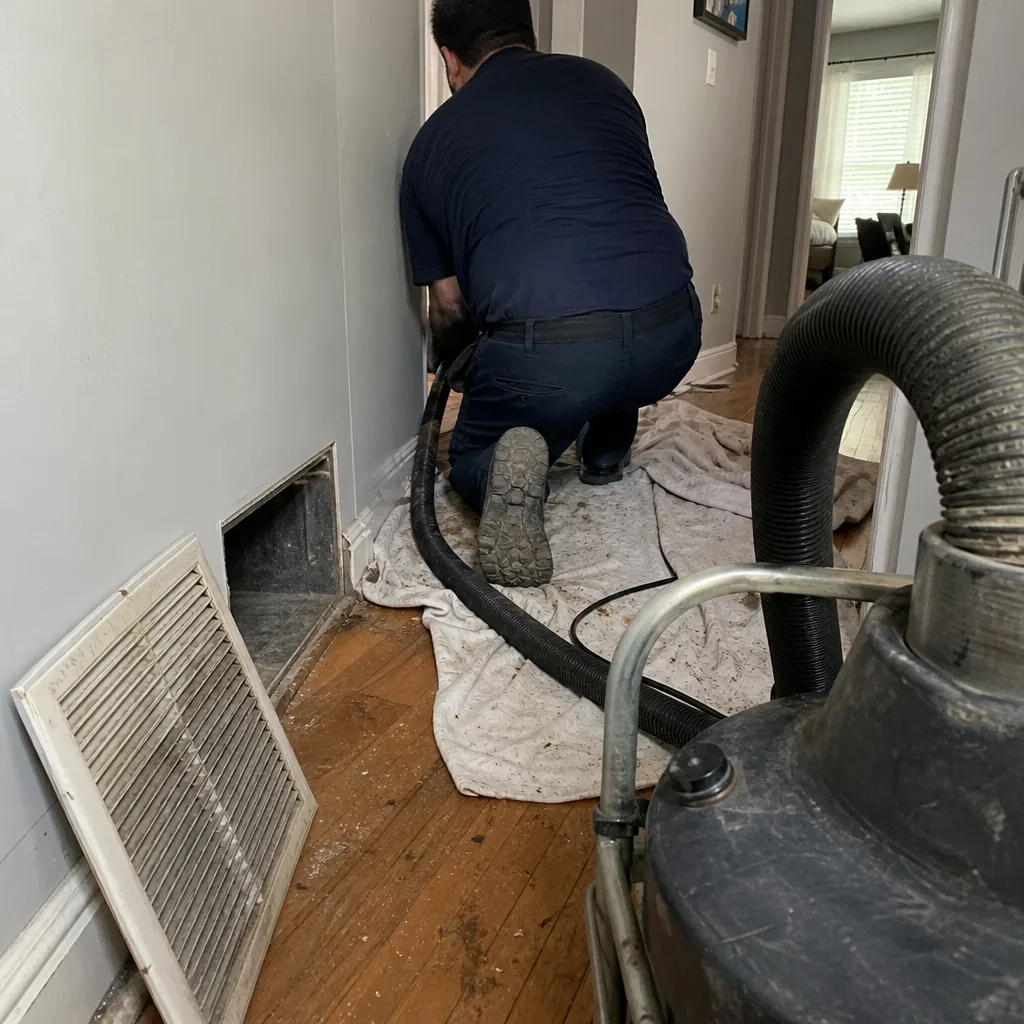 Before
 After
After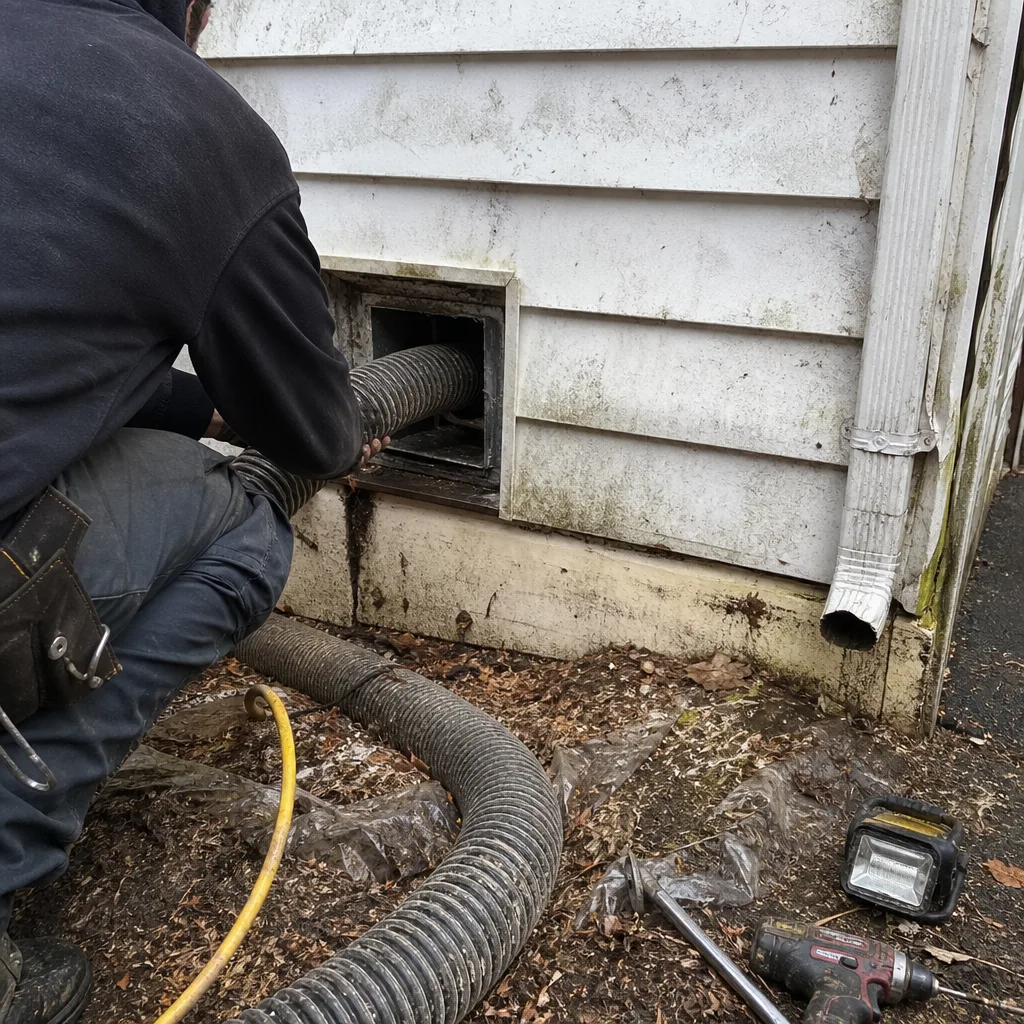 Before
 After
After