
Last updated October 15, 2026
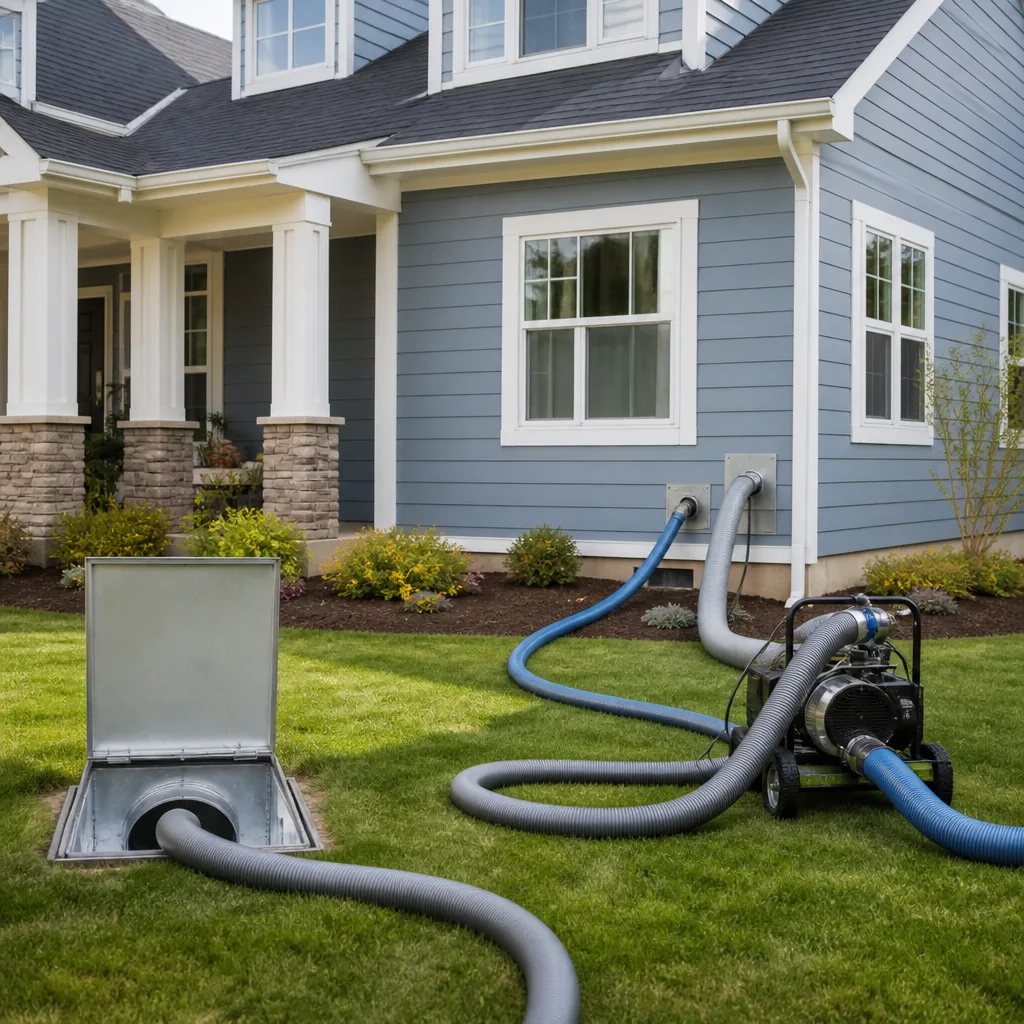 Whole-home duct cleaning
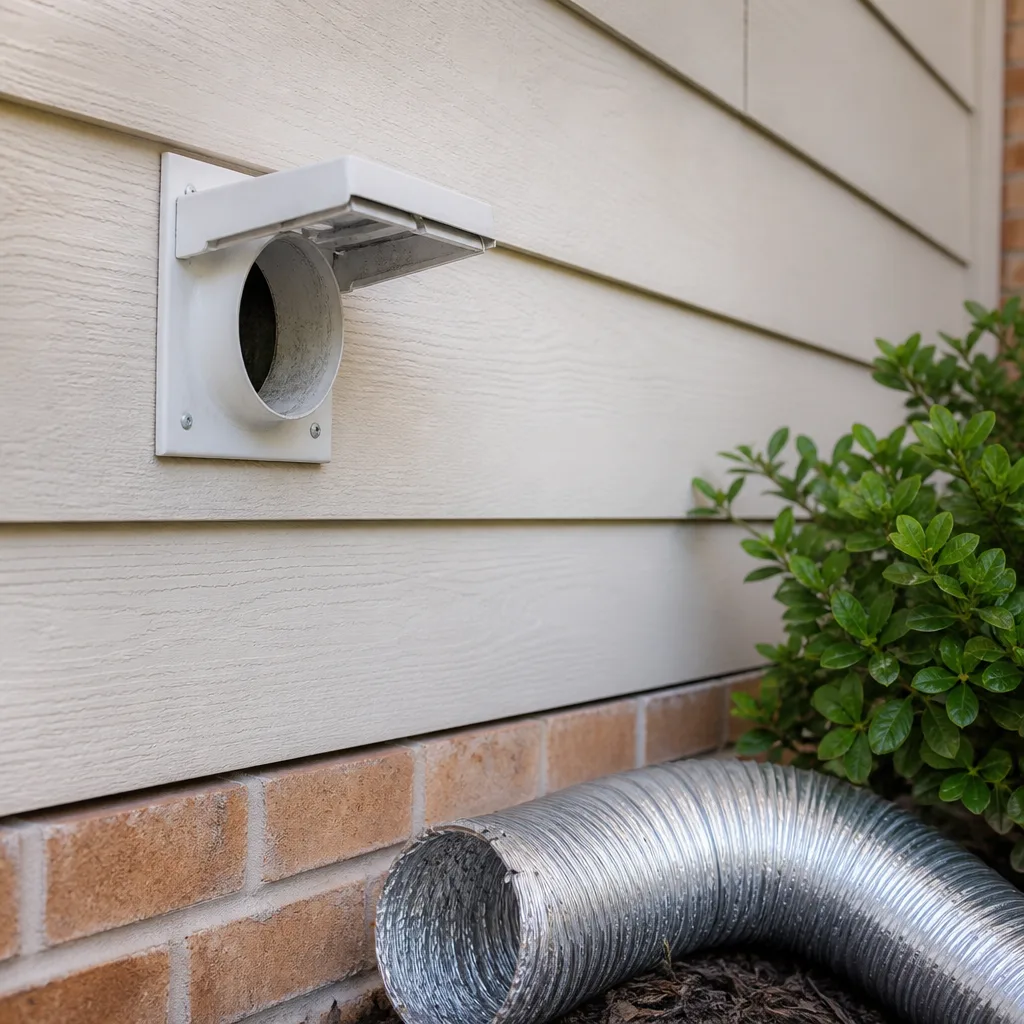 Dryer vent cleaning
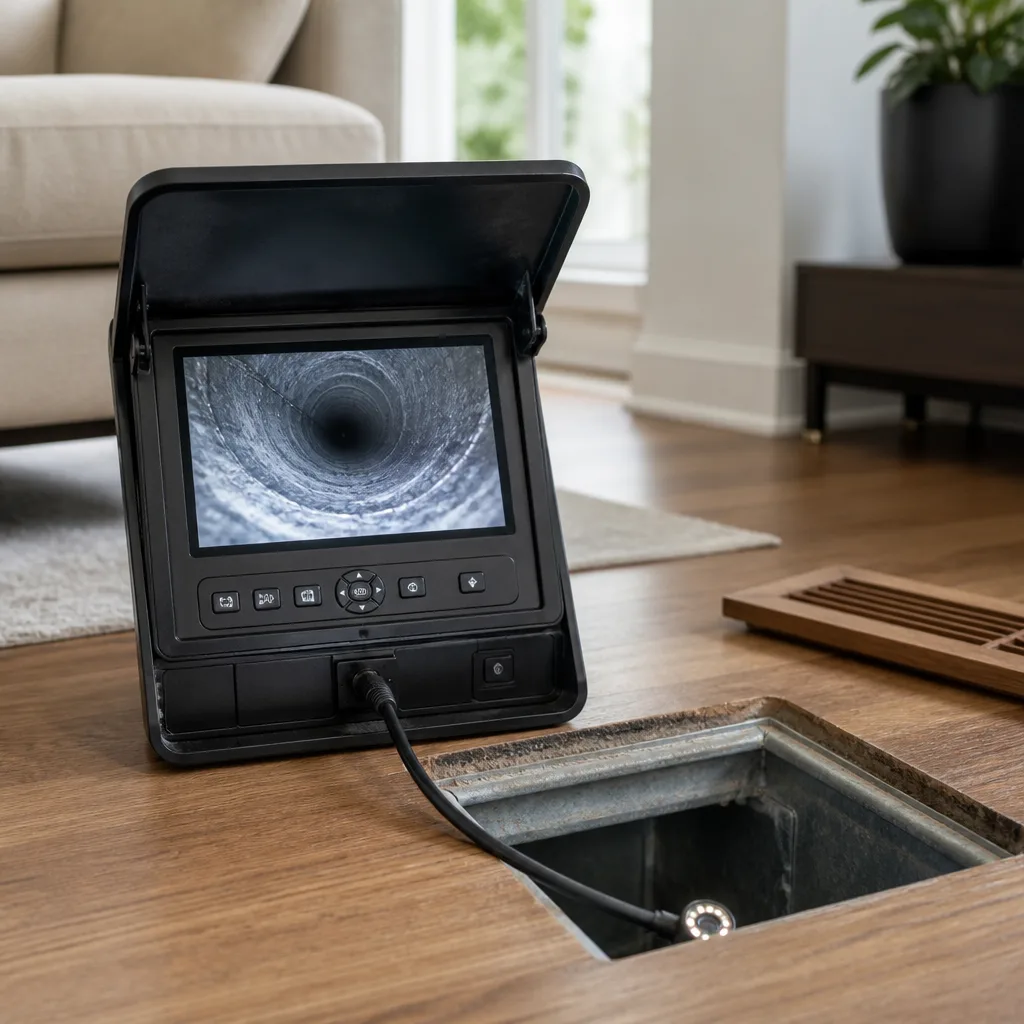 Camera inspection
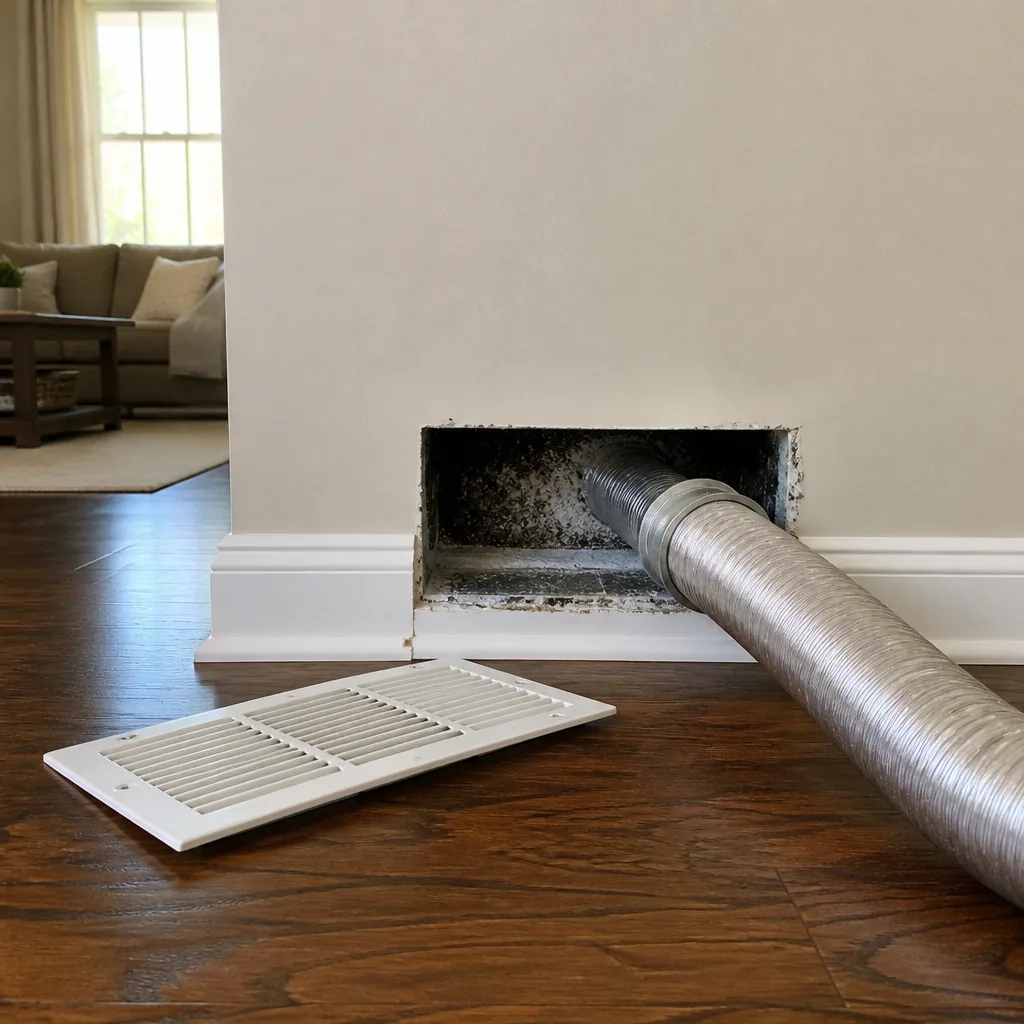 Sanitizing & deodorizing
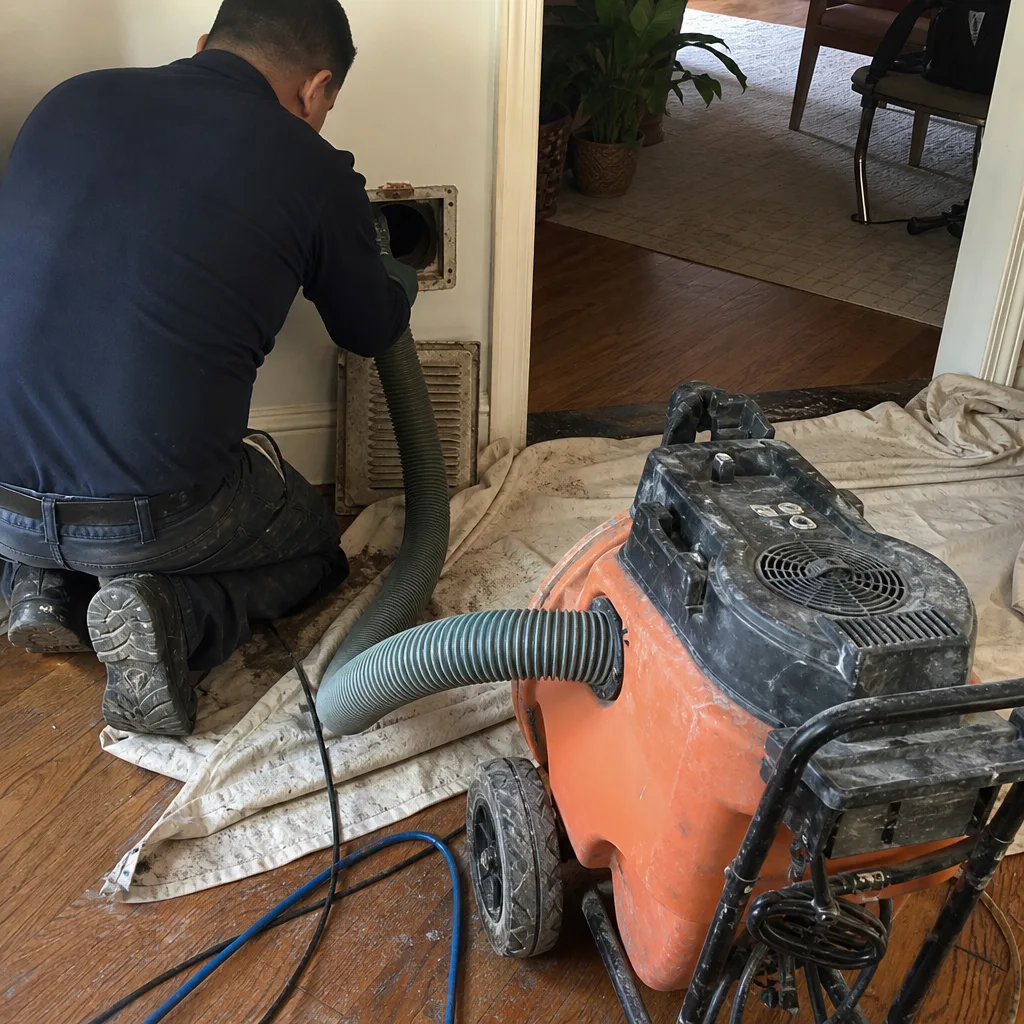
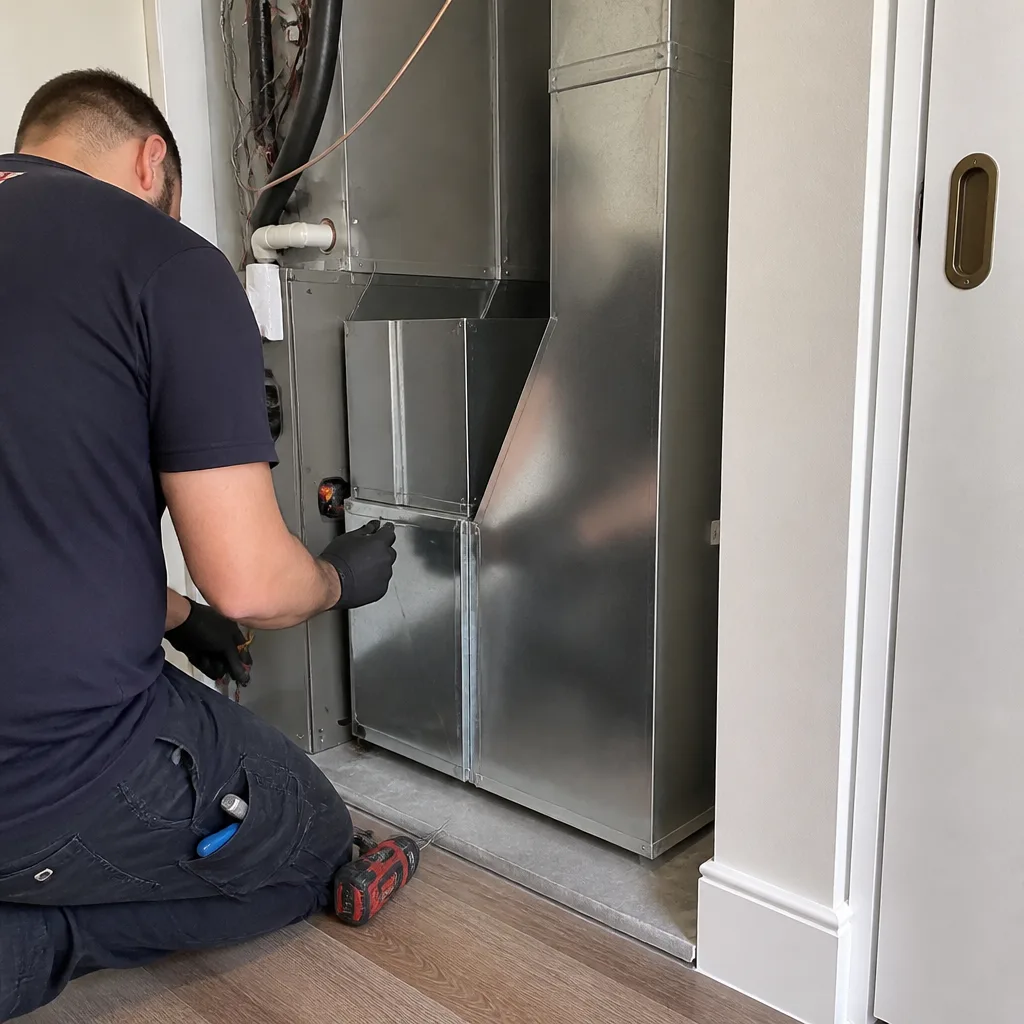
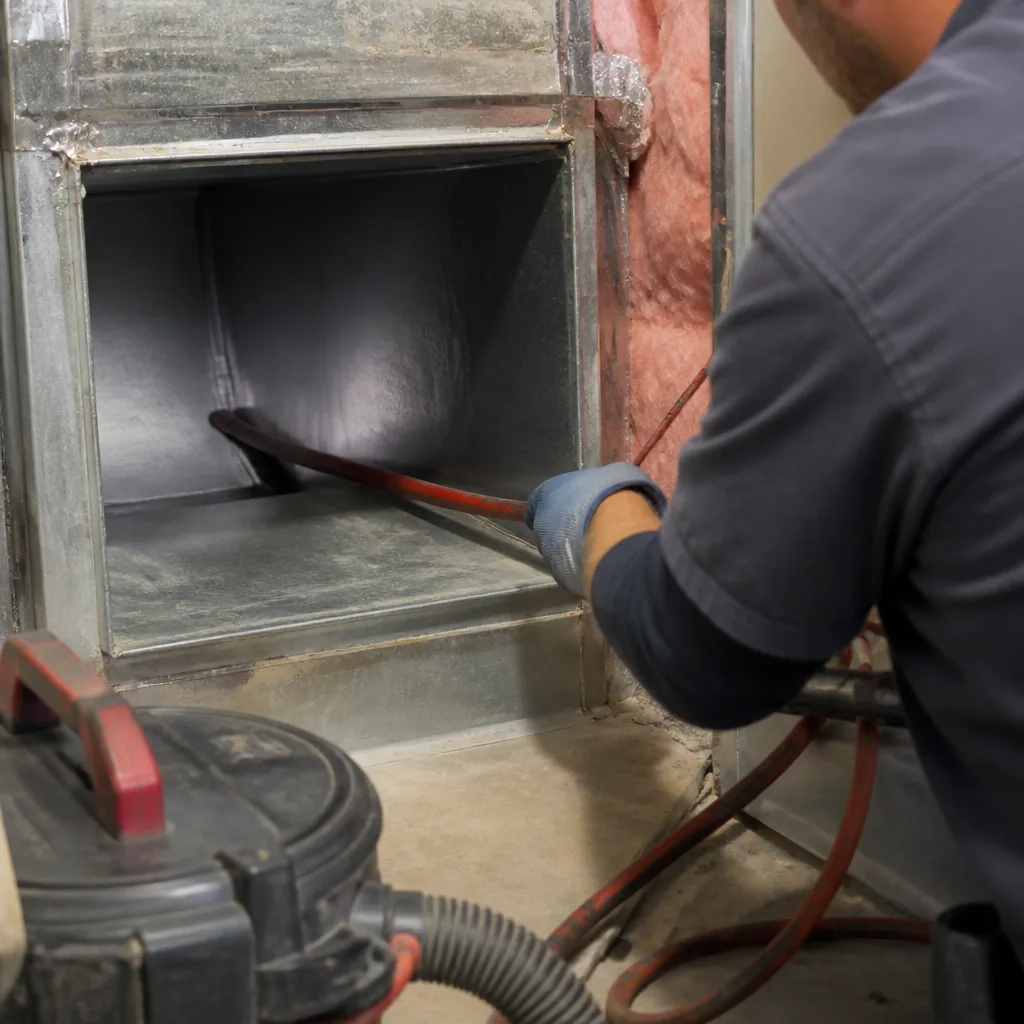
Whole-system duct and dryer vent check with before-and-after photos - you see exactly what came out of your vents
That "$99 whole-house special" is a bait ad - the real number appears once they are in your hallway, or the "clean" is a shop-vac at the register. We photograph the inside of your ducts before and after instead.
Seasonal Air Duct Cleaning Care for New York: Year-Round Homeowner’s Guide
Most homeowners schedule duct cleaning when something goes wrong – an odor that won’t fade, a spike in the electric bill, a family member’s worsening allergies. By that point, the duct system has already been running degraded for weeks. A seasonal approach catches the problem in the previous season, before it becomes a symptom. This guide walks through what New York’s four seasons actually do to your ductwork, which tasks belong in which months, and how to build a two-year cycle that means you’re always ahead of the system instead of chasing it. Along the way, we’ll give you the specific numbers our technicians see across New York homes week after week.
Styles & brands we work with
Quick Answer
Seasonal air duct cleaning in New York means timing one deep clean for late April, before central AC season starts, then inspecting for summer condensation, clearing fall construction dust from renovations and window-unit season, and checking airflow and blower load when forced-air heating runs hardest in winter. Most New York homes do best on a two-year cleaning cycle, with a full professional cleaning every other spring and targeted inspections or maintenance in the off years. Cost for a typical single-family home in New York runs between $350 and $650.
Table of Contents
- Spring: Why April Is the Highest-Value Month for Duct Cleaning in New York
- Summer: How New York Humidity Turns Duct Debris into a Mold Surface
- Fall: Construction Dust and Renovation Season – What Settles in Your Ducts in September and October
- Winter: What Forced-Air Heating Through Dirty Ducts Actually Costs You in Dollars
- How to Build a Two-Year Seasonal Cleaning Cycle That Matches New York’s Rhythm
- What Does Seasonal Air Duct Cleaning Cost in New York?
- Common Mistakes to Avoid
- When to Call a Professional
- Frequently Asked Questions
- The Bottom Line
Spring: Why April Is the Highest-Value Month for Duct Cleaning in New York
Here’s something most New York homeowners don’t realize: the best time to clean your ducts isn’t when you notice a problem. It’s the narrow window in April, after the heating season shuts down but before central AC kicks on for the summer. In our experience, this window is worth more than any other time of year. Here’s why.
All winter, your forced-air heating system has been pulling air through return vents, warming it, and pushing it back out through supply registers. That loop runs hundreds of hours between November and March. Every one of those hours, the system was also pulling in whatever was in your home’s air – pet dander, dust from sheets and upholstery, cooking grease, the fine grit tracked in from New York sidewalks. A portion of that material settles in the ductwork. By April, the ducts are carrying the full accumulated load of winter.
Then spring arrives, and New York’s tree pollen season begins in earnest. If the ducts are already loaded with winter debris, pollen doesn’t just pass through – it adds to the layer. The return vents pull outdoor air every time a door opens, and spring breezes carry pollen straight into the intake path. We’ve seen systems in New York where the return-side ductwork had visible pollen dusting by mid-May, sitting on top of the winter accumulation.
Cleaning in April solves both problems at once: it removes the winter buildup before pollen season gets serious, and it means the system is clean before the AC starts cycling humid summer air through it. Cleaning in July, by contrast, means the system has already been running degraded for two months of peak cooling demand. April cleaning is proactive. Summer cleaning is reactive.
One more practical reason April wins: it’s before the summer rush. Scheduling in late April typically means more flexibility and shorter wait times than the mid-summer call spike that hits every New York duct cleaning company when AC problems start showing up.
Summer: How New York Humidity Turns Duct Debris into a Surface Mold Can Grow On
New York summers are humid. That’s not news to anyone who’s spent a July afternoon in the city. But what that humidity does inside your ductwork is something most homeowners never think about until there’s a musty odor coming from the vents.
The mechanism is simple. Debris in a duct – dust, pollen, pet hair, skin cells – is dry. Dry debris is mostly inert. It reduces airflow and it recirculates particles, but it doesn’t create odors or biological growth on its own. The problem starts when moisture enters the picture.
During a New York summer, warm, moisture-laden air moves through ductwork every time the AC runs. If the ducts run through an unconditioned space – an attic, a crawl space, a basement that isn’t climate-controlled – the exterior of the duct can be cooler than the humid air inside it. That temperature differential creates condensation on the interior surface, exactly like a cold glass sweating on a humid day. When that condensation hits the debris layer, the debris gets damp. And damp debris is a surface mold can grow on.
There’s a check any homeowner can do themselves. On a hot, humid New York day, run the AC for twenty minutes, then shut it off and open a supply register. Look at the metal inside the register collar. If there are visible water droplets or even a sheen of moisture, the ducts are likely experiencing condensation somewhere in the system. If you also catch a musty smell from the vents – that’s the debris layer holding moisture and starting to develop biological growth.
The fix in summer is two-part: remove the debris so there’s nothing for condensation to feed, and if the condensation is recurring, address the duct insulation or the humidity level in the unconditioned space. A clean duct with a condensation problem is still a problem. A dirty duct with a condensation problem is a mold incubation chamber. The cleaning has to come first, because it’s the debris that turns humidity from an annoyance into a health concern.
This is one reason we use Nikro negative-pressure units on every Air Duct Cleaning in New York job. Negative-pressure extraction pulls loosened material out of the ducts under vacuum, so the debris we dislodge doesn’t end up recirculating through your living space while the system is sealed. In a humid New York summer, that matters – the last thing you want is damp debris spreading out of the vents.
Fall: Construction Dust and Renovation Season – What Settles in Your Ducts in September and October
September through October is construction season in New York. It’s the peak of the building and renovation calendar – contractors wrapping up exterior work before the cold sets in, interior renovations surging in apartment buildings and brownstones, and sidewalks torn up across the city. That’s true in Manhattan, in the outer boroughs, and in every New York suburb where deck and addition projects race the coming frost.
What most homeowners underestimate is what construction dust does to an HVAC system. Construction dust is not household dust. The fine powder from concrete cutting, drywall sanding, and plaster work is much denser and finer than the organic dust that builds up from normal living. Household dust tends to stay suspended and gets caught by the filter. Construction dust is heavy. It settles fast, and once it settles, it packs down. In a duct system, that means it accumulates low in the return runs and in the plenum, places where normal dust doesn’t build up the same way.
Here’s the thing: even if the construction is next door, not inside your home, your HVAC system is pulling air from somewhere. A renovation in the building next door or the unit above you generates dust that finds its way into the shared environment. If your return vents are pulling that air, the dust gets into the ducts. In apartment buildings, this is especially common – a renovation three floors up can push fine dust through the building’s air shafts and into every connected system.
Fall is also the tail end of window-AC season in New York. Window units pull outdoor air directly through the room, and whatever construction dust is in the air near the window gets pulled into the living space. Then, when the window units come out in October and the central system takes over for heating season, the system starts pulling all of that settled dust into the returns. The sequence matters: the dust gets into the living space during September, settles into carpets and furniture through October, and then the heating system starts pulling it into the ductwork in November. That’s why the fall inspection is about catching the dust before the heating season starts moving it through the system for six straight months.
A fall inspection doesn’t need to be a full cleaning every year. In most New York homes, it’s a visual check: look at the return grilles, check the filter, maybe have a technician inspect the main supply trunk. But if there’s been nearby construction – especially if the building envelope was opened up or any concrete was cut – assume the ducts picked up a debris load and plan a cleaning before the depths of winter.
Winter: What Forced-Air Heating Through Dirty Ducts Actually Costs You in Dollars
Let’s be concrete about what dirty ducts cost in the winter. This isn’t about percentages and efficiency curves. It’s about dollars on the New York electric and gas bill.
When a forced-air heating system pushes warm air through ducts with a built-up debris layer, two things happen. First, the debris layer narrows the effective diameter of the duct run. The blower motor has to work harder to move the same volume of air through a constricted passage. That increased load on the blower motor draws more electricity. The blower runs hundreds of hours over a New York heating season, so even a modest increase in motor load shows up on the bill every month. Second, warm air moving through a dirty duct transfers less heat to the rooms it’s supposed to heat. The debris layer acts as insulation on the duct interior, meaning the furnace has to run longer to hit the thermostat set point. Longer furnace run time is more gas or oil burned, and that’s the biggest line item on most winter heating bills.
What does that translate to in real numbers? The Department of Energy’s guidance on HVAC efficiency is honest that a dirty system runs less efficiently, but the actual range varies by home size, duct configuration, and how much debris is in the system. In our experience with New York homes, a system with significant debris buildup is usually running 15 to 20 percent above where it should be on monthly heating costs. For a typical New York single-family home spending $250 to $350 a month on heating in midwinter, that’s $40 to $70 a month going out the window. Over a five-month heating season, it’s $200 to $350. For what most homes pay for a full duct cleaning – $350 to $650 depending on home size – the cleaning can pay for itself within one or two heating seasons, before you even account for the air quality and equipment longevity benefits.
There’s a second winter cost that doesn’t show up on the bill: wear on the blower motor. A blower motor fighting a constricted duct system runs hotter and cycles harder. Blower motor replacement on a New York home typically runs $600 to $1,200 installed. That’s a cost a seasonal cleaning schedule helps you avoid, because the motor isn’t running against a debris load all winter.
How to Build a Two-Year Seasonal Cleaning Cycle That Matches New York’s Rhythm
The annual cleaning model most people assume is the standard doesn’t match how New York homes actually behave. Most homes don’t need a full professional duct cleaning every single year. They need a full cleaning every other year, with specific inspections and light maintenance in the between years. Here’s the two-year cycle we recommend for New York homeowners.
- Year One, April: Full professional duct cleaning. This is the deep clean – negative-air extraction, brush agitation of the supply trunks and main runs, cleaning of the return drops, and a check of the plenum and blower housing. This clears the winter accumulation and sets the system clean for pollen and AC season. This is also the year to review the filter setup and consider upgrading to a higher-MERV filtration product if anyone in the home has seasonal allergies.
- Year One, September – October: Visual inspection. Look at the return grilles. If there’s been nearby construction or renovation, open a supply register and inspect what’s visible inside the duct collar. Most Year One fall seasons don’t need a second cleaning – the April clean should still be holding, unless there was significant construction dust.
- Year One, December – January: Filter check at the winter solstice. New York heating season peaks between late December and February. Change the filter on schedule, regardless of what the packaging says the nominal life is. The system is running more hours per day than any other time of year.
- Year Two, April: Inspection and light service. If the Year One cleaning was thorough and no major debris introduced itself (no renovations, no pets added, no water intrusion), Year Two April is an inspection and filter upgrade year, not a full cleaning. Check the main supply trunk, the return drops, and the blower housing. Clean the return grilles if needed.
- Year Two, September – October: This is the usual second full cleaning. Remember, Year Two fall means the system has run two full heating seasons since the last deep clean. The two-season debris cycle is the real rhythm for most New York homes. Time the full clean for fall construction season, and the system starts winter clean.
- Year Three, April: Repeat the cycle. The schedule means the system gets a full professional cleaning every other year, with inspections in between. It aligns the cleanings with the two biggest debris-loading seasons – winter heating and fall construction – instead of defaulting to a calendar date.
This isn’t a rigid rule for every home. Homes with multiple pets, homes in older buildings with leaky ductwork, homes near active construction, and homes with allergy-sensitive occupants often need full-year cleanings. But the two-season rhythm is the baseline that matches how New York homes actually accumulate debris.
What Does Seasonal Air Duct Cleaning Cost in New York?
Let’s put the numbers on the table. In New York, a professional air duct cleaning for a typical single-family home runs between $350 and $650. Larger homes – 4,000 square feet and up, or homes with complex multi-zone systems – run $650 to $900. Smaller apartments and condos typically run $250 to $400. These ranges assume a proper cleaning, not a quick vacuum-out: brush agitation of the supply trunks, negative-pressure extraction, and cleaning of the return side, not just the visible registers.
Here’s the cost breakdown in line-item terms, based on what our technicians see across New York:
| Service Component | Typical Range | What It Includes |
|---|---|---|
| Full system cleaning, single family home (up to 3,000 sq ft) | $350 – $650 | Supply and return cleaning, negative-air extraction, register cleaning, blower inspection |
| Large home / complex multi-zone system (3,000+ sq ft) | $650 – $900 | Extended run lengths, multiple return drops, longer service time |
| Apartment / condo (single system) | $250 – $400 | Shorter duct runs, typically fewer returns and supplies |
| Additional service: dryer vent cleaning | $89 – $175 | Complete vent run from dryer to exterior termination |
One thing to know: we give every homeowner a written price before we touch a single vent. That’s the Kingswell Guarantee, and it’s been the standard since 2004. If the price we quote is the price you pay – no surprises after the work starts, no “found something extra” upsell at the door. Dale Whitmore, our owner, has held that line since the first job.
We also put the work in writing after it’s done. Every job comes with a 365-Day Done Right Promise, documented on the invoice. If the work falls short within the guarantee period, we return and make it right at no charge. That’s not a vague satisfaction pledge – it says what it covers and how you invoke it, in writing, on every single visit.
For a full breakdown of what a cleaning includes and what it doesn’t, see our Air Duct Cleaning in New York page.
Common Mistakes to Avoid
- Scheduling cleaning only when there’s a symptom. If you wait for the musty odor or the allergy flare-up, the system has been running degraded for weeks or months already. Symptoms are a lagging indicator. Seasonal timing is a leading indicator.
- Assuming the filter handles everything. A standard 1-inch filter catches some of what passes through it, but it doesn’t stop debris from settling in the return drops and the supply trunks. The filter protects the equipment; it doesn’t clean the ducts.
- Cleaning in summer as a default. Summer cleaning is reactive – it often happens because the AC is struggling or there’s an odor. April cleaning is proactive, clears the winter load before pollen season, and avoids the summer rush. If you only clean once, make it April.
- Ignoring condensation. Moisture inside the ducts isn’t just a nuisance – it’s the trigger that turns dry debris into a mold-friendly surface. In New York summer humidity, a condensation problem left unaddressed will undo the benefit of a cleaning within months.
- Using window-unit season as an excuse to skip central maintenance. Window units pull outdoor air directly into the room, which means all the pollen and construction dust that enters through the window settles into the living space. When the window units come out and the central system takes over, all of that settled dust starts moving through the ducts. Fall inspection isn’t optional in New York.
- Falling for the $99 whole-house special. A cleaning priced far below the market range is usually a bait-and-switch – a low number to get the van in the driveway, then a “necessary add-on” that triples the actual invoice. In New York, a proper full-system cleaning costs $350 to $650 for a typical home. Anyone quoting $99 for the same work is not doing the same work.
- Not getting the guarantee in writing. If the company won’t put the guarantee on paper, it isn’t a guarantee. A real warranty says what it covers, how long it lasts, and what the customer needs to do if something fails. Ours does, and it’s on every invoice.
When to Call a Professional
Call a professional when the visual checks turn up something you can’t fix with a filter change: visible moisture inside the register, a persistent musty smell from the vents, dust blowing out of the registers when the system kicks on, or a return grille that’s carrying a visible coating of debris. Also call if there’s been renovation work in or near the home – the fine dust from drywall and concrete work settles deep and won’t come out with a vacuum. And call if the ducts haven’t been professionally cleaned in more than three years, regardless of symptoms. Kestrel Air Duct New York home page has more on what our process looks like. Kestrel Air Duct New York offers free estimates in New York – call (585) 517-2324 and a live person answers, 24/7, not a voicemail queue.
Frequently Asked Questions
Most New York homes do best with a full professional cleaning every two years, timed for April before pollen season and fall construction season, with inspections and filter changes in the between years. Homes with multiple pets, ongoing renovations nearby, or allergy-sensitive occupants often need annual cleanings. Call (585) 517-2324 and we’ll tell you honestly whether your home needs the full cleaning this year or just an inspection.
For a typical single-family home in New York, a proper full-system cleaning runs $350 to $650. Apartments and condos typically run $250 to $400, and large homes with multi-zone systems run $650 to $900. Any quote far below that range is usually a bait-and-switch. Call (585) 517-2324 for an exact written quote – estimates are free, and the price is in your hands before any work starts.
Because they’re not doing the same work. A $99 or $149 special typically covers a quick vacuum of the visible registers, not a full system cleaning with brush agitation and negative-pressure extraction. The company makes its profit on the “add-ons” it discovers once it’s in your home. Kestrel Air Duct New York has given a written price before any work begins since 2004 – the Kingswell Guarantee, no exceptions.
Ask for before-and-after photos of your ducts. A legitimate cleaning company using professional-grade equipment like Rotobrush rotary brush systems and Nikro negative-pressure units can show you exactly what the ducts looked like before and after. If a company refuses to provide photos, that’s a red flag. Every Kestrel job includes before-and-after documentation of your registers, supply runs, and return drops.
For many homes, yes – removing accumulated pollen, dust, and pet dander from the duct system means the HVAC isn’t recirculating those particles through the living space every time it cycles. The effect is strongest in spring pollen season, when the ducts have accumulated a winter’s worth of debris. For allergy-sensitive homes, we recommend upgrading to a higher-MERV filter product from Honeywell or Aprilaire between professional cleanings. Call (585) 517-2324 to talk through what would work for your home.
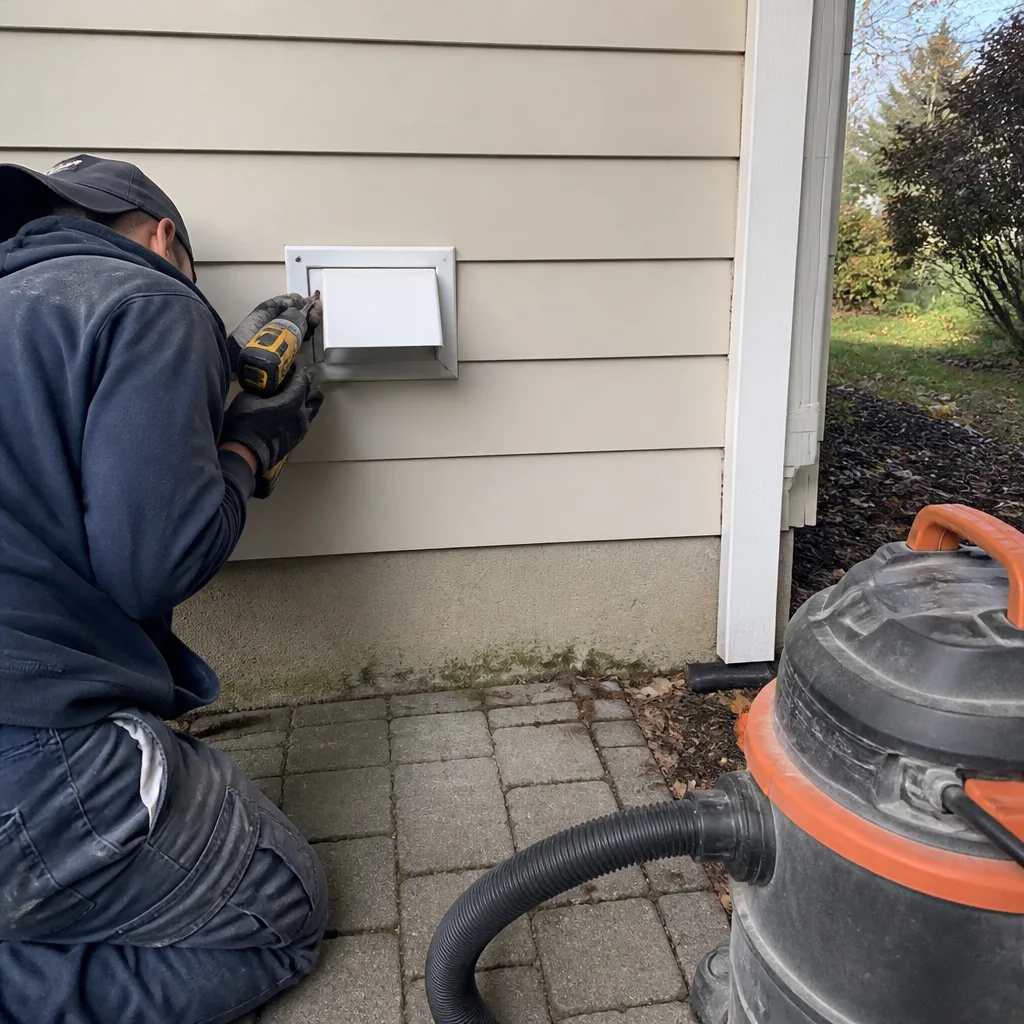
It’s a separate service, and we recommend it annually regardless of the duct cleaning schedule. A clogged dryer vent is a fire hazard and makes the dryer run longer and hotter. We offer Dryer Vent Cleaning in New York as a standalone service, and many homeowners schedule it on the same visit as their duct cleaning to save a trip charge. In New York, where dryer vents often run long distances through walls to reach exterior terminations, annual cleaning is the smart schedule.
The Bottom Line
New York’s four seasons each put a different demand on your ductwork: winter heating loads the system with debris, spring pollen adds to it, summer humidity threatens mold growth, and fall construction dust brings heavy particulate that settles deep. A single annual cleaning can’t catch all four. A two-year seasonal cycle – full clean in Year One April, Year Two fall, with inspections in between – matches the rhythm of how New York homes actually live. Every Kestrel job comes with a written price before work starts, before-and-after photos, and the 365-Day Done Right Promise in writing. That’s been the standard since 2004, and it’s the standard on every visit. If you’re in New York and want to know where your ducts stand heading into the next season, call (585) 517-2324. A live person answers.
Written by Dale Whitmore, Owner at Kestrel Air Duct New York, serving New York since 2004.
See the difference
 Before
 After
After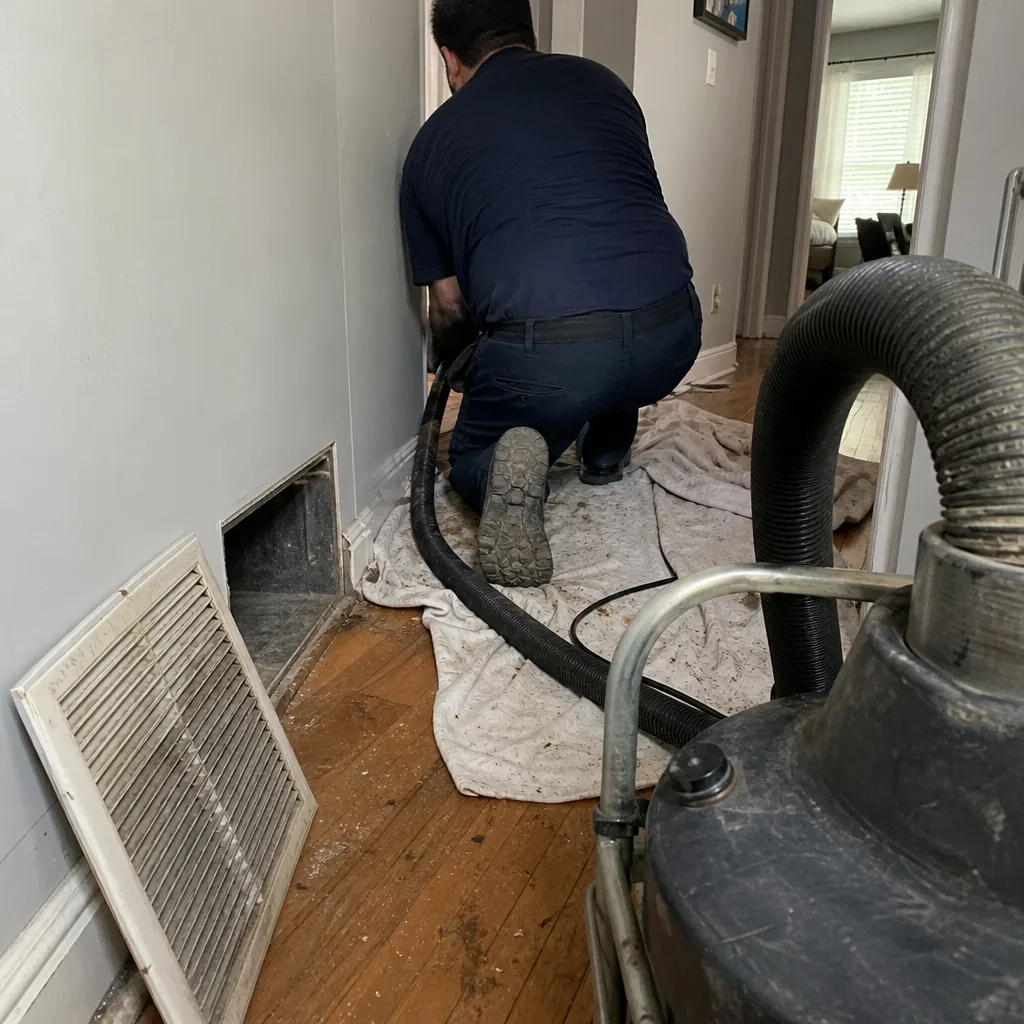 Before
 After
After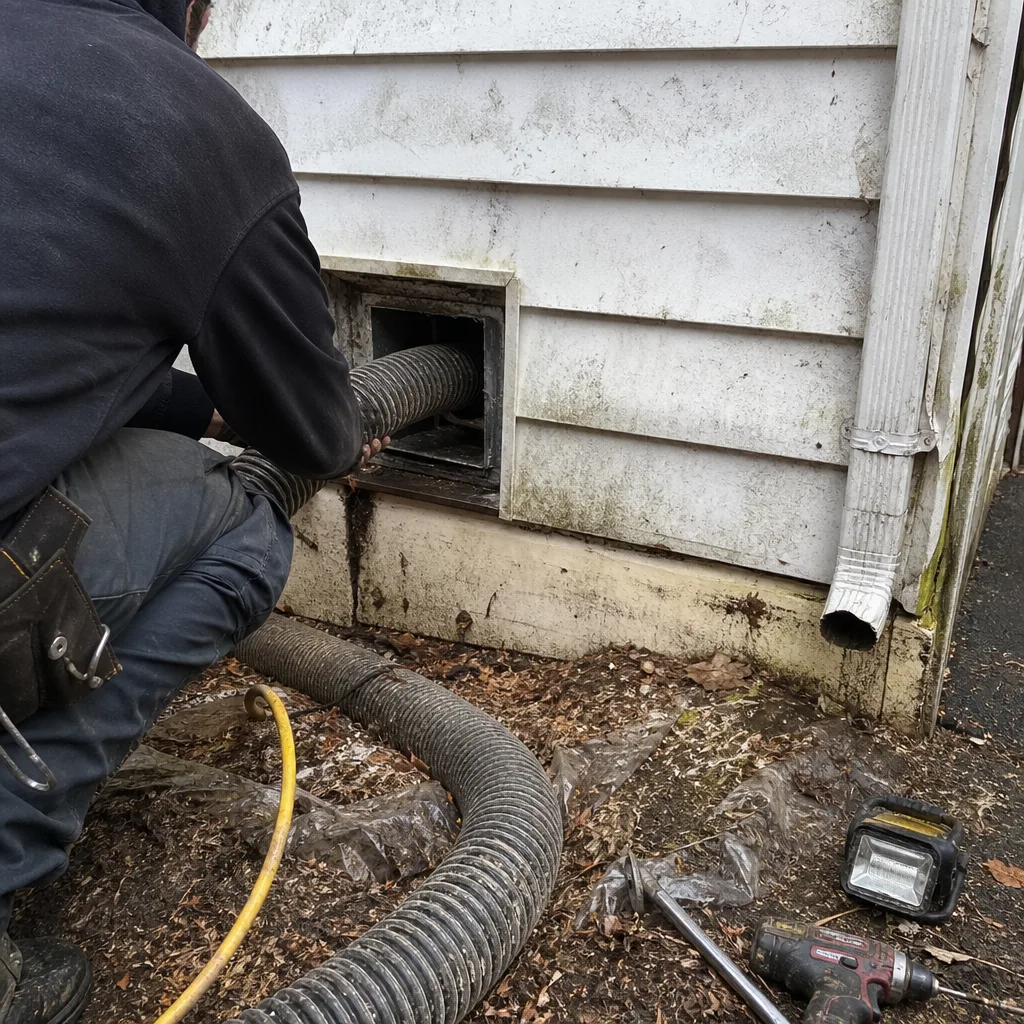 Before
 After
After