
Last updated October 15, 2026
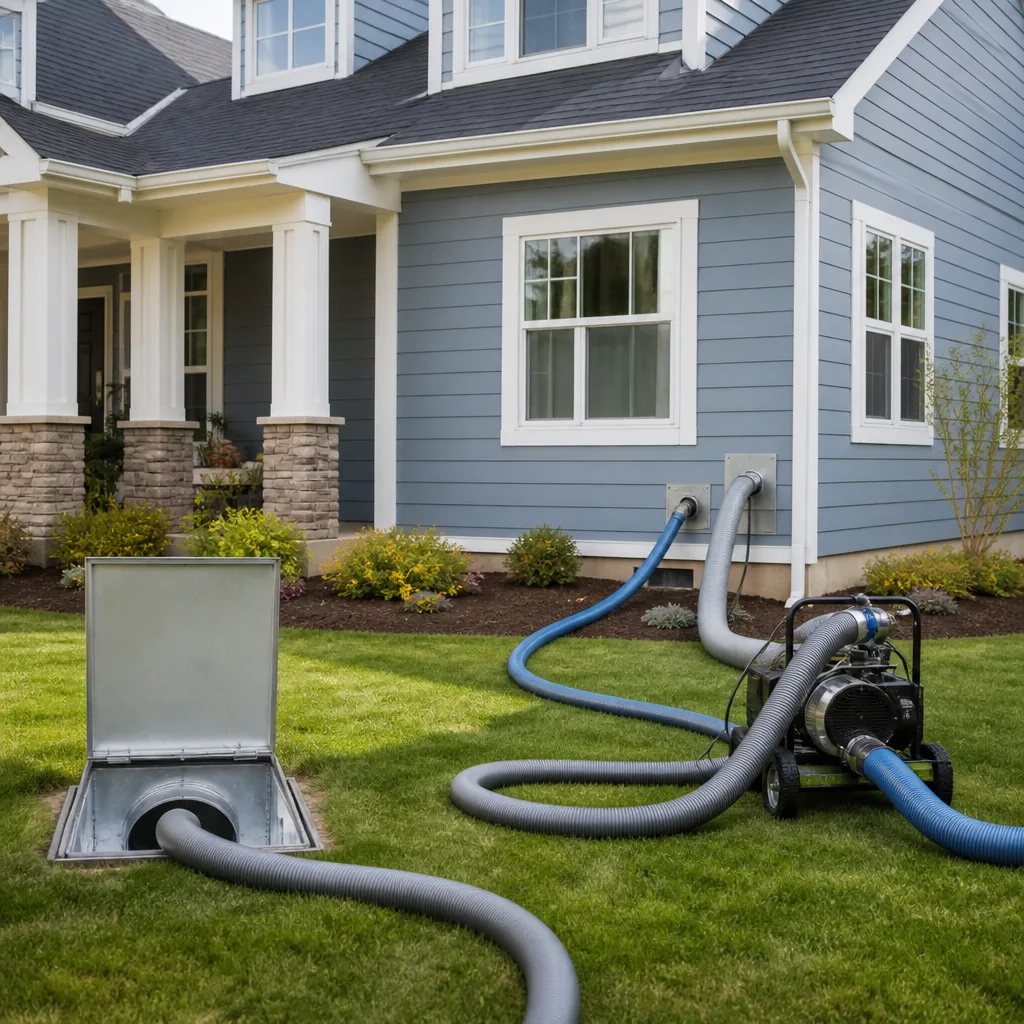 Whole-home duct cleaning
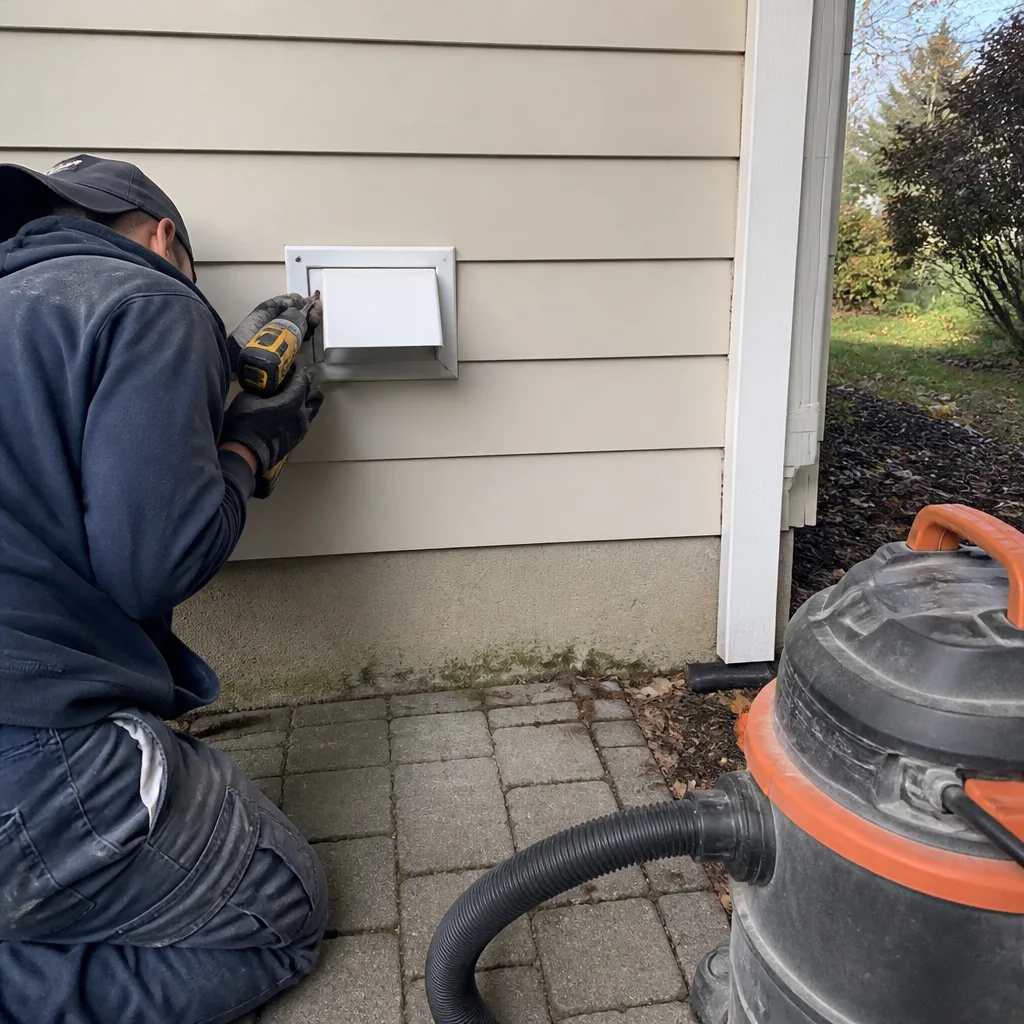
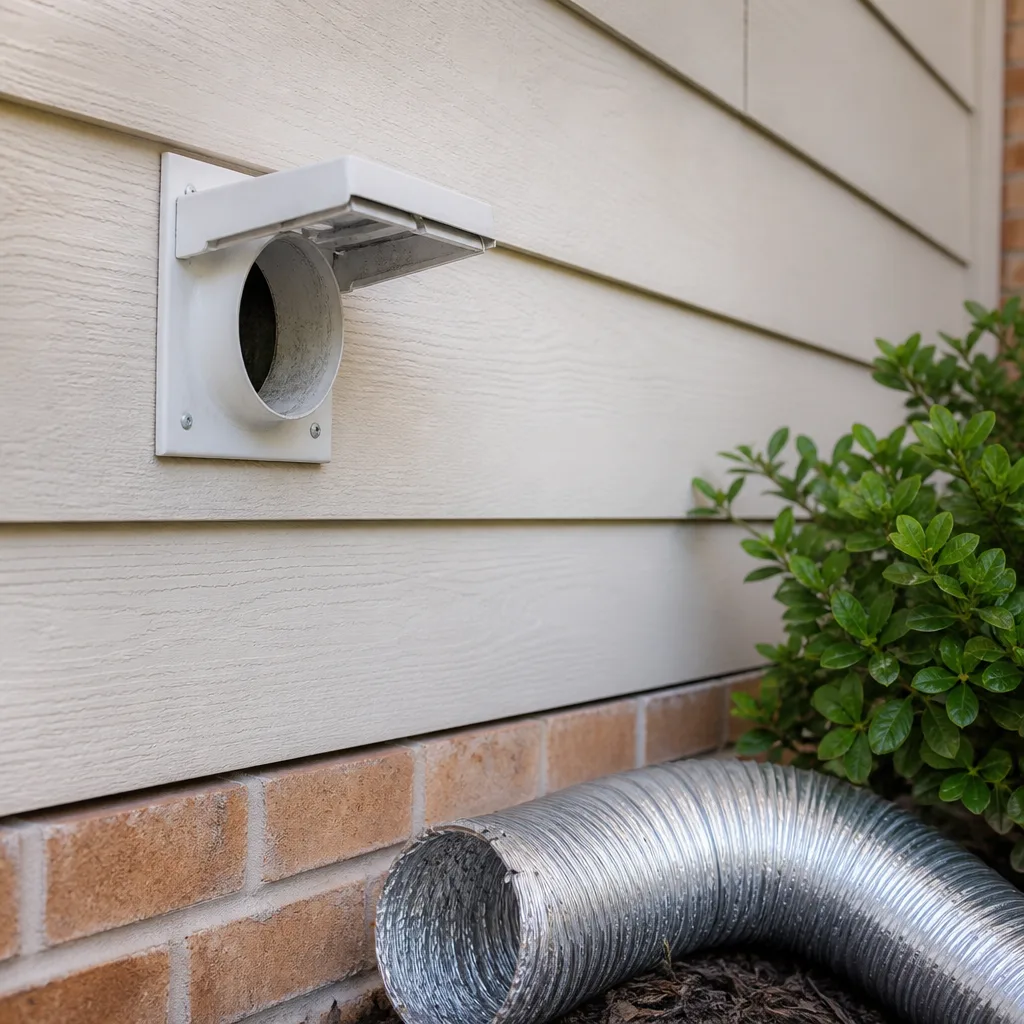 Dryer vent cleaning
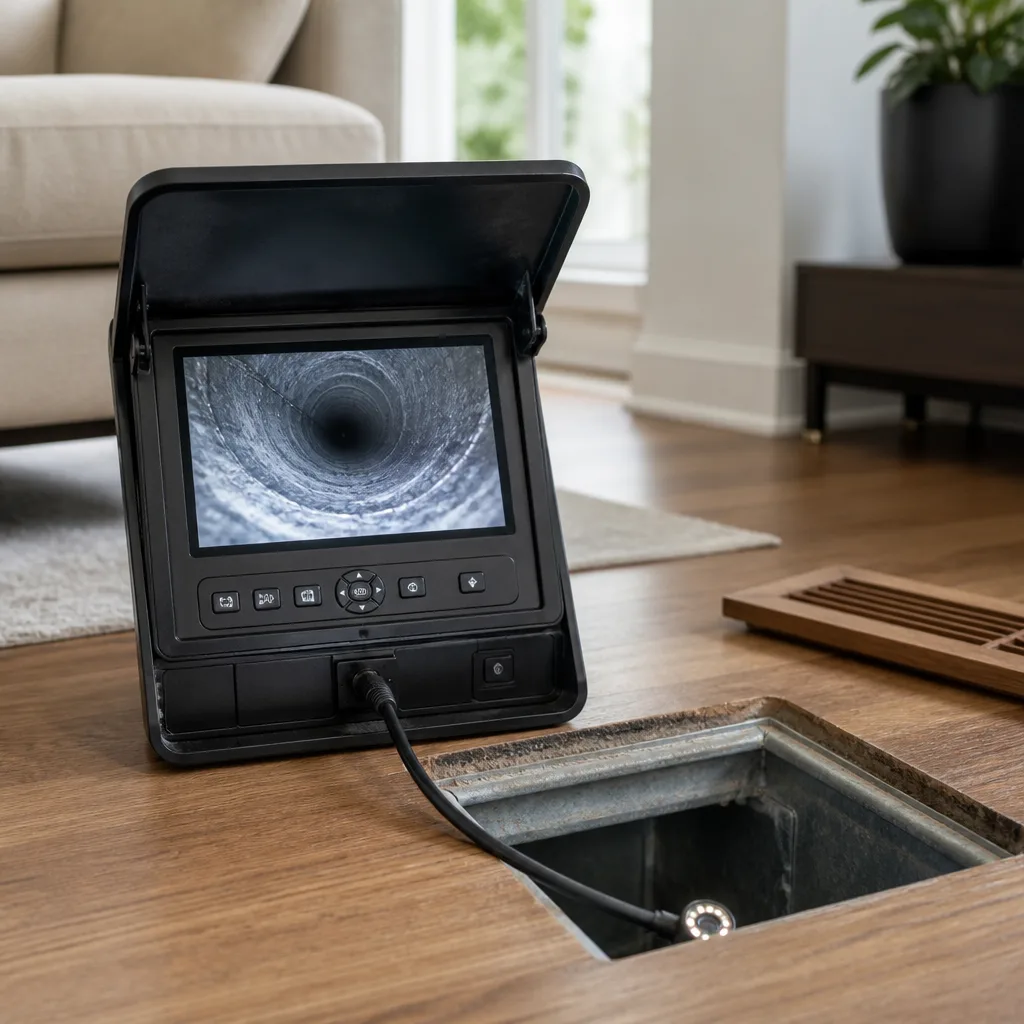 Camera inspection
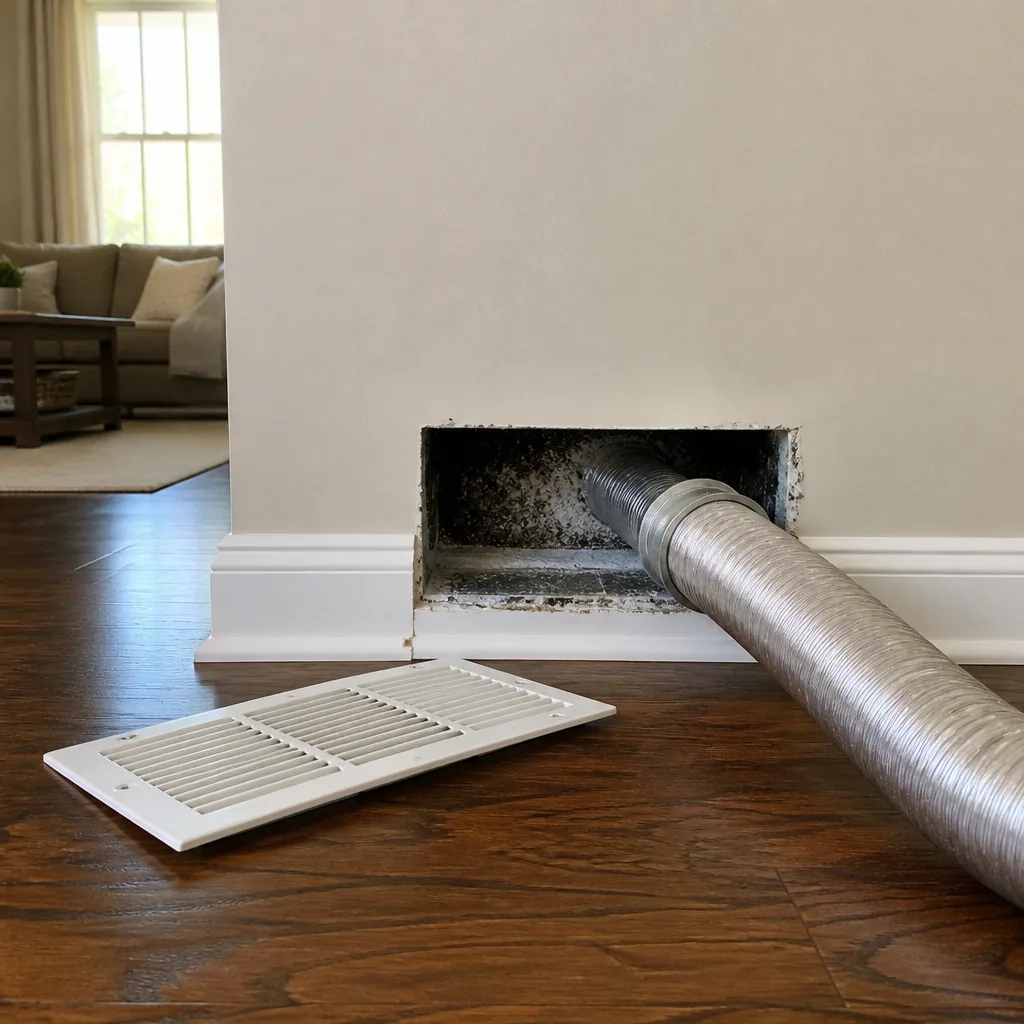 Sanitizing & deodorizing
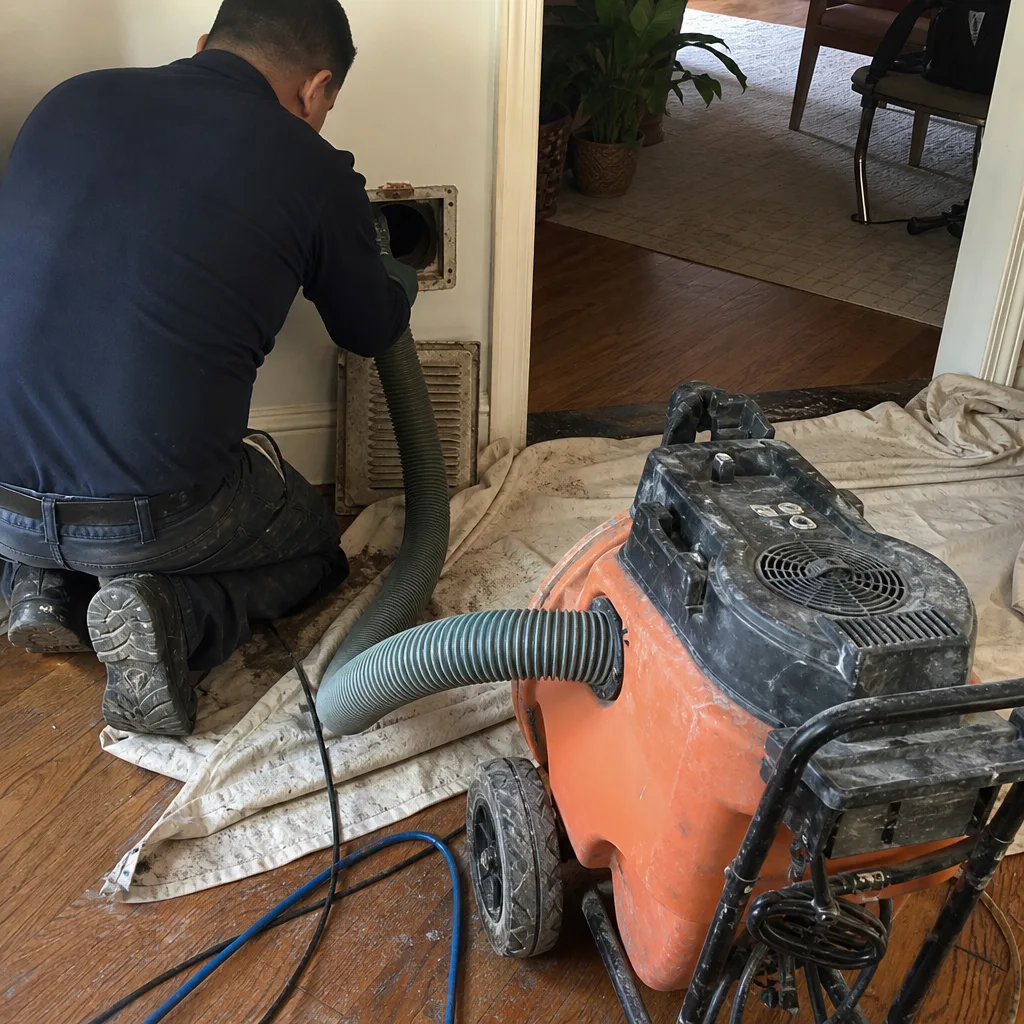
Whole-system duct and dryer vent check with before-and-after photos - you see exactly what came out of your vents
That "$99 whole-house special" is a bait ad - the real number appears once they are in your hallway, or the "clean" is a shop-vac at the register. We photograph the inside of your ducts before and after instead.
The Complete Guide to Air Duct Cleaning in New York
Most air duct guides read like they were written for a three-bedroom ranch in Phoenix. New York is different. Our housing stock spans pre-war co-ops with steam risers running through the walls, postwar brick boxes converted from oil to gas, and glass towers with fan-coil units tucked behind drywall. Each one changes what duct cleaning actually involves, what equipment fits through the door, and what a fair price looks like. This guide maps the real variables so you can evaluate New York quotes with the confidence of a contractor.
Styles & brands we work with
Quick Answer
Air Duct Cleaning in New York typically costs between $400 and $900 for a whole system, depending on the age of the building, the number of units served, and whether it’s a forced-air setup or a fan-coil arrangement. The job takes 3 to 5 hours and involves sealing the system under negative pressure while a rotary brush dislodges debris from the duct walls. Always get a written flat-system price before work begins, never a per-vent teaser.
Table of Contents
- Why New York Ducts Are Different From the Rest of the Country
- How Air Duct Cleaning Actually Works
- Forced-Air Systems vs. Fan-Coil Units: Why Equipment Matters
- What Air Duct Cleaning Costs in New York
- Co-op and Condo Rules That Affect Scheduling and Access
- How to Read a Written Quote Line by Line
- Signs Your Ducts Need Cleaning
- How Often Should New York Ducts Be Cleaned?
- Common Mistakes to Avoid
- When to Call a Professional
- Frequently Asked Questions
- The Bottom Line
Why New York Ducts Are Different From the Rest of the Country
New York’s housing stock spans three distinct construction eras, and each one produces a different duct profile. Pre-war buildings, put up before 1940, were almost never built with forced-air systems. They used steam radiators or hot-water risers for heat. Any ductwork in those buildings was added later, often shoehorned through closet chases and dropped ceilings. That means long, narrow runs with tight bends, and debris that accumulates in sections a straight tool never reaches.
Post-war buildings, roughly 1945 to 1975, are a mixed bag. Many were built with oil-fired furnaces and basic sheet-metal ductwork. When those systems converted to gas, the ductwork often stayed. What changed is the fuel, not the airflow path. Those conversions left behind fine soot deposits from the oil years, layered under household dust from the decades since. In our experience, these buildings produce the heaviest initial debris load.
Modern construction, roughly post-1990, brings flexible ducts (usually called flex duct, meaning insulated plastic and wire coil), tighter building envelopes, and smaller mechanical closets. Those systems are easier to access but more sensitive to pressure. Too much suction on a flex duct run can collapse it. A technician who only knows suburban sheet-metal systems can do real damage in a New York high-rise if they don’t adjust the setup.
Then there’s the climate variable. New York summers push humidity into every unconditioned chase. Duct interiors in older New York buildings carry more biological growth than equivalent systems in drier cities. That’s not a scare tactic. It’s what happens when condensation meets decades of accumulated dust in a dark, warm space. For more on how our city-specific approach works, see our Air Duct Cleaning in New York page.
How Air Duct Cleaning Actually Works
Air duct cleaning is a mechanical process, not a chemical one. It has two moving parts: agitation and extraction. Agitation means loosening the debris that’s stuck to the duct walls. Extraction means pulling that loosened debris out of the system so it doesn’t end up on your sofa. Both steps matter. A shop vac on its own does neither well.
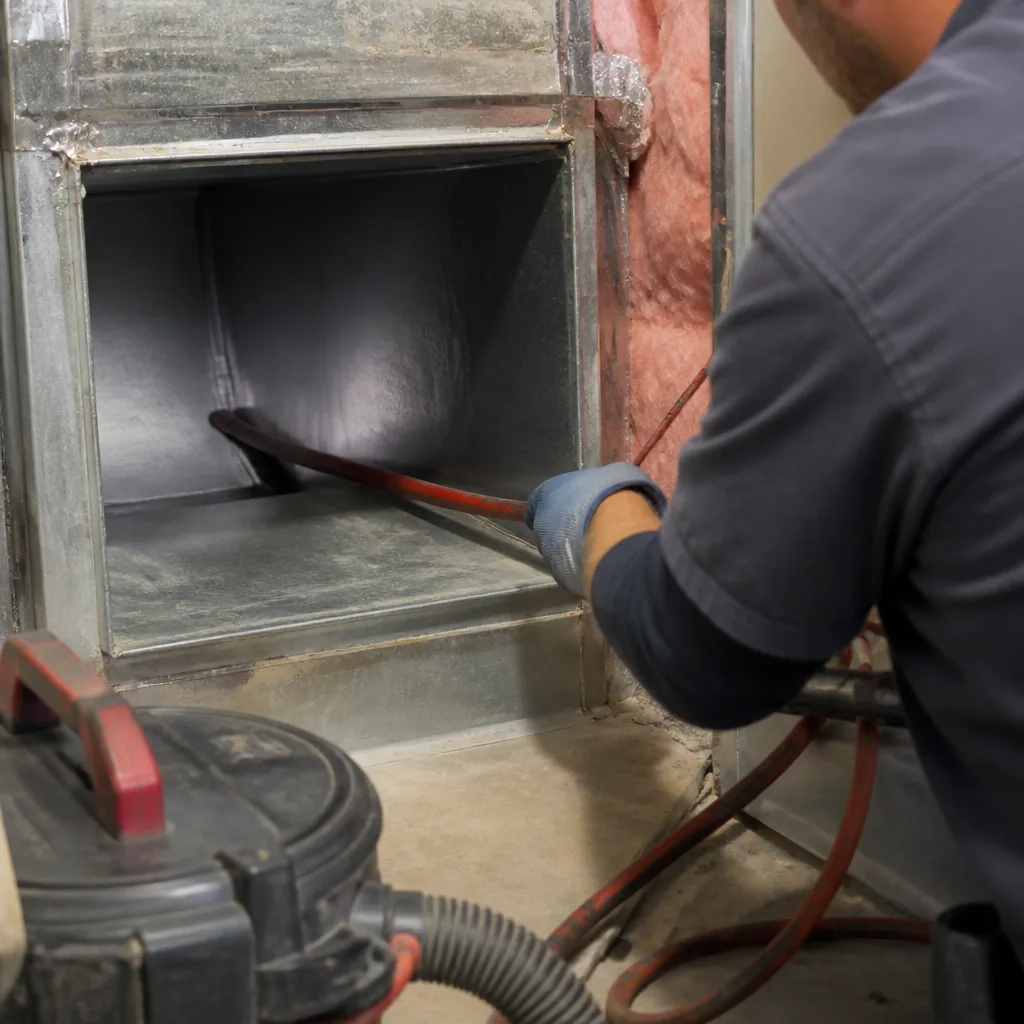
The tool that turns a mediocre cleaning into a thorough one is a rotary brush system. The brand we use, Rotobrush, spins brush heads against the interior walls of the duct, breaking loose the debris film that a vacuum alone cannot lift. Where access is poor and the brush can’t reach, compressed air wands do the agitation. Both tools dislodge; neither removes. That’s the loader’s job.
Removal happens through negative-air extraction. That’s the trade term for sealing the duct system under vacuum. We connect a powerful extraction unit (Nikro equipment in our case) to the main trunk line and seal all the registers shut. Then we open one register at a time, working through the system. The vacuum keeps the entire duct network at lower pressure than the room, so any particle dislodged by the brush gets pulled toward the extraction unit rather than pushed out into your apartment. Once the debris reaches the unit, Abatement Technologies HEPA filtration traps it before the air exits the machine. No dust blowback. No debris path through your hallway.
In a New York apartment with shared shafts, negative-air extraction is not optional. It’s the difference between a contained job and a complaint from the neighbor whose air shaft just received your construction dust from 1968.
Forced-Air Systems vs. Fan-Coil Units: Why Equipment Matters
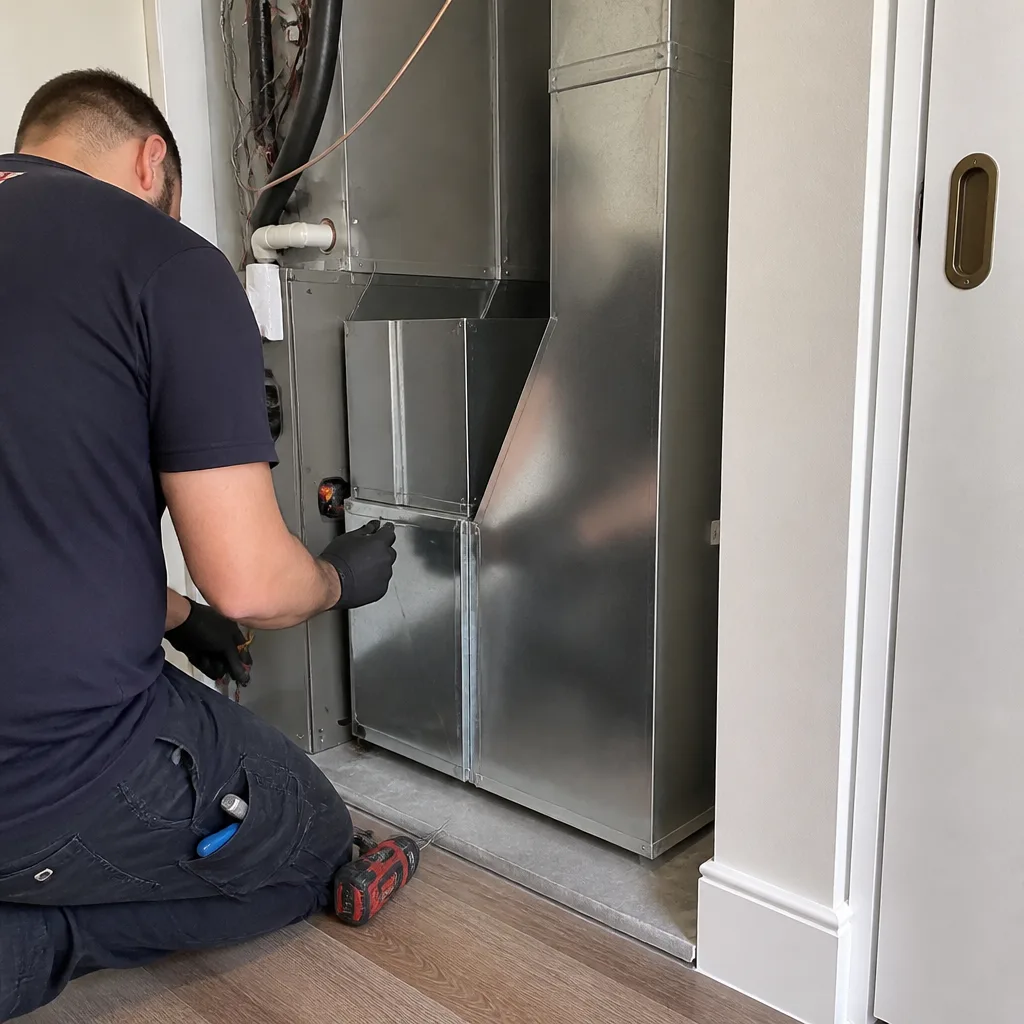
This is the single most important distinction in New York duct cleaning, and the one most generic contractors never explain. A forced-air system is what most homeowners picture: a furnace or air handler in a closet or basement, connected to supply and return ducts that snake through the walls and ceilings. That’s a duct system in the true sense. It moves heated or cooled air from a central point to every room.
A fan-coil unit is a different animal entirely. Common in Manhattan high-rises and newer luxury buildings, a fan-coil unit is a compact box mounted in a wall or ceiling that heats or cools air right at the source. It’s not connected to a building-wide duct network. Each unit handles one room or one zone. What many people call “duct cleaning” in a fan-coil building is actually coil cleaning: cleaning the finned metal coil, the blower wheel, and the small return-air path within the unit itself.
That requires different tools and a different technician mindset. Rotobrush duct-cleaning tools are useless on a fan-coil unit. What’s needed is coil-safe cleaning agents, soft-bristle brushes to avoid bending the fins, and an understanding of condensate drain lines. A company that shows up to a fan-coil building with duct brushes and no coil experience will either under-deliver or damage the unit. For context, see our DIY vs Professional Air Duct Cleaning: The New York Homeowner’s Decision Guide. If you live in a high-rise with fan-coil units and a vendor quotes you “air duct cleaning,” ask if they mean the coil or the ducts, and which equipment they’re bringing.
Most New York single-family homes and many low-rise co-ops do have true forced-air systems. But when you’re comparing quotes, the first question isn’t price. It’s what system you actually have. For a deeper look at the cleaning process on forced-air systems, our Kestrel Air Duct New York home page walks through what a visit includes.
What Air Duct Cleaning Costs in New York
Most New York homes run between $450 and $850 for a complete forced-air duct cleaning. Co-op and condo units on a shared system often fall toward the lower end since the duct pathway is shorter. Large single-family homes in the outer boroughs with two zones can exceed $900. Fan-coil cleaning typically runs $150 to $300 per unit, with most apartments having two to four units.
These are whole-system prices, agreed before work starts. Let’s be clear about what that means because this is where the bait-and-switch reputation comes from. Some contractors quote a “per-vent” price of $19 or $29. Sounds cheap. But a New York house with 20 vents pays $580 on the per-vent math for a job the same contractor would flinch at quoting as a $580 flat price. Per-vent pricing hides the total until the technician is standing in your kitchen tallying grilles.
A written flat-system quote puts the number in your hands before any equipment comes off the truck. You can compare it against other flat quotes. You can check what’s included. You can decide yes or no without a stranger in your home building a case for add-ons.
Here’s what a fair flat price should include:
- Supply and return duct cleaning (all accessible runs)
- Registers and grilles removed and cleaned
- Furnace or air handler blower assembly cleaning
- Filter replacement with a standard disposable filter
- Before-and-after photos you can actually see the difference in
What it should not include is surprise add-ons: a “sanitizing” upsell you didn’t ask for, a “mold treatment” after the tech announces he found mold mid-job, or a “premium filter” pitch that doubles the invoice. Those are the old tactics. A reputable New York duct cleaner puts the scope in writing and stands next to it.
When you call Kestrel Air Duct New York, you get the written price before we touch a single vent. No per-vent games. No door-step renegotiations. If you want to compare, we’ll happily walk you through the line items over the phone so you can ask other vendors the same questions.
Co-op and Condo Rules That Affect Scheduling and Access
If you live in a co-op or condo in New York, you don’t fully control your own duct cleaning. The building does. Most co-op boards require a certificate of insurance from any vendor before they’ll allow work in a unit. Some require a specific named-additional-insured endorsement. Some require the vendor to check in with the super before starting. Some restrict working hours to weekday business time, which means a Saturday cleaning isn’t happening no matter how convenient it would be for you.
This is not red tape for its own sake. New York buildings are dense, and a vendor dragging equipment through a lobby at 7 a.m. on a Saturday becomes a building-wide nuisance. More importantly, shared air shafts mean that what happens in your unit affects others. That’s why boards care about liability documentation.
Here’s what the process usually looks like:
- You request the vendor’s COI (certificate of insurance) from the cleaning company.
- You forward it to your managing agent or board for review.
- The board or super approves the vendor, sometimes with conditions (specific entry, elevator usage, hour limits).
- You schedule the cleaning within the approved window.
- The vendor checks in with the super on arrival and checks out before leaving.
A duct cleaning company that has worked in New York co-ops before understands this dance. We’ve completed it hundreds of times. We carry the standard coverage your board will ask for, and we’ll provide the documentation quickly. But we can’t waive the process. No vendor can. What we can do is make it painless for you, so the board’s requirements don’t become a three-week email thread.
The same logic applies to our Dryer Vent Cleaning in New York service. Dryer vents in co-op buildings often run through shared chases, and boards are equally strict about access and insurance.
How to Read a Written Quote Line by Line
Most homeowners read a quote the way they read a credit card statement: they look at the total and skip everything else. That’s a mistake. A written quote tells you more about a company than any review. Here’s how to read it like a contractor would, and for deeper help selecting a pro, read our How to Hire a Air Duct Cleaning Contractor in New York: A Step-by-Step Guide.
Line 1: The scope of work. Does it say “clean all supply and return ducts” or does it mumble something vague like “clean system as needed”? Vague language is a license to under-deliver. The scope should be boring and specific. Supply ducts. Return ducts. Blower. Registers. Listed.
Line 2: The price math. If there’s a per-vent multiplier, find the total number of vents and do the arithmetic. If the quote only lists a per-vent price and never shows a total, that’s not a quote. That’s a strategy. A real quote has a total dollar figure at the bottom.
Line 3: The filter language. Does it include one standard filter replacement? If it doesn’t mention filters at all, ask. A company that skips the filter change is cutting a corner that costs them three dollars. What else are they cutting?
Line 4: The exclusions. Some quotes quietly exclude the blower motor cleaning, or the return plenum, or “accessible ductwork only” without defining accessible. Exclusions aren’t inherently dishonest. They become dishonest when they’re buried. A good quote states what’s included and what, if anything, is not.
Line 5: The guarantee. Is there any language about what happens if the job falls short? Most New York duct cleaning quotes have no guarantee clause at all. Kestrel’s does. Every job includes the 365-Day Done Right Promise in writing: if the work falls short within the guarantee period, we return and make it right at no charge. That’s not a verbal commitment. It’s a documented clause you can point to with your finger.
Read the quote before you sign it. If the vendor won’t put it in writing, the verbal promises are worth exactly nothing. For a deeper explanation of the Kestrel Air Duct New York home approach to pricing, see how our written-price commitment works on every job.
Signs Your Ducts Need Cleaning
Ducts don’t send you alerts. They accumulate slowly, and by the time you notice, the buildup is usually significant. Here are the signals New York homeowners actually see.
- Visible dust at the registers. If you see dust caked around a supply register that you cleaned two weeks ago, the ducts are feeding it, not your housekeeping.
- Uneven airflow between rooms. A bedroom that stays five degrees warmer than the living room, despite the thermostat, often has a restricted duct run.
- Allergy symptoms that spike at home. This one is hard to isolate from New York’s outdoor allergens, but if symptoms ease when you’re at work and surge when you’re home, the HVAC system is a strong candidate.
- A visible debris layer in the return register. Open the return grate and look inside. If you see a gray film or small debris particles coating the interior, that’s what’s circulating through your air.
- Renovation residue. If you’ve had drywall work, floor sanding, or any construction in the past year, your ducts absorbed the fallout. Construction dust is fine and pervasive. It settles in the ductwork and recirculates for months.
- Critter evidence. Mice and insects find duct systems very comfortable. If you’ve seen droppings near a register or heard scurrying in the walls, treat the ductwork as part of the cleanup, not a separate issue.
One sign that does not indicate a cleaning is the dust on your furniture. That’s normal New York living. Duct cleaning reduces recirculated particulate but it will not make your apartment dust-free. If a contractor promises that, hold onto your wallet.
How Often Should New York Ducts Be Cleaned?
Every 3 to 5 years for most New York households. That’s the honest answer, not the “every year because we want the repeat business” answer. The frequency depends on five factors: pets, occupancy, renovation history, building age, and system type. A household with two shedding dogs and a pre-war building should trend toward the 3-year mark. A single occupant in a modern high-rise with fan-coil units may be able to go longer between coil cleanings, since the air path is so much shorter.
Homes with a history of water infiltration or visible mold growth should not wait. If you see microbial growth on a register or inside a duct, the cleaning needs to happen now, not on a maintenance schedule. Mold doesn’t respect the calendar. Neither should you.
Property managers and co-op boards sometimes set their own standards. Some buildings mandate cleaning every 3 years as a condition of the house rules. Others leave it to the owner. Check your building’s governing documents before assuming you have complete discretion.
Common Mistakes to Avoid
- Hiring on price alone. The lowest New York duct cleaning bid is usually a per-vent teaser price with a total that balloons at the door. Compare totals, not teaser rates.
- Skipping the written quote. Verbal estimates are unenforceable. If it’s not in writing, it doesn’t exist. Insist on a written scope and price before any work starts.
- Confusing coil cleaning with duct cleaning. In a fan-coil building, you need the coil cleaned. A vendor who charges you for “duct cleaning” in that building is billing you for a service that doesn’t apply.
- Ignoring co-op board requirements. Skipping the COI step doesn’t save time. It delays the job when the super stops your vendor at the door. Get board approval before you schedule.
- Believing the “whole house in an hour” pitch. A real cleaning of a New York forced-air system takes 3 to 5 hours. Anyone promising less is either skipping steps or lying about what they did.
- Skipping the filter change. A freshly cleaned duct system with an old clogged filter is a waste of money. The filter is the system’s first line of defense.
- Not asking for before-and-after photos. You can’t see inside your own ducts without a camera. A legitimate company documents the work. Ask to see the proof.
When to Call a Professional
Call when the signs point to a real ductwork problem, not a scheduling annoyance. You’ve got visible debris at the registers, airflow that’s noticeably uneven between rooms, allergy symptoms that follow you home, or renovation dust you know has been sucked into the system. You’ll also want a professional when the building’s co-op board requires vendor documentation and a certified cleaning process, because a DIY approach will never satisfy their standards. And if you’ve never had the ducts cleaned in the home you bought, assume the previous owner didn’t either.
Kestrel Air Duct New York offers free estimates in New York. Call (585) 517-2324 and you’ll reach a real person, not a voicemail queue. We’ll give you a written price range over the phone, explain what the scope includes, and answer whatever questions you have about your specific building.
Frequently Asked Questions
Most New York homes pay between $450 and $850 for a complete forced-air system cleaning, with fan-coil units running $150 to $300 per unit. The range depends on system size, building age, and accessibility. Call (585) 517-2324 for a written, flat-system quote, not a per-vent estimate.
Cheaper quotes usually hide the real total behind per-vent pricing. A $19 per-vent rate looks tempting until a 25-vent home multiplies out to $475 with fees and “add-ons” on top. The real question is whether the quote includes the blower, the return plenum, and the filter replacement, or whether those become extra charges after the technician arrives. Compare flat totals, not teaser rates.
Ask for before-and-after photos of the inside of your ductwork. A legitimate cleaning company documents the job with a camera, not just a receipt. You should be able to see the debris coating before and the clean metal after. If a vendor refuses or can’t produce photos, treat that as a red flag.
Yes, most do. Your board or managing agent will typically require a certificate of insurance from the vendor before work begins, and many restrict work to specific hours or require check-in with the super. Budget extra time for the approval process and get vendor documentation in advance.
Air duct cleaning addresses the HVAC system’s supply and return ducts, the blower, and the registers that carry heated and cooled air through your home. Dryer Vent Cleaning in New York addresses the exhaust pathway from your clothes dryer to the outside. That run collects lint, and in New York buildings with long vertical runs, lint clogs are a serious fire hazard. The two services are separate, and most New York homeowners need both sooner or later.
No. Fan-coil units in Manhattan and luxury high-rises require coil cleaning with soft brushes and cleaners designed for finned coils, not rotary duct brushes. A fan-coil unit is a room-level device, not a networked duct system. Make sure the vendor knows which system you have before they load the truck.
The Bottom Line
Air duct cleaning in New York is a different job than it is anywhere else. The building stock, the mix of system types, the co-op approval hurdles, and the pricing games are all local problems that demand local knowledge. The realistic price is $450 to $850 for a forced-air system, agreed in writing before work starts. The equipment should be professional-grade negative-air extraction with HEPA filtration, not a shop vac pushed through a vent. And the vendor should document the work with photos and stand behind it in writing. That’s what the Kingswell Guarantee has meant since 2004, and it’s what every New York homeowner should expect from any contractor.
Written by Dale Whitmore, Owner at Kestrel Air Duct New York, serving New York since 2004.
See the difference
 Before
 After
After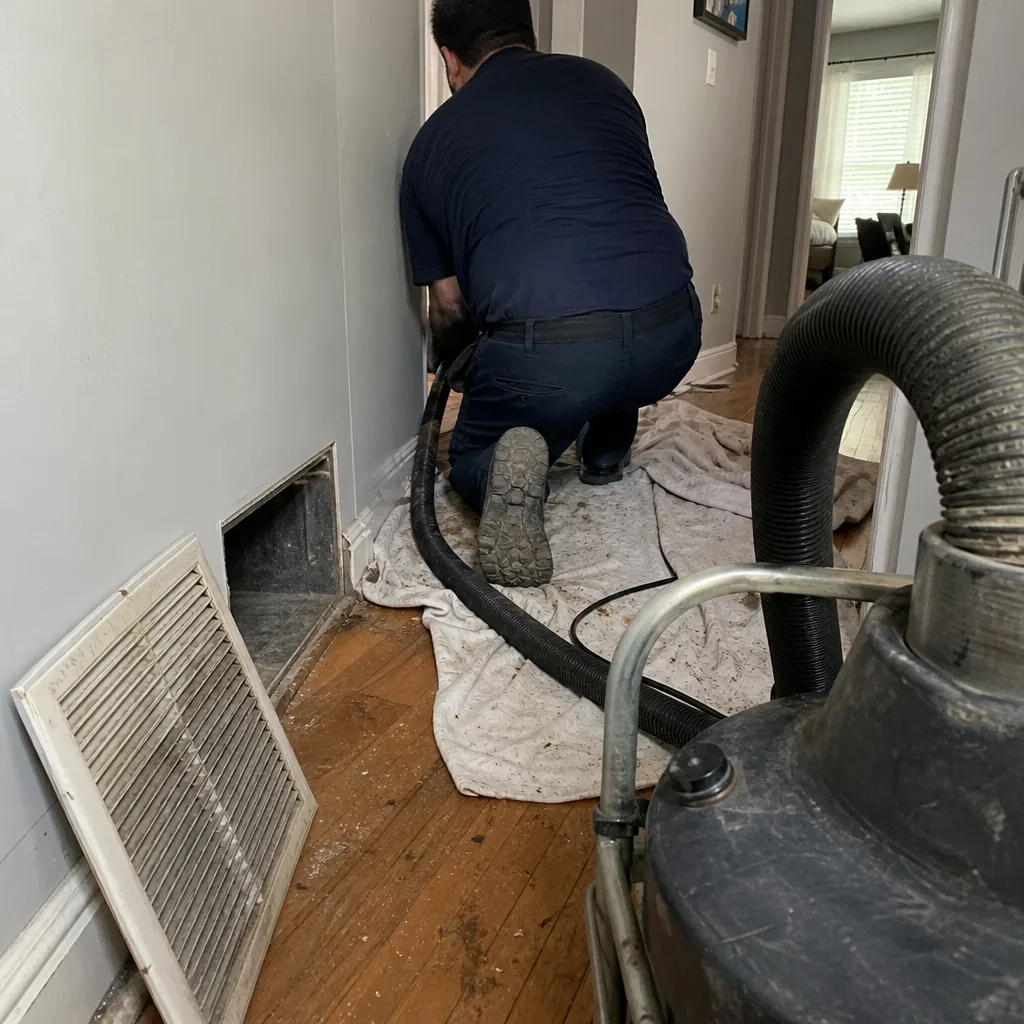 Before
 After
After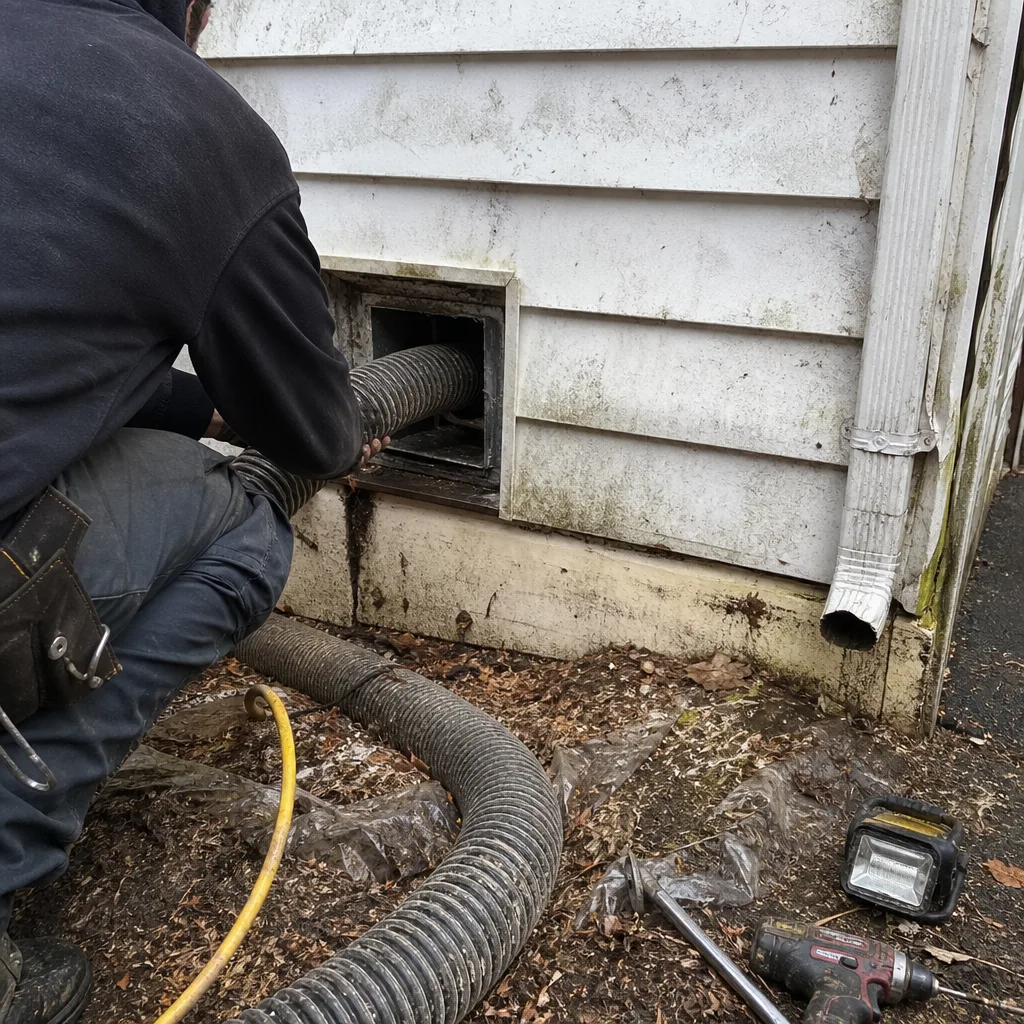 Before
 After
After