
Last updated October 15, 2026
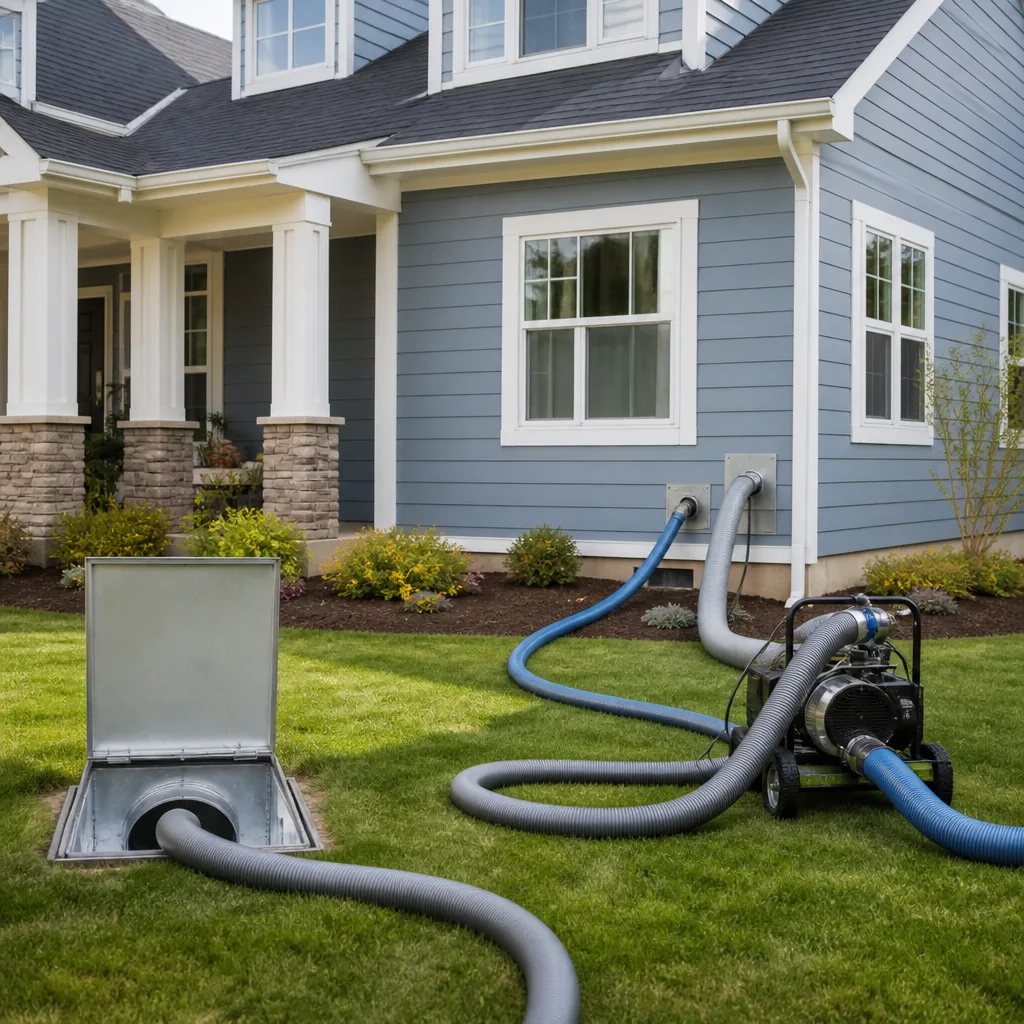 Whole-home duct cleaning
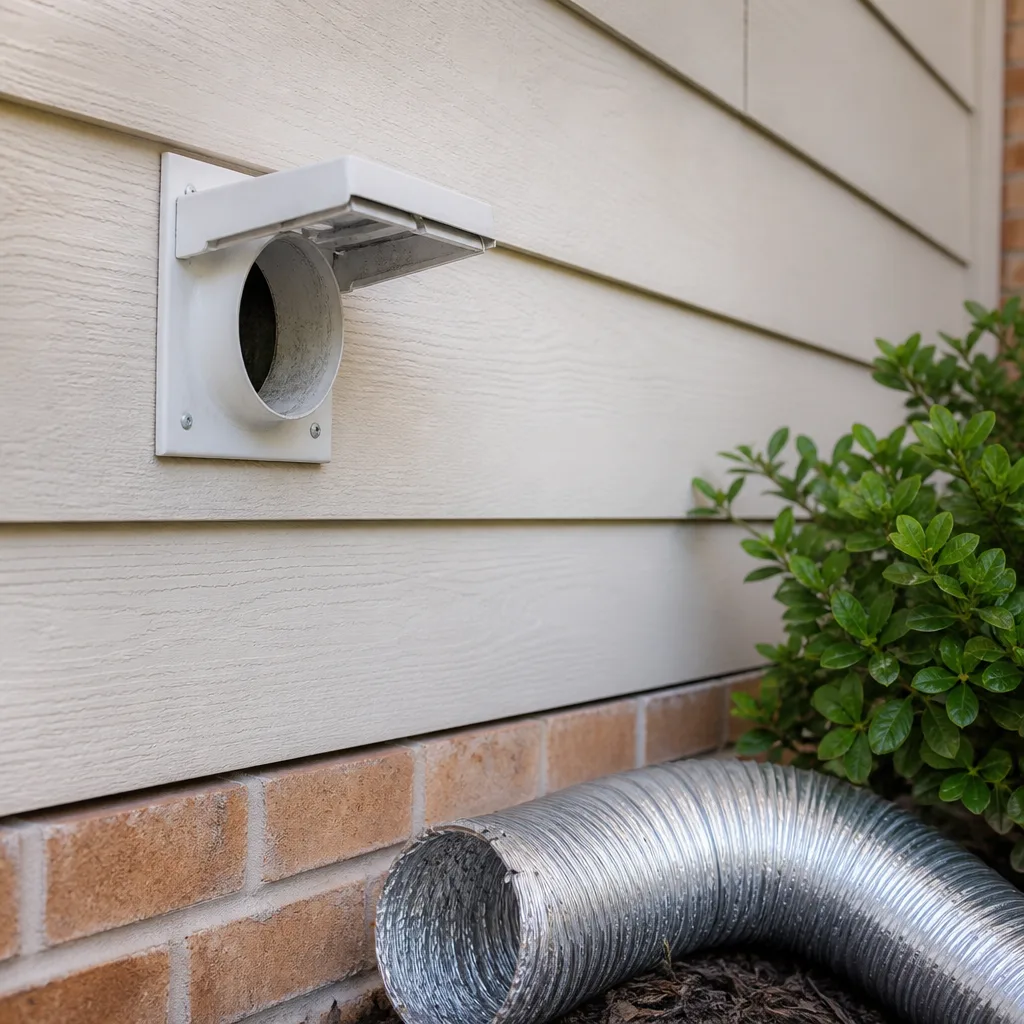 Dryer vent cleaning
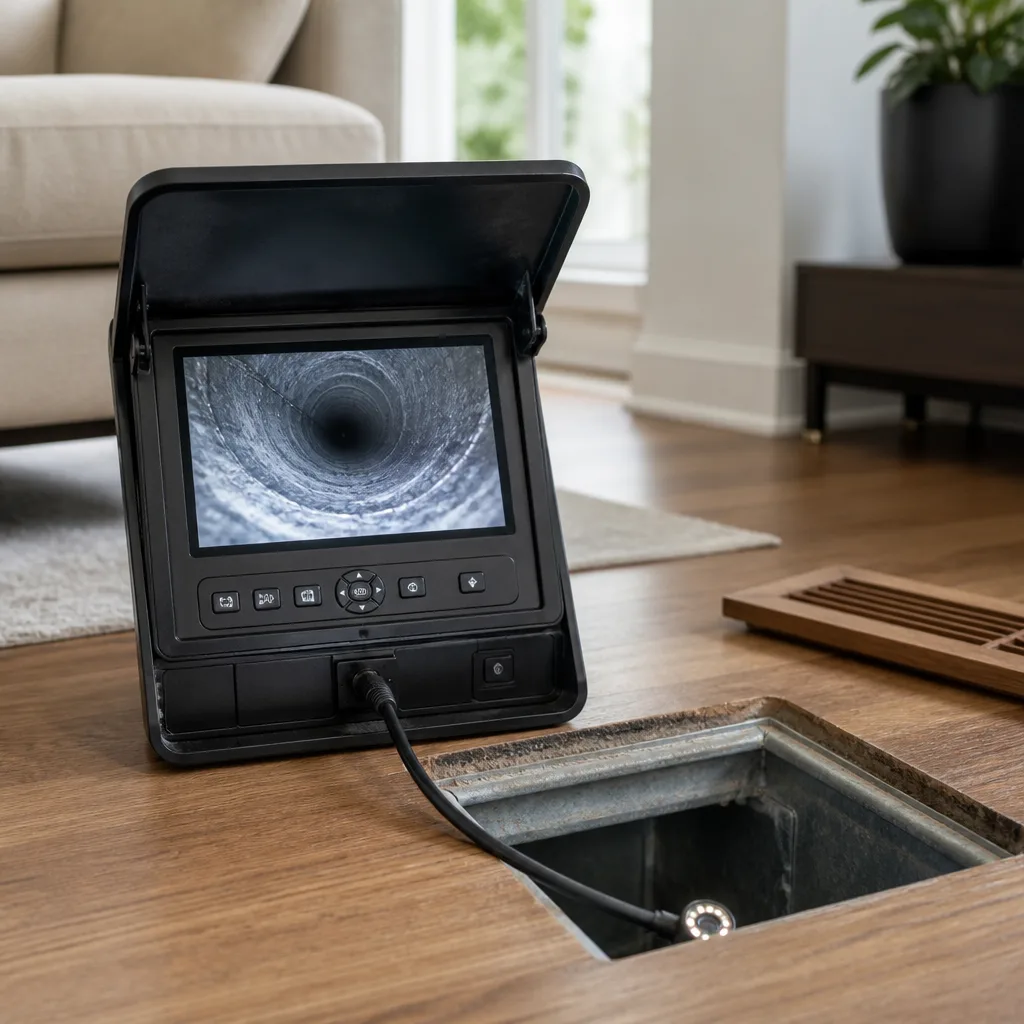 Camera inspection
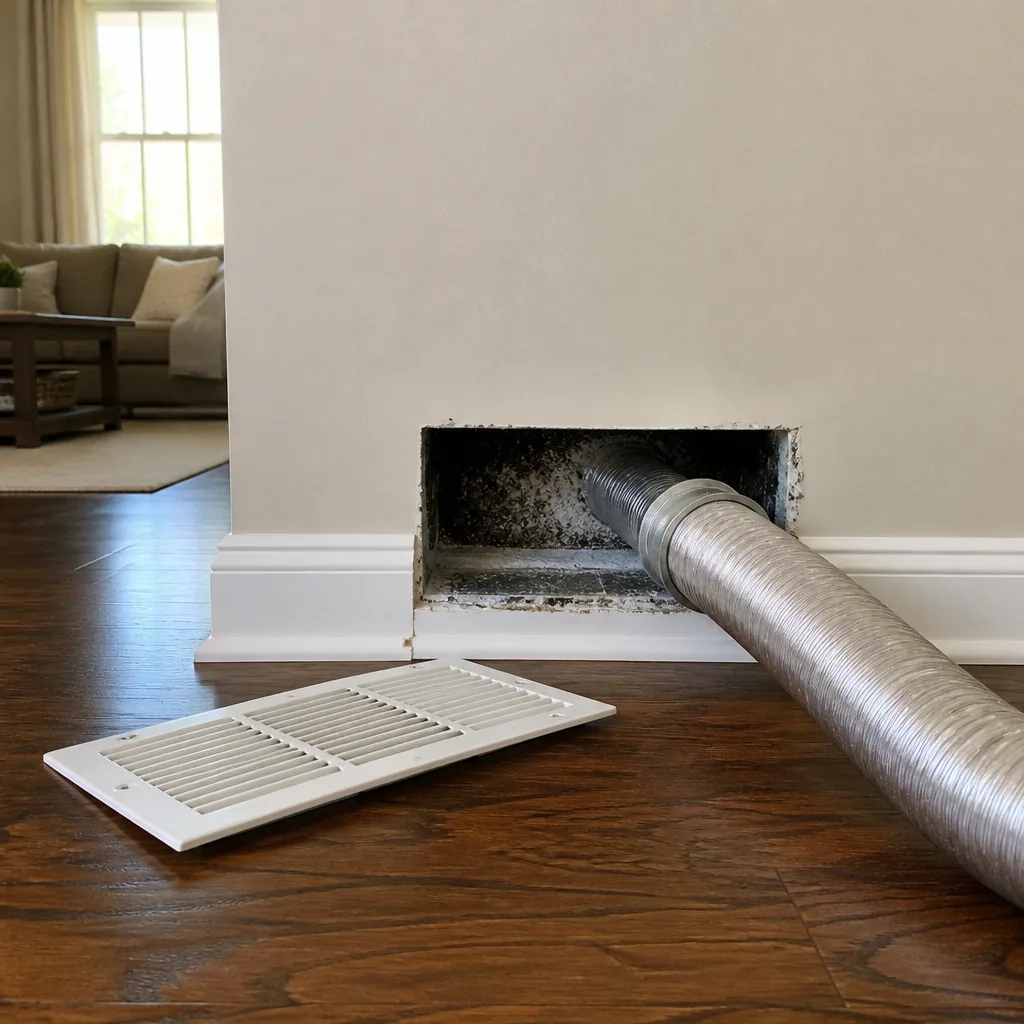 Sanitizing & deodorizing
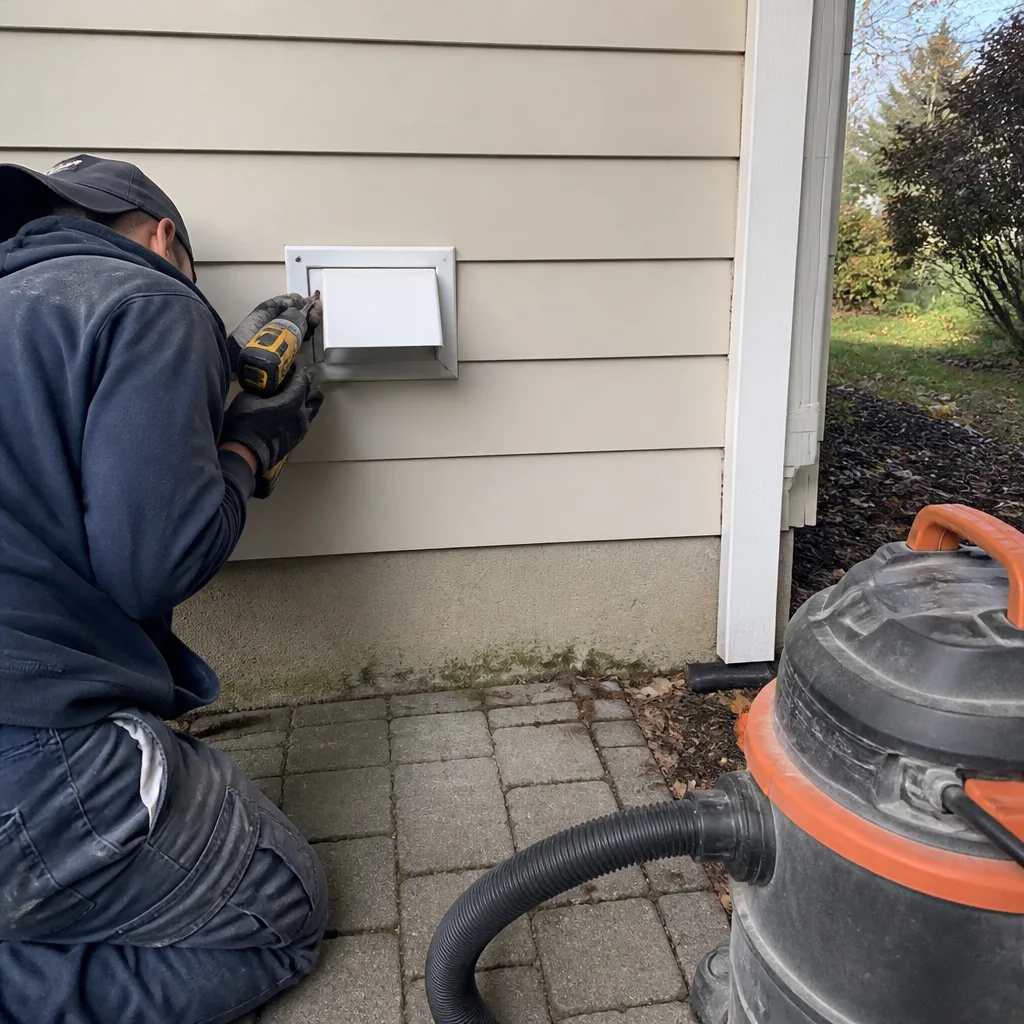
Whole-system duct and dryer vent check with before-and-after photos - you see exactly what came out of your vents
That "$99 whole-house special" is a bait ad - the real number appears once they are in your hallway, or the "clean" is a shop-vac at the register. We photograph the inside of your ducts before and after instead.
How to Hire a Air Duct Cleaning Contractor in New York: A Step-by-Step Guide
The New York City Department of Consumer and Worker Protection logs complaints about home-service bait-and-switch pricing every single year. Air duct cleaning sits near the top of the abuse list because the work happens inside your walls, where you can’t watch it, and the only proof you get is whatever the contractor decides to show you. That’s why hiring the right contractor in New York isn’t about finding someone who sounds honest on the phone. It’s about demanding a specific set of written commitments before anyone steps through your door. This guide walks you through exactly what to ask, what to verify, and what to refuse, step by step, so the price you’re quoted is the price you pay, and it pairs well with our Air Duct Cleaning Cost Breakdown: The New York Homeowner’s Reference for 2026 if you want deeper numbers.
Quick Answer
Hiring an air duct cleaning contractor in New York starts with getting a written, line-item price before the technician arrives, verifying the company’s business registration and insurance certificate yourself, and confirming the quote includes a written completion guarantee, not a verbal promise. Any contractor who won’t put the price in writing before seeing your system, or who quotes a teaser price and says the “real” number comes after inspection, should be crossed off your list immediately. The whole process takes about 30 minutes of phone calls and paperwork checks, and it’s the only reliable protection against the door-step price switch that’s common in this city.
Styles & brands we work with
Table of Contents
- Why Air Duct Cleaning Attracts Bad Actors in New York
- The Exact Questions to Ask on the First Call
- What a Legitimate Written Quote Must Include
- How to Verify Business Registration, Insurance, and Certifications
- Red Flags Specific to New York
- How to Structure the Payment Conversation
- What the Cleaning Should Actually Include
- The Guarantee Question: What to Demand in Writing
Why Air Duct Cleaning Attracts Bad Actors in New York
Air duct cleaning has a structural problem that makes it uniquely easy to abuse. The work product is invisible. When a roofer finishes a job, you can climb a ladder and look at the shingles. When a plumber replaces a pipe, you can see the new fitting. But when someone cleans your ducts, the evidence is inside sheet metal you can’t open without specialized tools. A dishonest operator can spray a little disinfectant, wave a camera that shows one clean section, and hand you a bill for work that was never done.
New York’s dense housing stock makes the problem worse. The city has thousands of prewar buildings, postwar co-ops, and single-family homes in the outer boroughs and surrounding suburbs, each with different duct configurations, different access points, and different levels of accumulated debris. A contractor who quotes a flat rate without knowing whether your system is a simple trunk-and-branch setup or a sprawling network with multiple returns is either guessing or planning to revise the number once they’re standing in your hallway.
The complaint pattern in New York follows a predictable script: a low phone quote, a technician who arrives and “discovers” mold, asbestos, or a broken component, and a revised invoice that’s two or three times the original. The Department of Consumer and Worker Protection has flagged this exact pattern in its enforcement actions. The fix isn’t finding a “reputable” company through vibes. It’s creating a paper trail that makes the bait-and-switch impossible to execute.
Key Takeaways:
- The invisibility of duct work creates the bait-and-switch opportunity. Your protection is paperwork, not trust.
- A flat-rate quote given before anyone has seen your system’s layout is a guess, not a price.
- New York’s mix of building types means “one price for all homes” is a red flag on its own.
- Written pre-work pricing with defined scope eliminates the door-step revision tactic.
The Exact Questions to Ask on the First Call
The first phone call is where you separate contractors who will honor a price from those who won’t. Most homeowners ask about availability and price. Those are fine questions, but they’re not the ones that protect you. Here’s the script to use, word for word if you want.
- “Can you give me a written price before the technician arrives?” The only acceptable answer is yes, with a caveat that the quote will be finalized after a visual inspection of the system’s access points and scope, but the line-item pricing stays fixed. If they say “we need to see the system first” and won’t commit to written pricing, end the call.
- “What’s included in that price?” Listen for specifics: supply ducts, return ducts, registers, grilles, the main trunk line, and the air handler or furnace plenum. If they can’t itemize what’s covered, they’re not quoting a real price.
- “What cleaning method do you use?” A legitimate contractor should be able to tell you whether they use source-removal methods, negative-air extraction, or rotary brush agitation, and explain what each one means in plain language. Vague answers like “we use the best equipment” are a warning sign.
- “What’s your guarantee, in writing, and what does it actually cover?” If they pause, or say “we stand behind our work,” that’s not a guarantee. That’s a slogan. You want to know what happens if the cleaning fails or debris reappears within a specific window.
- “Who will be doing the work, and are they background-checked?” Subcontracting is common in this industry. You want to know if the person in your home is an employee of the company you called or a third-party crew. In New York, where high-density living means multiple units share duct infrastructure, this matters more than in a standalone house with no shared walls.
We’ve heard every variation of the wrong answer on these calls in our twenty years of operating in New York. The one that should end the conversation immediately is any version of “we’ll give you the real price when we see the system.” That’s not a quote. That’s an appointment to negotiate.
If you’re comparing options, our Air Duct Cleaning in New York page explains what a complete cleaning includes and what a typical price range looks like for this market.
What a Legitimate Written Quote Must Include
A written quote that protects you is more than a number on a business card. It’s a short document that defines the job precisely enough that neither side can revise it mid-stream without your signature. Here’s what it must contain, line by line.
- Line-item scope. Each component of the cleaning listed separately: number of supply ducts, number of return ducts, main trunk line, air handler access, register count, and any access panel cuts required. If the scope says “full system,” ask what “full” means on paper.
- The exact cleaning method. Not “professional cleaning” but a specific description: negative-air extraction with HEPA filtration, rotary brush agitation with a specific tool, or a combination. If the quote doesn’t say how, it’s not a real quote.
- What voids the price. Every legitimate quote has conditions. Maybe it’s for systems up to 2,500 square feet. Maybe it excludes remediation for mold or asbestos. Maybe it assumes standard duct configuration. Whatever the conditions are, they need to be stated so you know what could change the number.
- The total price in dollars. Not an hourly rate. Not “starting at.” The full price for the defined scope. Most single-family homes in New York run between $450 and $900 for a full-system cleaning depending on the number of vents, the number of returns, and whether the home has one system or two.
- A completion guarantee in plain language. Not “we guarantee your satisfaction,” which is legally meaningless. It should say something like: if any debris, blockage, or contamination related to the cleaning reappears within X days, the contractor returns at no charge to re-clean the affected portion. The exact window should be written, not implied.
- Company identification. A physical business address in New York (or the surrounding area where the company is based), a phone number, and at least a company name that matches a state business registration. If the quote has a logo but no street address, treat it as a handshake with a stranger.
At Kestrel Air Duct New York, every job operates under the Kingswell Guarantee, which was written in 2004 and hasn’t changed since. It’s four commitments, and each one appears on the written price document: a written price before work begins, a defined arrival window, a clean job site, and a written guarantee with a free return visit if the work fails within the guarantee period. The 365-Day Done Right Promise is the guarantee portion: if the cleaning isn’t done right, we make it right, and it’s documented in writing on every single job. No exceptions, no verbal assurances. You can read more about how this works on our Kestrel Air Duct New York home page.
How to Verify Business Registration, Insurance, and Certifications
Any contractor can claim to be licensed, insured, and certified. The verification takes about fifteen minutes, and most of it can be done from your phone. In New York, here’s how to check each claim without taking anyone’s word for it.
Step 1: Check the New York State Business Registration
Every legitimate business operating in New York must be registered with the state. You can search the New York Department of State’s Corporation and Business Entity Database online, for free, in under a minute. Search the exact company name as it appears on the quote. If the name doesn’t come up, ask for the registered legal name. If they can’t provide one that shows up in the state database, that’s a company that may not exist on paper, and “may not exist on paper” is not a status you want for the people inside your walls.
Step 2: Request an Insurance Certificate
A real contractor carries general liability insurance and can produce a certificate of insurance (a COI) naming their company as the insured. Ask for a copy by email before the job. Then call the insurance company listed on the certificate to verify the policy is active. This isn’t paranoia. In New York, where many homes are attached or share walls, a contractor who damages a neighbor’s unit or your building’s common areas creates liability that can land on you if the contractor’s insurance doesn’t exist. The phone call to verify takes five minutes.
Step 3: Check NADCA Membership (If They Claim It)
NADCA, the National Air Duct Cleaners Association, maintains a public directory of member companies. If a contractor says they’re NADCA-certified, look them up on the NADCA website. Membership is not a guarantee of quality, but it signals that the company has committed to industry standards for source-removal cleaning and has access to ongoing training. It’s a verifiable claim, which makes it useful: companies that lie about memberships will lie about prices.
Step 4: Look for a Physical Address That Actually Exists
Type the business address into a map. If it’s a UPS Store, a virtual office, or a residential address that doesn’t match the company name, treat that as a finding. Legitimate air duct companies in New York have real shops or offices where equipment is stored and maintained. A contractor with no fixed address in or near the city is operating without the overhead that accountability requires.
One note: “insured and bonded” is a phrase that gets thrown around a lot. The insurance part matters for liability. The bonded part is rare and more relevant for large commercial projects. Don’t let the phrase substitute for seeing the actual certificate.
Red Flags Specific to New York
Beyond the universal warning signs, New York has its own patterns. Here’s what to watch for in this market specifically.
- Out-of-state phone numbers with local-sounding area codes. Every New Yorker has seen this. A company advertises with a 212, 718, or 917 number, but when you look at the business registration, the address is in New Jersey, Pennsylvania, or Florida. The number is a virtual forwarding service. The technicians may be subcontractors with no connection to the company you called.
- No physical address anywhere on the website or quote. This is the most reliable predictor of a door-step price revision. If the company can list a street address, they should. If they can’t, there’s a reason.
- Arrival windows wider than two hours. A defined arrival window is a basic professional standard. “We’ll be there between 8 and 2” is not a window, it’s a day. In New York, where parking, building access, and street deliveries complicate scheduling, a two-hour window is reasonable. Anything wider suggests the company is juggling too many jobs to care about yours.
- Cash-only pricing or a discount for waiving the written quote. Both are designed to eliminate your paper trail. A legitimate contractor takes standard payment methods and wants the quote in writing as much as you do.
- Immediate high-pressure booking tactics. “The price is only good while I’m on the phone” is manufactured scarcity. It has no place in a legitimate service transaction. The price for air duct cleaning in New York is not a flash sale.
- Free whole-house inspections that “always find something.” A free inspection is a sales call. If a contractor offers a free camera inspection, they’re not doing it for your benefit. They’re looking for the upsell: mold remediation, sanitizing treatments, filter replacements, or “special” coatings. None of these are standard parts of a duct cleaning.
If you’re also dealing with a dryer vent that needs attention, the same verification standards apply. Our Dryer Vent Cleaning in New York page covers what a proper vent cleaning includes and why the same bait-and-switch patterns apply.
How to Structure the Payment Conversation
Payment terms are where a lot of homeowners get cornered. The contractor has your system opened up, you’re standing in a dusty hallway, and suddenly there’s a “supplement” that needs to be paid before the job can continue. Structuring the conversation in advance removes the leverage.
- Ask about deposits on the first call. A small deposit, typically 10 to 20 percent for larger jobs, is reasonable. It commits the slot and covers the contractor’s scheduling risk. Some companies don’t require any deposit for a standard cleaning. Either way, the deposit amount should appear in writing on the quote.
- Pay the deposit by credit card, not cash. Credit cards give you dispute rights and a record. Cash disappears. If a contractor insists on cash, that’s a red flag you already know how to read.
- Final payment should happen after the work is done and the walkthrough is complete. Not before the technician arrives. Not when the equipment comes off the truck. After the cleaning, the technician should walk you through what was done, show you before-and-after photos of the duct interior, and confirm that every line item on the quote was actually performed.
- If there’s a problem, document it before paying. Take photos. Note what’s wrong. Then call the company and explain what you’re seeing. If the issue is significant and the company won’t address it, holding back a portion of the final payment with a written explanation of what’s being withheld and why is a legitimate consumer protection, not a breach. In New York, contractors have remedies if they disagree, but you have the right to insist on the work you paid for.
The Kingswell Way is the code that governs every Kestrel visit: say the price, show up in the window we gave, leave the place cleaner, put the guarantee in writing, come back if it fails. The price is in the customer’s hands before a single vent is touched. That’s not a policy that changes with the season or the salesperson. It’s the operating standard.
What the Cleaning Should Actually Include
So you’ve verified the company, gotten a written quote, and the technician is at your door. Now you need to know what a legitimate cleaning actually looks like, so you can recognize a partial job when you see one.
A professional air duct cleaning in New York should follow a source-removal process, which means the debris is dislodged from the duct walls and extracted from the system, not just pushed around. There are three pieces of equipment that make this possible, and each has a specific job.
- Rotary brush agitation (we use Rotobrush systems): a motorized brush on a flexible shaft that spins inside the ducts, physically scrubbing debris off the walls. This is what dislodges the years of dust, pet hair, and construction debris that a vacuum alone can’t touch.
- Negative-air extraction (we use Nikro units): the system is placed under negative pressure, which means air is pulled out of the ducts at a higher rate than it’s being pushed in. This draws loosened debris out through the extraction point instead of blowing it into your living space.
- HEPA filtration (we use Abatement Technologies filtration): a high-efficiency particulate air filter that captures the fine particles the extraction system pulls out, keeping them out of the air you breathe during the cleaning.
- What exactly does it cover? The guarantee should be tied to the specific work performed, not to a vague standard of “satisfaction.” If debris reappears in the system within the guarantee window, is that covered? If a block was missed, is it covered? The answer should be yes, and it should be stated plainly.
- What do I need to do to invoke it? The process should be simple: call the company, describe the issue, and schedule a return visit. Not file a claim, not provide three forms of evidence, not wait five business days for a call back. One phone call.
- How does the company respond? A real guarantee means the company comes back and re-does the work at no charge. Not “we’ll take a look” or “we’ll apply a credit toward your next cleaning.” The work gets fixed, free, within a defined window.
The technician should cover every supply vent, every return, the main trunk line, and the air handler plenum. They should seal off the registers they’re not actively working on to maintain negative pressure. And they should take before-and-after photos of the duct interior at multiple points, so you can actually see the difference. If a technician won’t show you photos, that’s not a technician, that’s a person with a hose and a story.
After the cleaning, if you want to keep the air quality where it is between service visits, filtration products from Aprilaire, Honeywell, or Guardsman can be installed by the same team. This is an option, not an upsell. The cleaning is the service. The filtration is maintenance.
The Guarantee Question: What to Demand in Writing
The guarantee is where the accountability gap appears. Most companies offer a “satisfaction guarantee” that means whatever the company decides it means when you call with a complaint. That’s not a guarantee. That’s a marketing phrase with no enforcement mechanism.
A written guarantee that’s worth the paper it’s on has to answer three questions:
The 365-Day Done Right Promise is the Kestrel version of this, and it’s been the standard since 2004. If the work falls short within the guarantee period, the company returns and makes it right at no charge. The free second visit is part of the written agreement, not a courtesy extended at the company’s discretion. That’s the difference between a guarantee that protects you and a slogan that protects the contractor.
Common Mistakes to Avoid
- Treating the phone quote as binding. The phone quote is a baseline. The written quote is the contract. Until the number is on paper with the scope defined, it’s not a real price.
- Choosing the lowest number without reading the scope. A $299 quote for “full duct cleaning” in New York means one of two things: the company is desperate, or the scope is so narrow that most of your system isn’t included. Neither is a deal.
- Skipping the insurance verification. “Insured” is a claim. The COI is proof. In a dense city like New York, the difference matters when something goes wrong.
- Accepting “we’ll show you the before-and-after” without asking when. Before-and-after photos should be standard practice, not a special request. If they’re not mentioned, ask.
- Paying the full amount in cash before the walkthrough. Cash has no trail, and pre-payment removes your only leverage. Pay after, with a record.
- Being talked into add-ons. Mold testing, sanitizing treatments, and “premium” coatings are common upsells. If the cleaning is done properly, none of them are necessary. If the technician finds something that looks like mold, get a separate, independent assessment. Don’t take the word of the person selling the remediation.
- Not asking about the guarantee in writing. Verbal guarantees are worth exactly nothing in a dispute. Get it on the quote, read it, and keep a copy.
See the difference
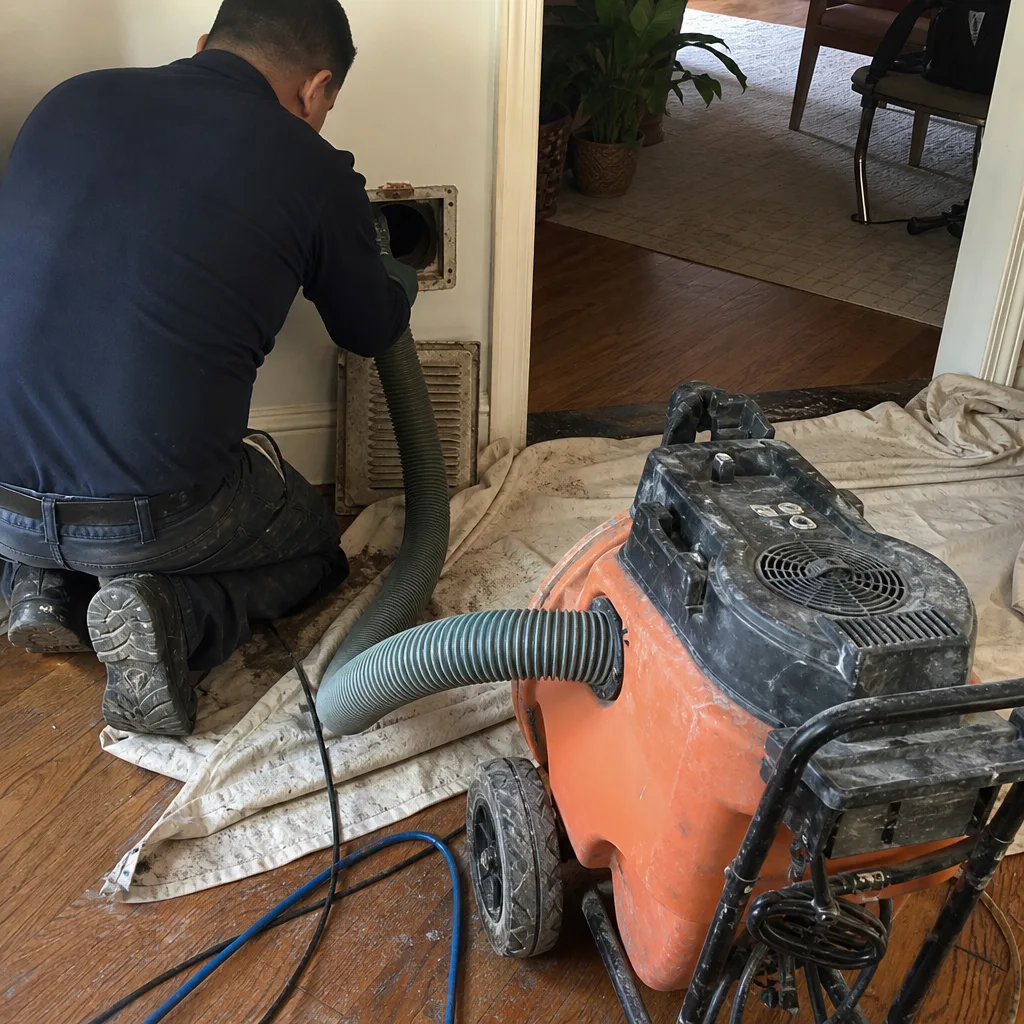 Before
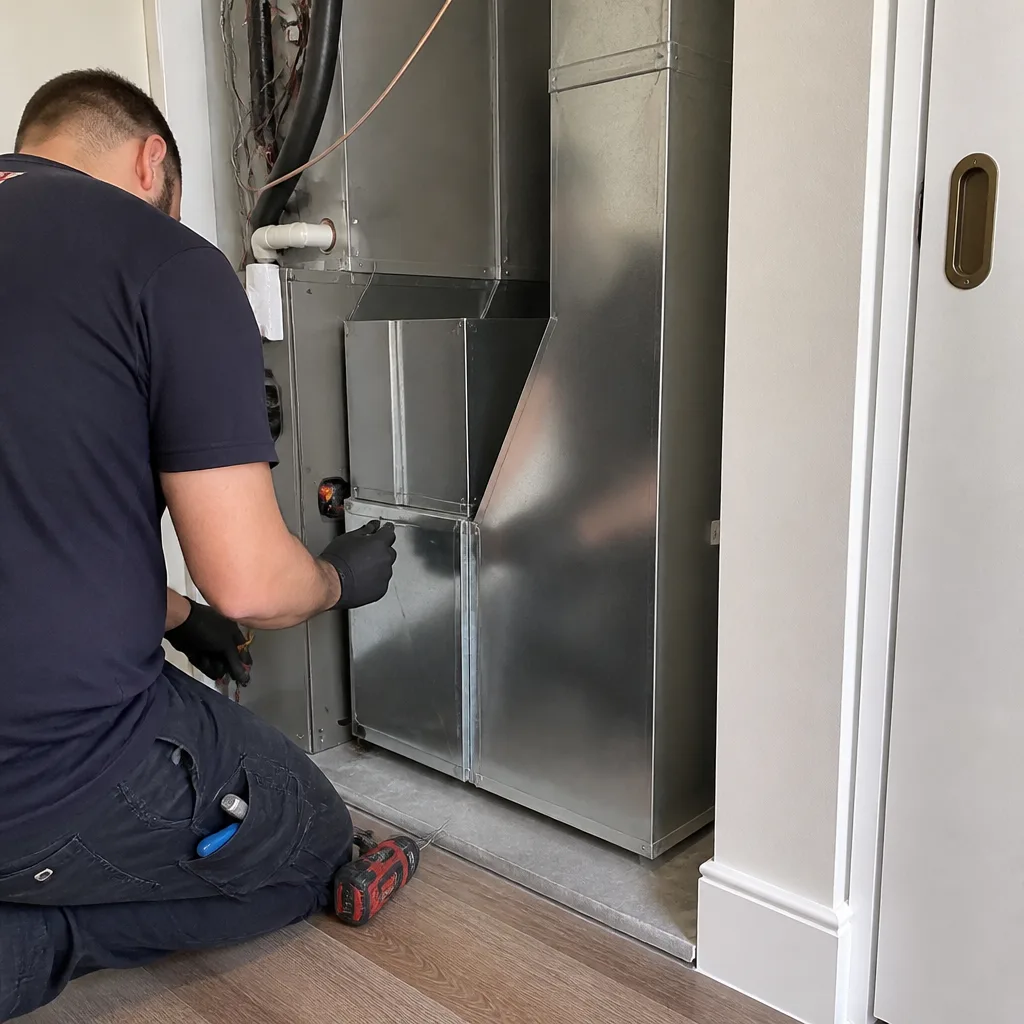 After
After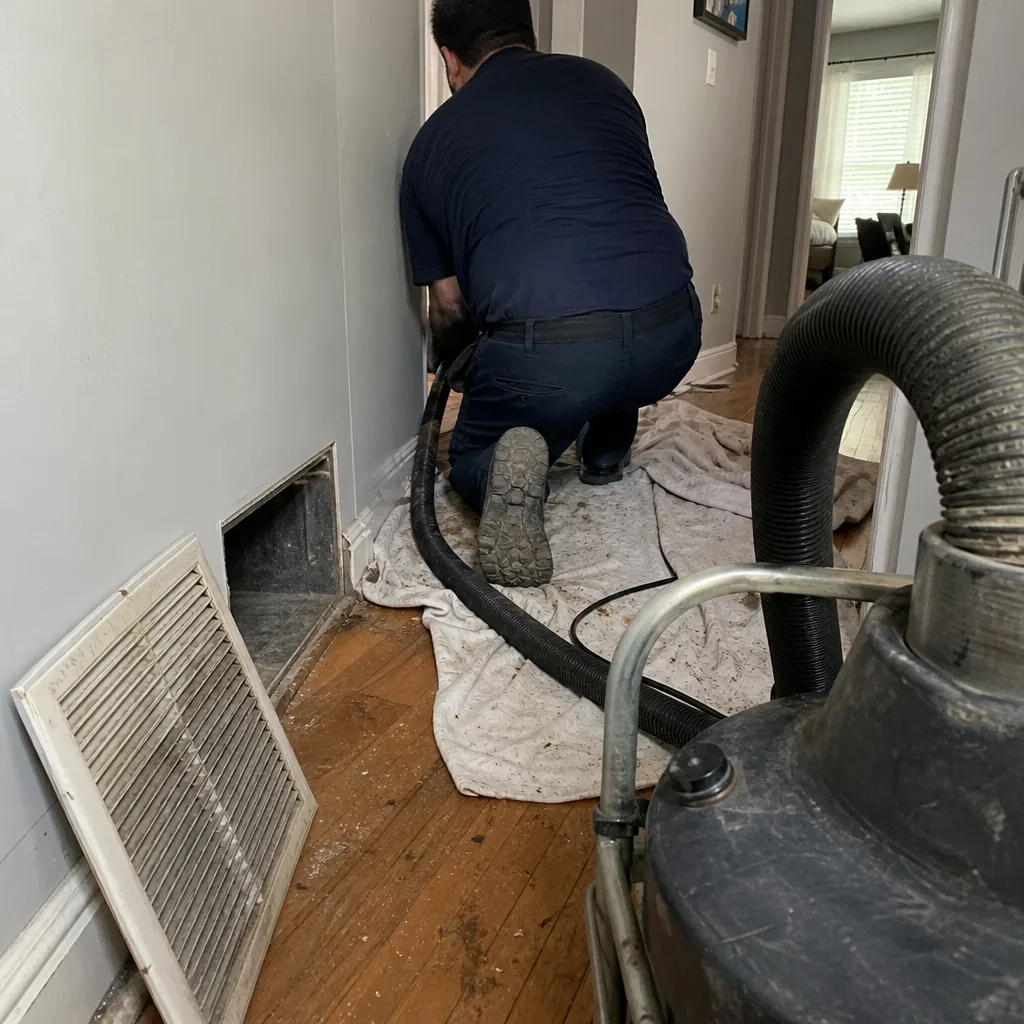 Before
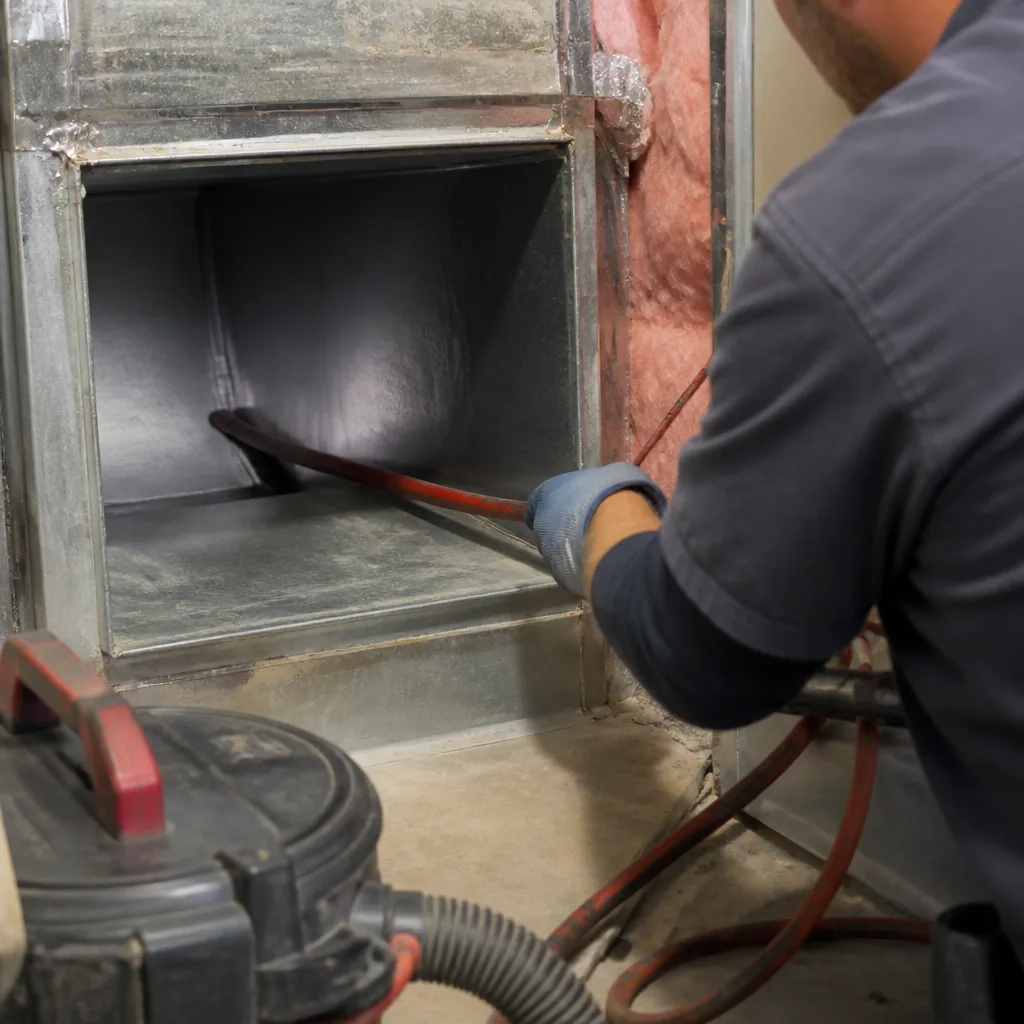 After
After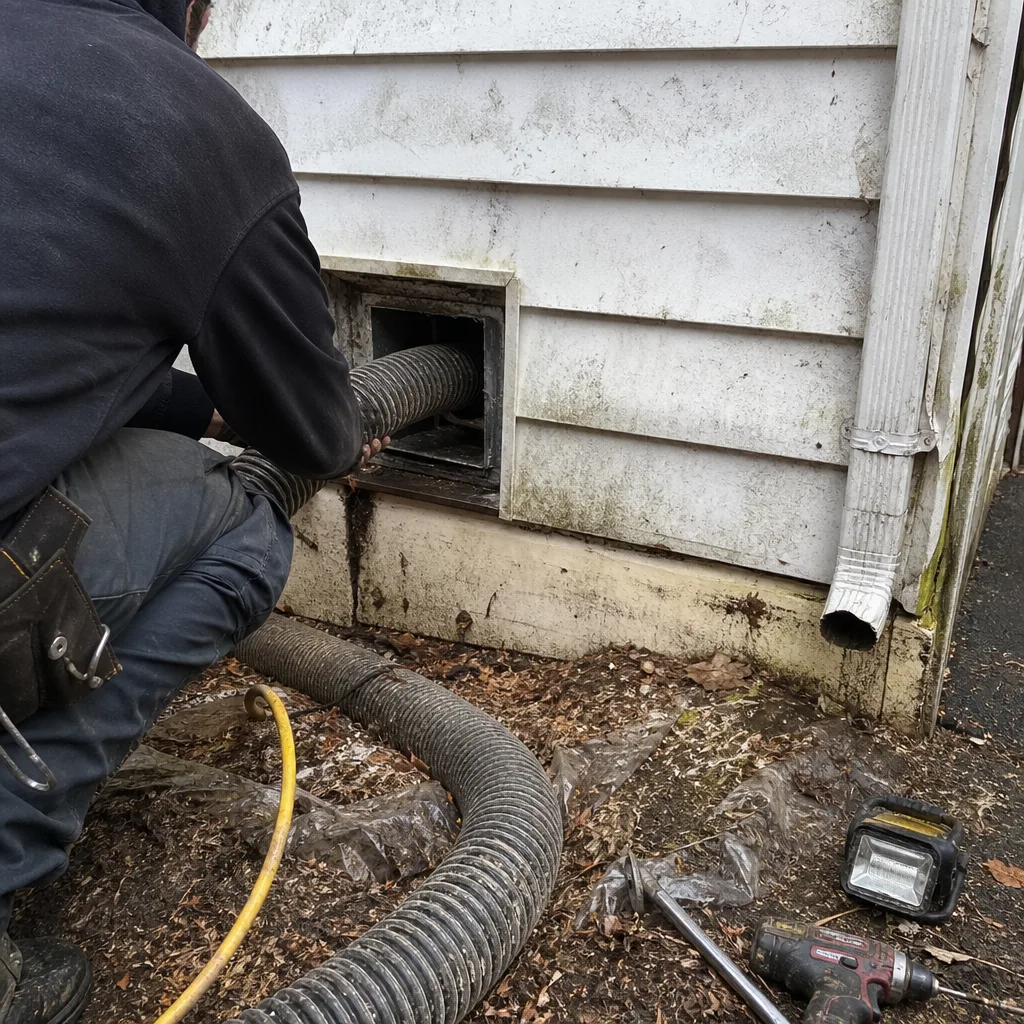 Before
 After
AfterWhen to Call a Professional
You should call a professional when you see visible dust buildup on vents and registers, when you notice dust returning to surfaces quickly after cleaning, when your energy bills creep up without an obvious explanation, or when you buy a home in New York and have no idea when the ducts were last cleaned. If you can’t remember the last cleaning, that’s the answer. A professional evaluation will tell you whether the system actually needs work or whether it can wait. Kestrel Air Duct New York offers free Air Duct Cleaning services estimates in New York, and we’re led by Dale Whitmore, who’s been running this operation under the Kingswell Guarantee since 2004. Call (585) 517-2324 for a written price before anyone touches a vent.
Frequently Asked Questions
Most single-family homes in New York run between $450 and $900 for a full-system cleaning, with the price determined by the number of vents, the number of returns, and whether the home has one system or two. Multi-story homes with multiple zones or older buildings with complex duct layouts run higher. Call (585) 517-2324 for an exact written quote for your home; estimates are free and the price is fixed before work begins.
Cheap quotes usually mean one of three things: the scope doesn’t include the full system, the company is using low-end equipment that can’t do source-removal cleaning, or the price is a teaser that will be revised once the technician is in your home. A legitimate full-system cleaning requires commercial-grade equipment and time, and that has a floor cost. Anyone quoting significantly under the market rate in New York is planning to make up the difference somewhere.
Demand before-and-after photos of the duct interior at multiple points, not just the main trunk line near the access panel. A legitimate contractor using negative-air extraction and rotary brush agitation will gladly show you the difference. If the technician can’t or won’t provide photos, that’s your answer. Call (585) 517-2324 for a cleaning where before-and-after documentation is standard practice.
Most homes in New York need a duct cleaning every three to five years, depending on pets, smoking, renovations, and the age of the building, though our Seasonal Air Duct Cleaning Care for New York: Year-Round Homeowner’s Guide has a full schedule. Prewar and older homes with decades of accumulated debris may need a first cleaning sooner. If you’ve just completed a renovation, clean the ducts afterward regardless of the schedule, because construction dust will have entered the system.
Refuse the job. You have a written quote. The contractor is counting on the fact that you’ll feel awkward saying no once the equipment is in your hallway. Walk away. The price revision is the tactic, and it only works if you accept it. Then report the company to the New York Department of Consumer and Worker Protection. Call (585) 517-2324 for a written price that doesn’t change at the door.
A small deposit of 10 to 20 percent is normal for larger jobs and secures the appointment slot. Some companies, including Kestrel, don’t require a deposit for a standard residential cleaning. Whatever the policy, it should appear in writing on the quote. Never pay a deposit in cash, and never pay more than 20 percent upfront.
The Bottom Line
Hiring an air duct cleaning contractor in New York is a paper-trail process, not a gut-feel process. You need a written quote with line-item scope and a total dollar amount before the technician arrives. You need to verify the business registration, the insurance certificate, and any certifications yourself. You need to recognize the New York-specific red flags: out-of-state phone numbers, missing physical addresses, arrival windows that are really just days. And you need a guarantee in writing that says what it covers, how to invoke it, and what the company will do when you do. If a contractor won’t provide all of that, the next one will. The market in New York is big enough that you never have to accept less. For more guides & resources, see our blog.
Written by Dale Whitmore, Owner at Kestrel Air Duct New York, serving New York since 2004.