
Last updated October 15, 2026
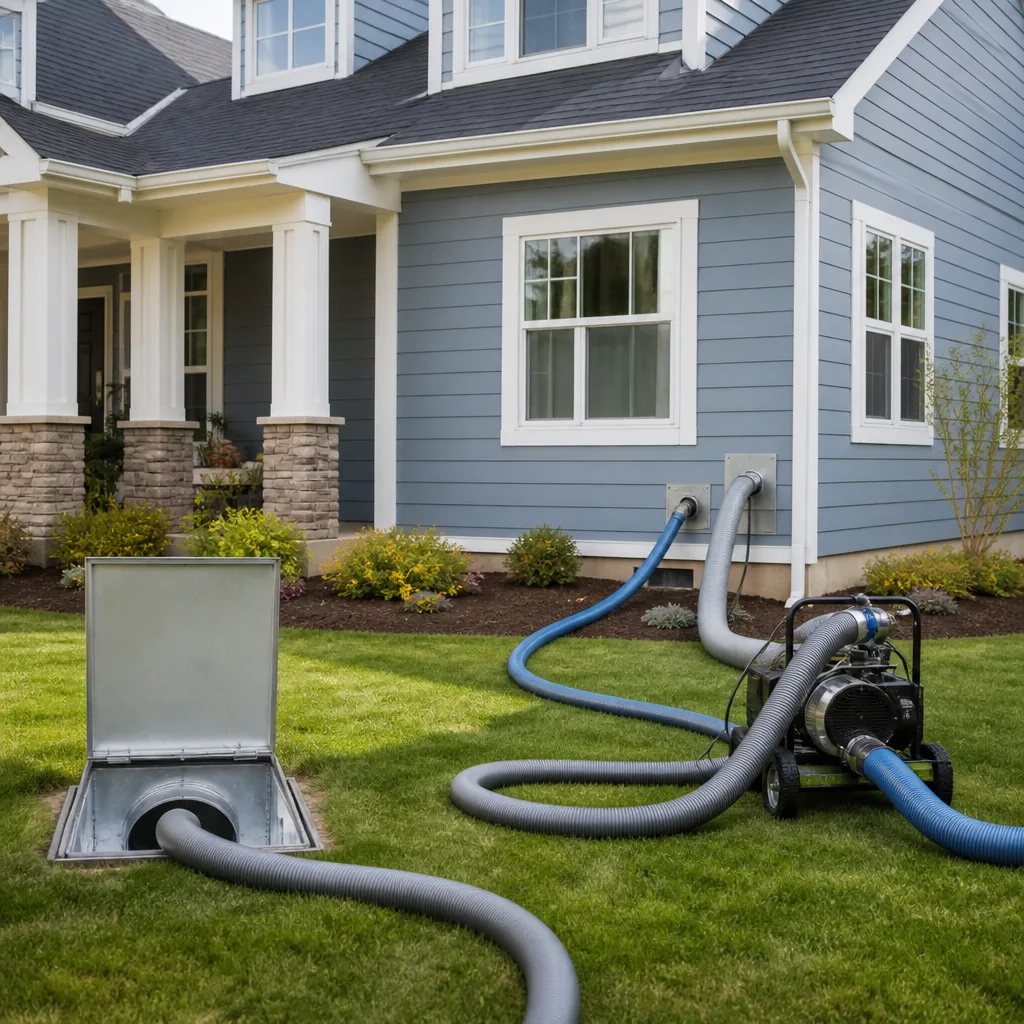 Whole-home duct cleaning
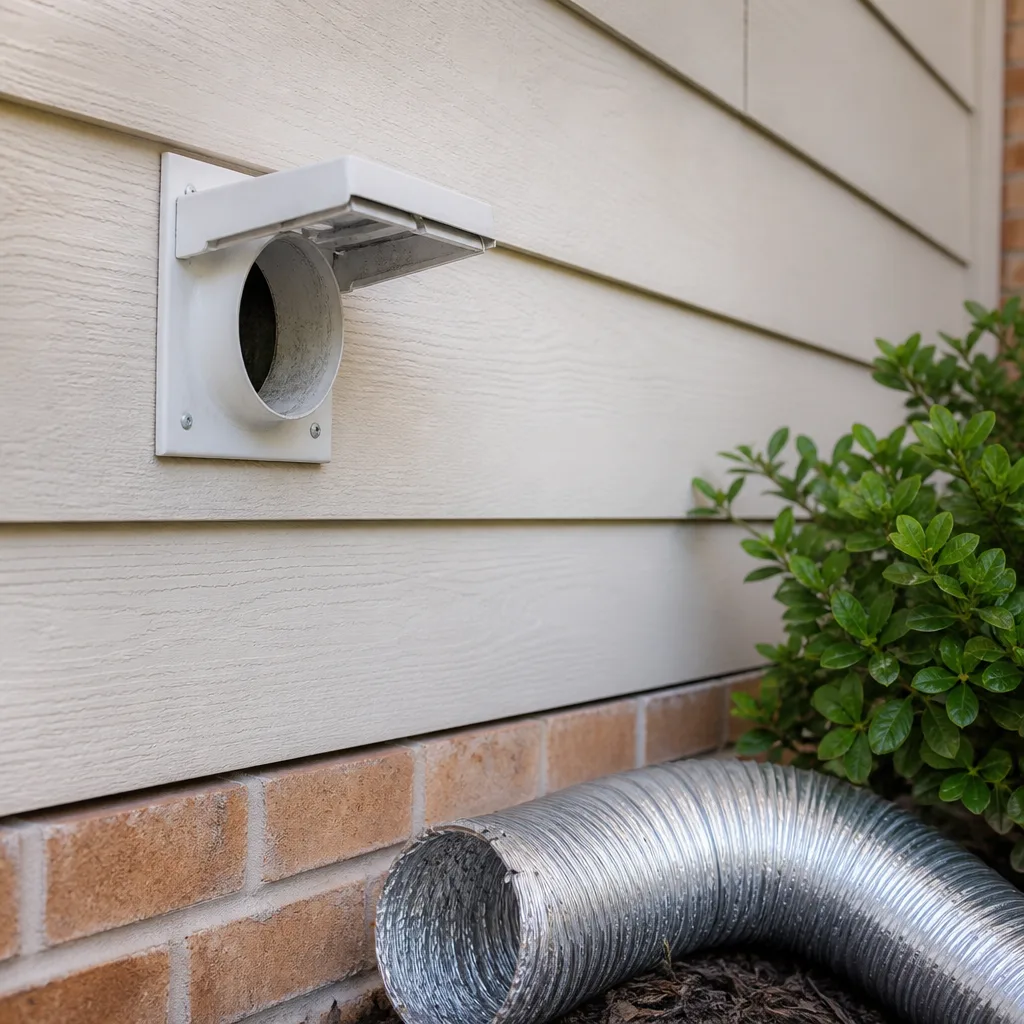 Dryer vent cleaning
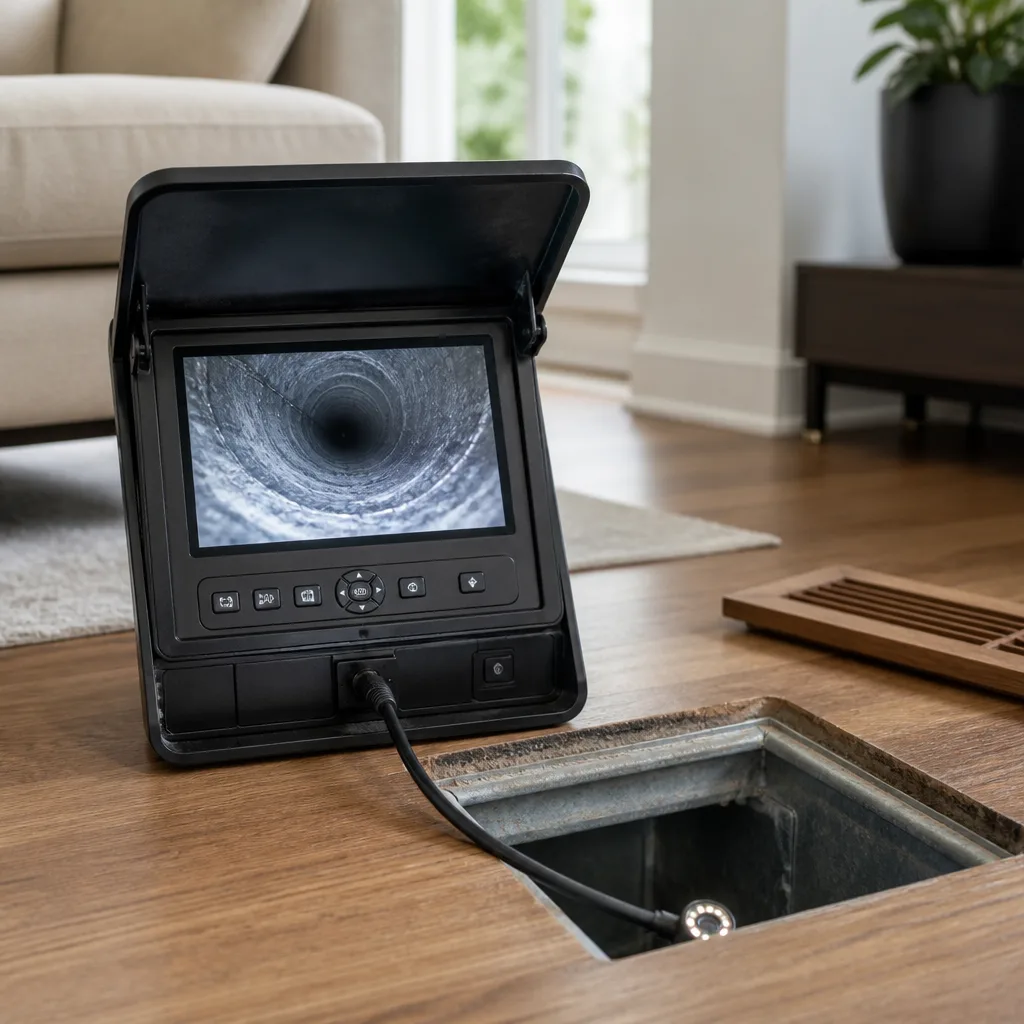 Camera inspection
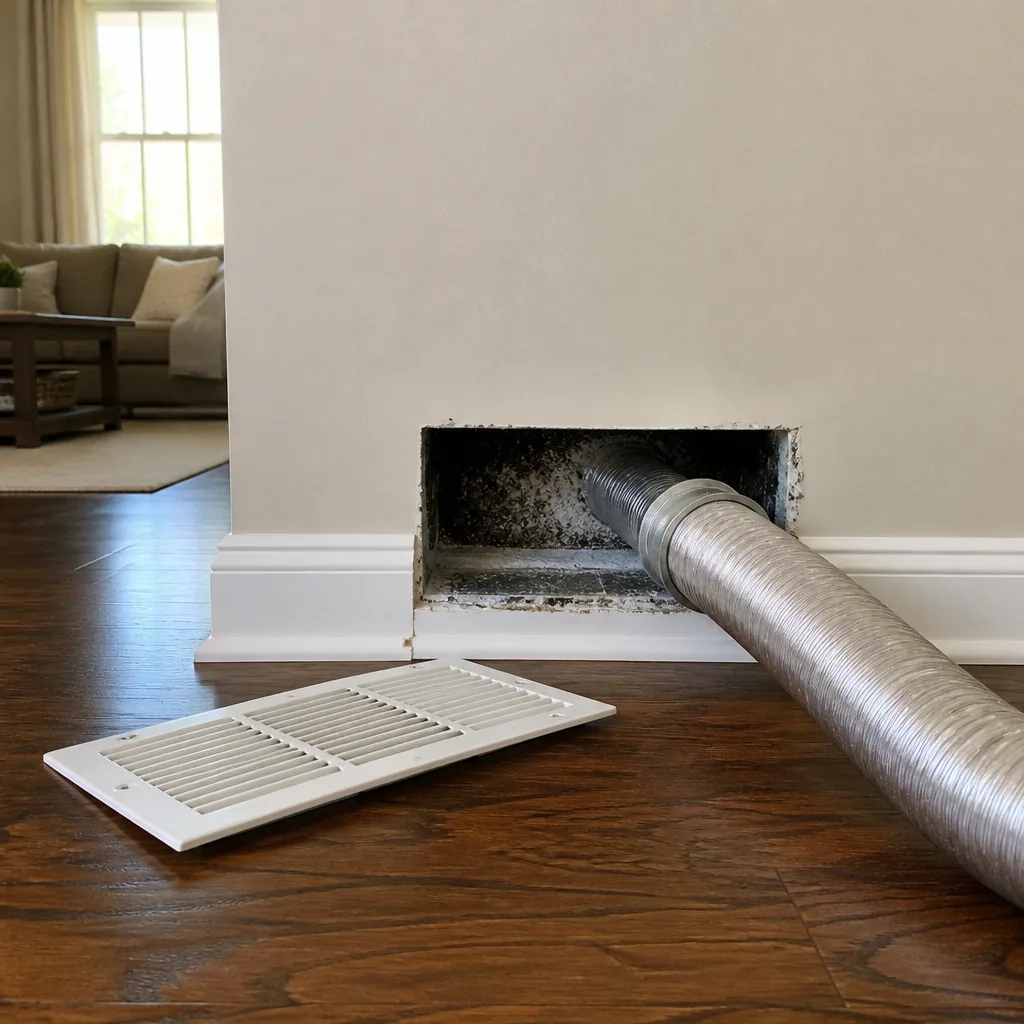 Sanitizing & deodorizing
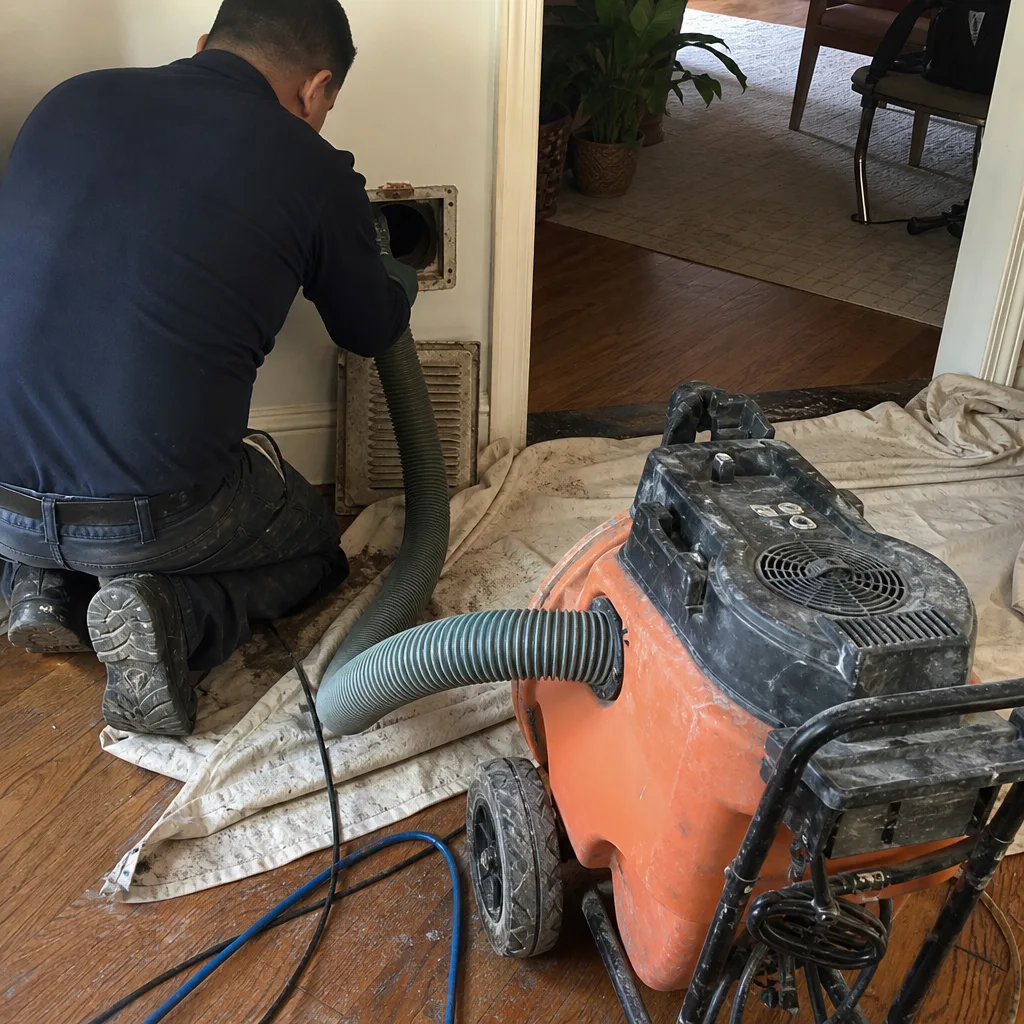
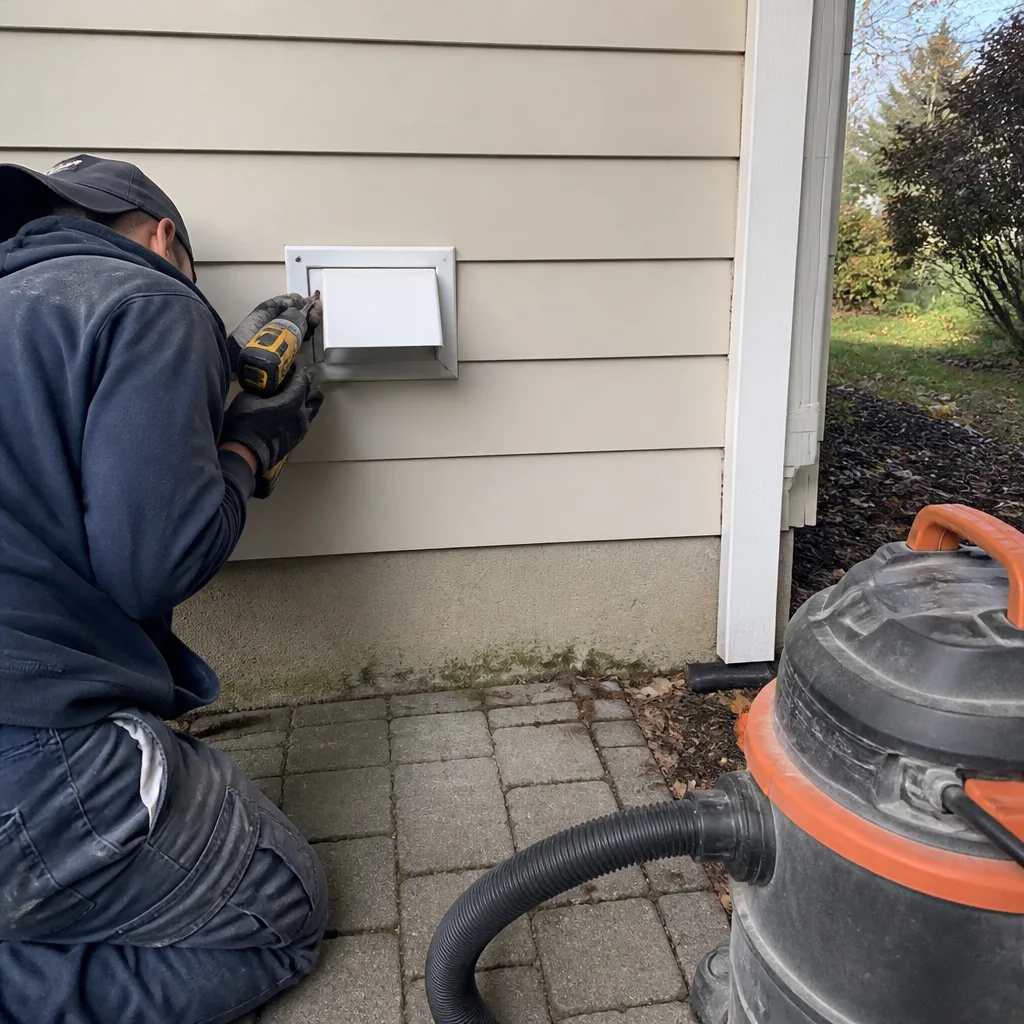
Whole-system duct and dryer vent check with before-and-after photos - you see exactly what came out of your vents
That "$99 whole-house special" is a bait ad - the real number appears once they are in your hallway, or the "clean" is a shop-vac at the register. We photograph the inside of your ducts before and after instead.
Air Duct Cleaning Permits, Codes & Inspections in NY: What You Need to Know
A contractor who tells you “duct cleaning never needs a permit” is technically right, and that is exactly why the statement is dangerous. Here’s the distinction most New York homeowners miss: the cleaning part is almost always exempt from permit requirements, but the repair work that often follows, like fixing a disconnected trunk line or replacing crushed flex duct, can cross into regulated alteration territory under the New York City Building Code. If a technician fixes that damage on the spot without pulling a permit, the repair is now unpermitted work inside your wall or ceiling. This guide draws the line clearly so you know what’s maintenance, what’s construction, and how to protect yourself before the van pulls up. For a deeper dive, see The Complete Guide to Air Duct Cleaning in New York.
Quick Answer
Air duct cleaning itself does not require a permit anywhere in New York State, including New York City, because it’s classified as routine maintenance rather than construction. However, any repair or replacement of ductwork, such as reconnecting a separated trunk line, replacing damaged flex duct, or installing new runs, typically falls under NYC Building Code alteration rules and may require a permit, especially in multi-family buildings. The practical rule: cleaning is fine, but if the technician starts fixing ductwork, ask whether that specific repair is permitted work before they proceed.
Styles & brands we work with
Table of Contents
- The Permit Landscape: What New York Actually Requires
- Where the NYC Building Code Draws the Line
- How to Use DOB NOW to Check a Contractor’s Work History
- NYCHA, HPD, and the Landlord Obligation Question
- Co-op and Condo Proprietary Lease Clauses You Need to Read
- The Questions to Ask Any Duct Cleaning Contractor Before They Start
- What a Legitimate Duct Cleaning Job Should Include in New York
- Insurance, Bonding, and Verification: The Paperwork That Backs the Work
The Permit Landscape: What New York Actually Requires
New York does not have a statewide permit that governs air duct cleaning. The New York State Department of Labor, which licenses certain trades like asbestos abatement and crane operation, does not issue a duct cleaning license, and no municipality in the state requires a permit for the act of cleaning ducts. That’s the simple part.
The complexity starts with the New York City Building Code, specifically Chapter 1, which governs administration and enforcement, and the mechanical code provisions in Chapter 28. Under these rules, “maintenance” is defined as work that keeps equipment in its existing condition, while an “alteration” is any change, addition, or modification to a building system. Cleaning a duct is maintenance. Replacing a section of duct, reconnecting a separated joint, or installing a new branch line is an alteration. In a city where many buildings are multi-family and subject to additional Department of Buildings scrutiny, that distinction carries real legal weight.
Most suburban and mid-size city homeowners in places like Westchester, Rockland, Long Island, and upstate New York will rarely encounter permit requirements for duct work done inside a single-family home. Local code enforcement offices generally follow the state’s Residential Code, which treats minor duct repair within an existing system as exempt from permit requirements. But the moment the work involves structural changes, new duct runs, or modifications to fire-rated assemblies, the local building department can and often does require a permit.
Here’s what that means practically:
- Routine cleaning: No permit required anywhere in New York. This includes brush agitation, negative-air extraction, and sanitizing treatments.
- Minor repairs in a single-family home: Usually no permit, but local rules vary. Reattaching a loose register or sealing a small gap with mastic is typically considered maintenance.
- Duct replacement or new runs in any building: This can require a permit, especially in New York City, where DOB oversight is more aggressive.
- Any work in a multi-family building: Higher scrutiny. Even if a permit is not strictly required for a small repair, the building owner or managing agent may have internal requirements.
- Work touching fire-rated assemblies: If ducts penetrate fire-rated walls or floors and the work involves those penetrations, a permit and possibly a fire-stopping inspection is mandatory.
In our experience serving New York homeowners since 2004 under the Kingswell Guarantee, the confusion almost always comes down to that one scenario: a technician finds a problem during our Air Duct Cleaning services and fixes it without documenting whether the fix crossed the maintenance-to-alteration line. The cleaning is legitimate. The repair may not be. Knowing the difference before the work begins is what protects you.
Where the NYC Building Code Draws the Line
The New York City Building Code does not have a single section labeled “duct cleaning.” Instead, the relevant rules are spread across the administrative and mechanical chapters, which is why so much confusion exists. The key concept is the definition of “alteration” in Chapter 2 and the permit requirements in Chapter 1, Section 105.
Section 105.2 lists work exempt from permit requirements. That exemption list includes “ordinary repairs,” defined as work that does not affect the structure, egress, fire protection systems, or the health and safety of occupants. Cleaning a duct fits squarely in that exemption. An example the code itself uses is painting and wallpapering, but the principle applies to any maintenance that restores something to its prior condition without changing it.
The line gets crossed when work is no longer “ordinary.” Here are the specific triggers in New York City:
- Replacing a section of ductwork: This is no longer maintenance. You are changing the physical system, which makes it an alteration. In a one- or two-family home, this may still be exempt under the “minor alterations” provision, but in a larger building, a DOB permit is typically required.
- Reconnecting a separated trunk line or branch duct: Technically a repair, but if the separation was caused by structural movement or water damage, the underlying issue may require a licensed contractor to evaluate the entire system. The reconnection itself may be simple, but the cause may not be.
- Replacing a duct liner or internal insulation: This changes the material inside the duct system. In New York City, if the building is subject to the energy code or fire code, liner replacement can trigger a permit and an inspection.
- Installing a new duct run or branch line: This is new construction of a mechanical system component. Permits are required in New York City and in most suburban jurisdictions with an active code enforcement office.
- Modifying ducts within a fire-rated assembly: Any duct penetration through a fire-rated wall, floor, or shaft is subject to fire-stopping requirements. Touching that penetration, even during cleaning, can require a fire-stop inspection if the material is disturbed.
The New York City Department of Buildings also has a concept called a “stop work order” and “violations” that can attach to an address. If unpermitted work is discovered during a DOB inspection, the violation lands on the property owner, not the contractor who did the work. That’s a key point: you can’t transfer a DOB violation to the person who caused it. It’s your address, your problem.
So the practical guidance is this: if a duct cleaning technician in New York says they found damage that requires repair, ask them to stop and explain exactly what they’re proposing. Cleaning is exempt. Repair work that goes beyond ordinary maintenance may not be. You want that conversation to happen before the work, not after.
How to Use DOB NOW to Check a Contractor’s Work History
New York City has a public portal called DOB NOW that lets any homeowner search building records by address. If you live in one of the five boroughs, you can look up any address, including your own, and see permits issued, open violations, complaints, and stop work orders. This tool exists for a reason, and it’s underused by homeowners hiring any contractor, including duct cleaners.
Here’s how it works in practice:
- Go to the DOB NOW website: The public portal is free and does not require an account for basic searches.
- Enter your address: Search by house number and street name in the appropriate borough.
- Review the “Permits” tab: This shows every DOB permit ever issued for your address, including type, date, and status. If a contractor claims they pulled a permit for duct repair, you should see it here within a few days of filing.
- Check the “Violations” tab: This lists open and resolved violations. An open violation can block a sale or refinance, and it can indicate unpermitted work was done by a previous contractor.
- Review the “Complaints” tab: This shows any complaints filed against the property, including those filed by DOB inspectors who may have observed unpermitted work in progress.
This process takes five minutes. Run it before you hire a duct cleaning company, especially if the job may include repairs. If the contractor says they’ll pull a permit, ask for the DOB NOW application number. If they can’t produce one, they haven’t filed.
One caveat: DOB NOW covers New York City only. Suburban and upstate New York homeowners should check with their local building department, most of which have online permit lookup portals or will answer a phone call. The principle is the same: verify before you trust a verbal claim.
NYCHA, HPD, and the Landlord Obligation Question
Tenants in New York City Housing Authority buildings and in buildings overseen by the Department of Housing Preservation and Development face a different set of rules. The question tenants most often ask is: can I hire someone to clean the ducts in my apartment, and is the landlord required to do it?
Under the New York City Housing Maintenance Code, landlords are responsible for maintaining building systems, including ventilation, in habitable condition. The code requires that ventilation systems work properly, but it does not specifically require periodic duct cleaning. HPD’s enforcement focuses on whether vents are functioning, not whether they’re clean. That means a landlord is unlikely to be cited for dirty ducts unless the dirt is so severe that it blocks airflow or creates a health hazard.
For NYCHA tenants, the situation is similar but more procedurally rigid. NYCHA manages its own maintenance requests through a ticketing system, and residents cannot typically hire outside contractors to work inside building duct systems. The ductwork in a NYCHA building is shared infrastructure. Cleaning it without NYCHA’s involvement is not just a permit issue; it’s a building access issue. Any work inside the walls or shafts requires NYCHA authorization.
For private rental tenants in New York City, the practical reality is this:
- You can hire a duct cleaner for your own apartment’s accessible vents and registers, but that usually means the return and supply registers in your unit, not the main trunk lines.
- Work on shared ductwork, risers, or building shafts requires the landlord’s permission, and in many cases, the landlord’s contractor must do the work because it’s part of the building system.
- If you have a chronic ventilation problem, document it in writing to the landlord. That creates a paper trail if you need to file an HPD complaint about a ventilation deficiency.
- HPD complaints about ventilation can trigger an inspection, but the inspector will check for airflow, not dust levels. The standard is function, not cleanliness.
The takeaway for tenants: don’t assume you can hire any company to clean the ducts in a rental apartment in New York. If the work requires access to shared systems, it’s the landlord’s call. If it’s your own unit’s registers, you have more latitude, but you should still check your lease first.
Co-op and Condo Proprietary Lease Clauses You Need to Read
New York City has one of the largest concentrations of co-op and condominium buildings in the country. If you own an apartment in a co-op or condo, your proprietary lease or declaration may have clauses that require board approval for work that touches shared building systems, even if the work is just cleaning.
A co-op proprietary lease typically states that the shareholder owns the shares and has the right to occupy the unit, but the walls, floors, and building systems belong to the corporation. Ductwork that runs through the walls or between floors is almost always a building system. Cleaning the accessible part of the duct inside your unit is generally considered unit-level maintenance. But here’s where it gets tricky: if the duct runs through a wall cavity, or if the return air pulls from a shared corridor, or if the duct is part of a riser that serves multiple units, the board may consider any work on that duct to be building work requiring approval.
Condominium declarations are similar but often more explicit. Some condo declarations specifically require written notice to the board before any contractor enters the building to perform work, even maintenance work. The board may require a certificate of insurance naming the building as an additional insured, which a legitimate New York duct cleaning company should be able to provide.
The questions to ask your board or managing agent before booking a duct cleaning:
- Do I need written approval to have my unit’s ducts cleaned?
- Does the building require a certificate of insurance from the contractor before work begins?
- Does the work involve any shared duct runs, risers, or building system components?
- Is there a building-wide duct cleaning schedule that I should coordinate with?
- If the contractor finds damage that requires repair, who authorizes that repair: me or the board?
Many buildings in New York will have already dealt with this issue because duct cleaning has become more common over the last decade. The board may have a list of approved vendors or a standard insurance threshold. Check first. You don’t want to book a cleaning and then find yourself explaining to your board why an unapproved contractor was working inside the building walls.
The Questions to Ask Any Duct Cleaning Contractor Before They Start
Since the permit issue hinges on what happens when a technician finds damage during cleaning, the smartest thing you can do is ask the contractor about their process before you ever schedule the appointment. Not sure what to look for? Read our Air Duct Cleaning Warning Signs: A New York Homeowner’s Reference Guide. In our experience serving New York homeowners since 2004, the answer to this question tells you more about the company than a hundred online reviews.
Here’s the specific question to ask, word for word:
“If you find damage during cleaning that needs repair, what’s your permit process?”
A trustworthy answer sounds something like this: “If we find damage, we stop work, show you what we found, explain the repair, and tell you whether a permit is required. If a permit is required, we’ll tell you who to call and what the process looks like. We won’t do unpermitted work.”
An untrustworthy answer sounds something like this: “We can fix that on the spot, don’t worry about permits, we do this all the time, it’s fine.”
That second answer is the one that gets you an open DOB violation in New York City or a local code enforcement issue in the suburbs. The contractor leaves, and the problem is yours.
Here’s the full list of questions worth asking any New York duct cleaning company before you book:
- What’s your permit process if you find damage during cleaning? They should have a clear answer. If they hesitate or wave it off, that’s a red flag.
- Is your price a flat rate per system, or per vent? The flat rate is the honest model. Per-vent pricing invites bait-and-switch math.
- Do you provide a written price before work begins? The answer should be yes. No exceptions. Ever.
- What equipment do you use? Professional tools like Rotobrush rotary brush systems and Nikro negative-pressure units should be named. A shop vac is not duct cleaning equipment.
- Are your technicians background-checked and uniformed? Any legitimate company can answer this without hesitation.
- Do you provide before-and-after photos of my ducts? This is the single best way to verify the work was actually done. If they won’t do it, ask why.
- What’s your guarantee, in writing? Look for a specific promise. At Kestrel Air Duct New York, we put the 365-Day Done Right Promise in writing on every job: if the work falls short within the guarantee period, we return and make it right at no charge.
These questions take five minutes to ask and can save you from a $2,000 unpermitted repair problem or a bait-and-switch that doubles your invoice at the door. For more guides & resources, visit our blog.
What a Legitimate Duct Cleaning Job Should Include in New York
Permit concerns aside, a properly executed duct cleaning follows a clear process. Knowing what that process looks like helps you evaluate whether the company you hired actually did the job. This is the standard we apply to every Air Duct Cleaning in New York job under the Kingswell Guarantee, and it’s a good benchmark for any New York homeowner.
A complete duct cleaning includes these steps:
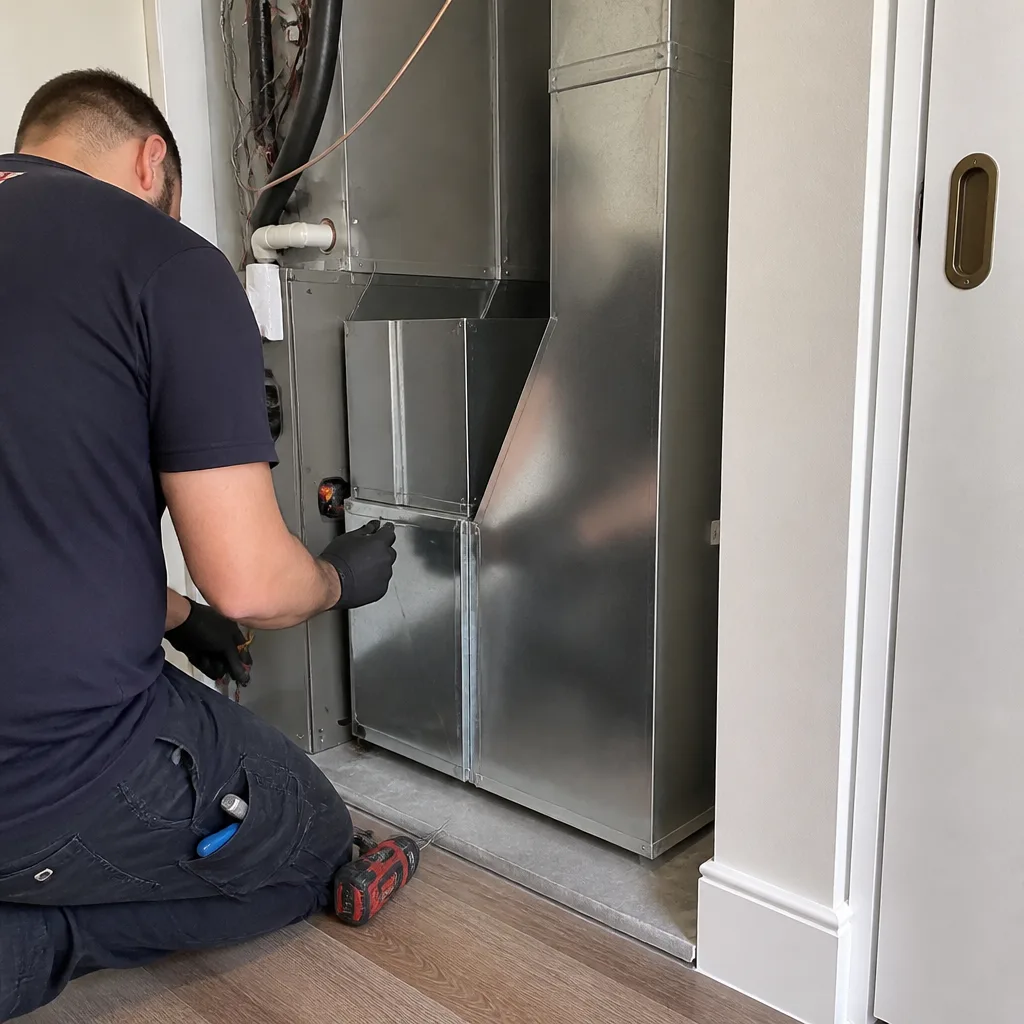
- Inspection first: The technician should inspect the system before cleaning, not after. They should look inside the return and supply ducts, check the filter, and identify any obvious damage. If they don’t inspect first, they’re guessing.
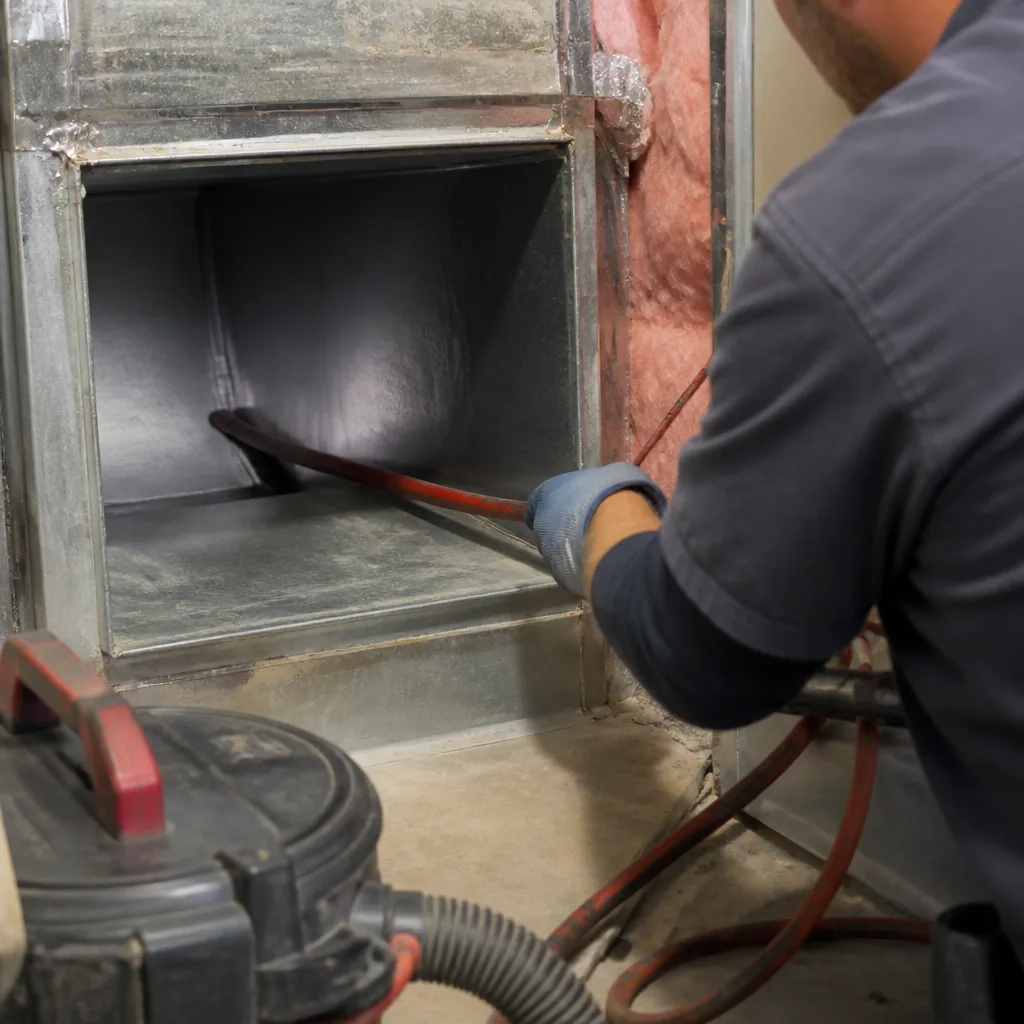
- Brush agitation: A rotary brush system physically contacts the duct walls to dislodge caked-on dust and debris. Rotobrush equipment does this, and the key word is “contact.” Airflow alone won’t remove debris that’s stuck to the duct surface.
- Negative-air extraction: A high-power vacuum creates negative pressure inside the duct system, pulling loosened debris out of the ducts rather than blowing it into your living space. Nikro negative-pressure units do this work, and it’s the reason professional results differ so much from a box-store alternative.
- HEPA filtration during extraction: When we run negative-pressure extraction, the exhausted air passes through HEPA filtration, which keeps loosened particles out of the living space. Abatement Technologies equipment handles this on our jobs.
- Register and grille cleaning: Every supply and return register should be removed and cleaned, not just wiped down from the outside. The register is where visible dust accumulates, and a proper job includes it.
- Before-and-after photos: This is non-negotiable. You should see the inside of your ducts before and after the work. If a company won’t provide photos, you have no way to verify the job was done.
- Filter check and replacement recommendation: The technician should check your filter and tell you whether it needs replacement. We recommend Aprilaire and Honeywell filtration products for New York homeowners who want to maintain clean air between service visits.
One note specifically for New York homeowners: many homes in the metro area have older duct systems with internal insulation that can degrade over time. If cleaning reveals damaged liner material, that’s a repair, not a cleaning issue. Refer back to the permit discussion above.
We also handle Dryer Vent Cleaning in New York, and the same principle applies there: cleaning the accessible vent is maintenance, but if the vent is damaged, disconnected, or improperly installed, the repair is a separate conversation with its own rules.
Insurance, Bonding, and Verification: The Paperwork That Backs the Work
New York does not require a specific license for air duct cleaning, and that’s a problem. Any person with a van and a shop vac can call themselves a duct cleaner, quote a low price, and disappear after the job. The absence of a licensing requirement means the burden of verification falls on you.
Here’s what to verify before you book:
- General liability insurance: Any legitimate duct cleaning company carries liability coverage. Ask for a certificate of insurance and call the carrier to verify it’s active. A real policy number can be verified in one phone call.
- Workers’ compensation coverage: If a technician is injured in your home and the company doesn’t carry workers’ comp, you may be liable for the claim. In New York, workers’ compensation carriers maintain a public verification database. Use it.
- Bonding: Bonding is less common than insurance, but some New York buildings and co-op boards require it. A bonded contractor has third-party financial backing if the work fails and you need to file a claim.
- Written guarantee in plain language: A real guarantee specifies what’s covered, how long the coverage lasts, and exactly what you need to do to invoke it. “Satisfaction guaranteed” is meaningless. “If the work is not done right within 365 days, we return and fix it at no charge, and this is in writing” is a real promise.
The Kingswell Way governs every job we do, and those values include a written price before work begins, a defined arrival window, a clean job site, and a written guarantee on the work. Those four promises are not optional add-ons. They’re the baseline. If another New York duct cleaning company won’t put the same four promises in writing, ask yourself what they’re leaving out.
Common Mistakes to Avoid
- Assuming “no permit required” means “no rules apply.” Cleaning may not require a permit in New York, but your building’s insurance policy, co-op lease, or landlord agreement may still have requirements. Check before you book.
- Letting a technician repair damage on the spot without a permit conversation. In New York City, unpermitted alterations can become open DOB violations that attach to your address and complicate a future sale. Stop the work and have the conversation first.
- Hiring based on the lowest per-vent price. Per-vent pricing is the bait in this industry. A “$29 per vent” quote can become a $1,200 invoice once the technician counts vents, adds “sanitizing,” or finds “necessary repairs.” Shop for a flat whole-system price in writing.
- Not asking for before-and-after photos. Without photos of the inside of your ducts, you’re taking the contractor’s word that the cleaning happened. Any reputable company will provide them.
- Skipping the DOB NOW address check in New York City. Five minutes of searching can tell you whether your address has open violations, unresolved complaints, or a stop work order you didn’t know about.
- Assuming your landlord will clean the ducts because you asked. The Housing Maintenance Code requires functioning ventilation, not clean ducts. Know the difference before you file a complaint or withhold rent.
- Verifying the quote but not the insurance. A low price from an uninsured contractor can cost you medical bills if a technician is injured in your home. Insurance verification takes one phone call. Make it.
See the difference
 Before
 After
After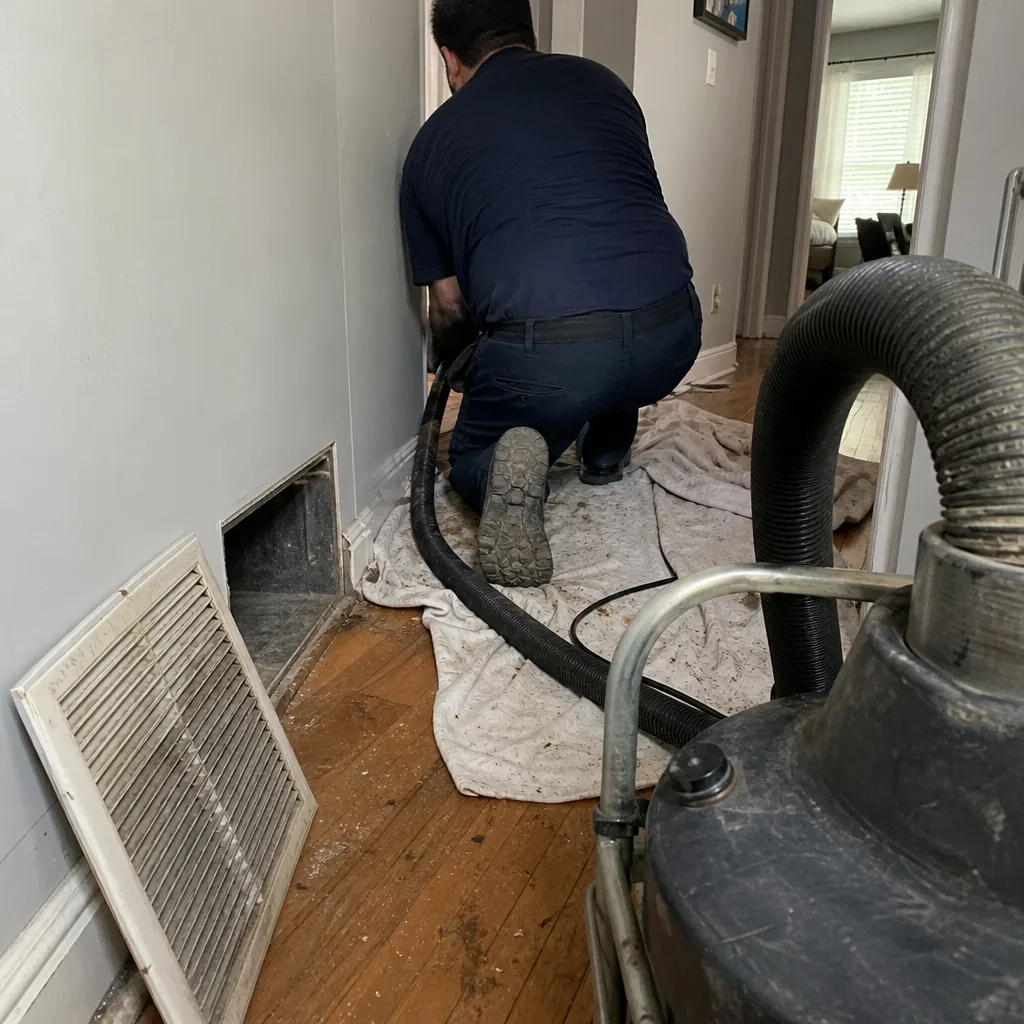 Before
 After
After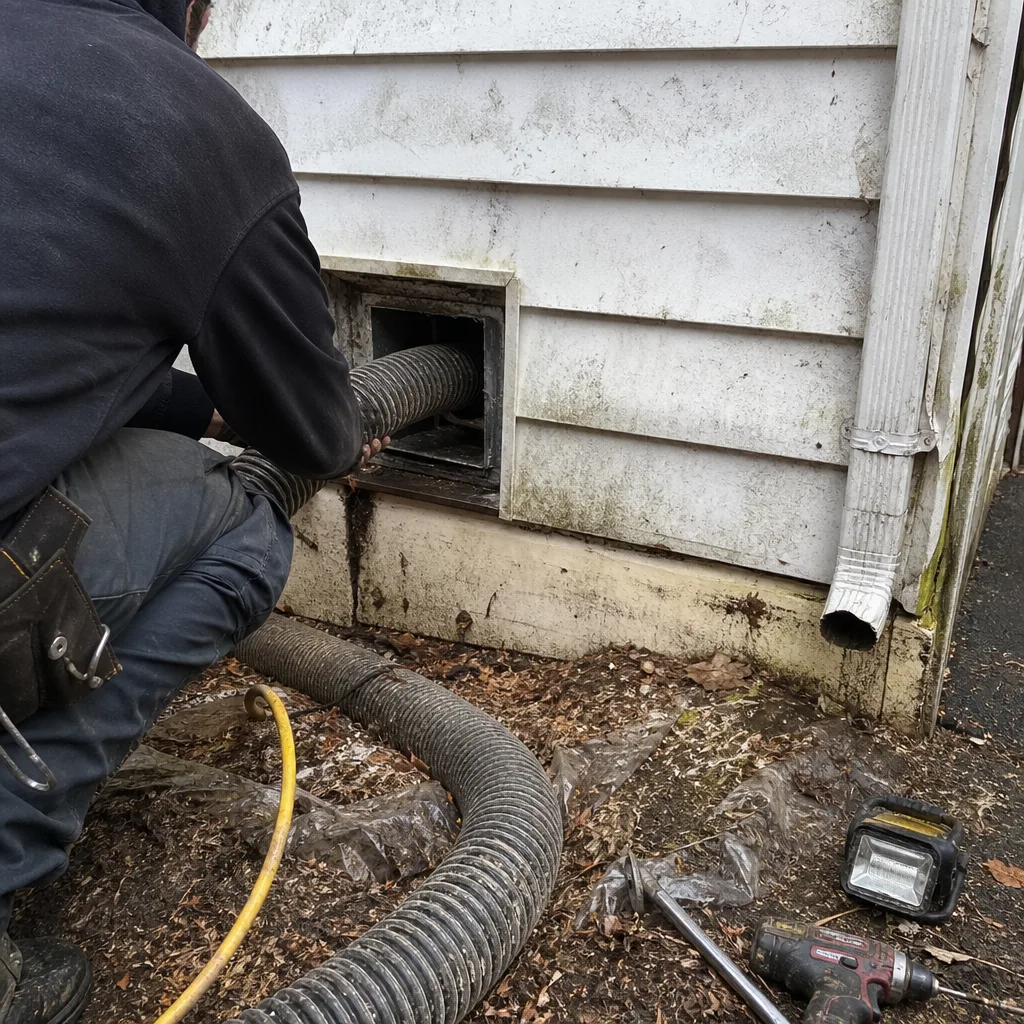 Before
 After
AfterWhen to Call a Professional
Duct cleaning is a scheduled maintenance job, and the right time to book is when you notice visible dust buildup on registers, a persistent musty smell from vents, unexplained dust accumulation on furniture despite regular cleaning, or reduced airflow from certain rooms. If your home had recent construction or renovation work, that’s another trigger. Construction dust gets pulled into return ducts and coats the entire system. If you’ve never had the ducts cleaned and the home is more than five years old, it’s worth having the system inspected. If a previous cleaning left you doubting whether the work was actually done, ask for before-and-after photos this time. Kestrel Air Duct New York home offers free estimates across New York. Call (585) 517-2324 and we’ll give you a written price before any work begins, with no obligation.
Frequently Asked Questions
No. Air duct cleaning is classified as routine maintenance under New York building codes and does not require a permit anywhere in the state, including New York City. However, if the cleaning reveals damage that requires repair or replacement, that repair work may be classified as an alteration and could require a permit, especially in multi-family buildings under DOB jurisdiction.
The relevant rules are in NYC Building Code Chapter 1, Section 105, which covers permit requirements and exemptions, and Chapter 28, which governs mechanical systems. The key distinction is between “ordinary repairs,” which are exempt from permits, and “alterations,” which are not. Replacing duct sections, installing new runs, or modifying ducts within fire-rated assemblies crosses the line into alteration territory. For an exact assessment of your situation, call a licensed mechanical contractor or the DOB borough office.
In New York City, use the DOB NOW public portal to search your address by house number and street. The permits, violations, and complaints tabs show the complete history of DOB activity at that address. In suburban and upstate New York, contact your local building department directly. Most maintain online lookup tools or will answer a phone call. If you’re unsure where to start, call (585) 517-2324 and we’ll point you in the right direction.
You can hire a duct cleaner for the accessible vents and registers inside your own apartment, but any work on shared ductwork, risers, or building shafts requires the landlord’s permission because those are building systems. In NYCHA buildings, outside contractors cannot typically perform work inside building duct infrastructure at all. Check your lease and talk to your landlord or managing agent before booking.
In New York, a full-system duct cleaning for a single-family home typically runs between $400 and $800, depending on the size of the home, the number of systems, and the level of contamination. Multi-family units and homes with extensive duct runs may run higher. The honest model is one flat price per system agreed before work starts, not a per-vent price that multiplies once the technician arrives. For an exact quote on your home, call (585) 517-2324. Estimates are free.
Ask for before-and-after photos of the inside of your ducts. Any legitimate duct cleaning company in New York will provide them, and they are the single best verification tool you have. You should also expect the technician to show you the debris collected during cleaning. If a company refuses photos or won’t show you what they removed, that’s a red flag. We document every job with photos and put our 365-Day Done Right Promise in writing.
Per-vent pricing is the industry’s most common bait-and-switch tactic. A company quotes a low per-vent price, then counts vents in a way that inflates the total, or adds fees for “sanitizing,” “deodorizing,” or “necessary repairs.” Whole-system pricing means one flat price for the entire duct system, agreed in writing before work begins. That’s the model we use at Kestrel Air Duct New York, and it’s the model you should insist on no matter who you hire.
The Bottom Line
Air duct cleaning in New York does not require a permit, but the repair work that often accompanies it can, and the line between maintenance and alteration is specific and enforceable. Know the difference before anyone starts working in your walls. Check your address in DOB NOW if you’re in New York City. Read your co-op or condo documents if you have them. Ask the contractor about their permit process before you book, and get the price in writing before the van pulls up. If a company can’t answer those questions clearly, call the one that can. Kestrel Air Duct New York has served New York homeowners under the Kingswell Guarantee since 2004, and every job includes a written price, a defined arrival window, a clean work site, and a written guarantee. Call (585) 517-2324 for a free estimate.
Written by Dale Whitmore, Owner at Kestrel Air Duct New York, serving New York since 2004.